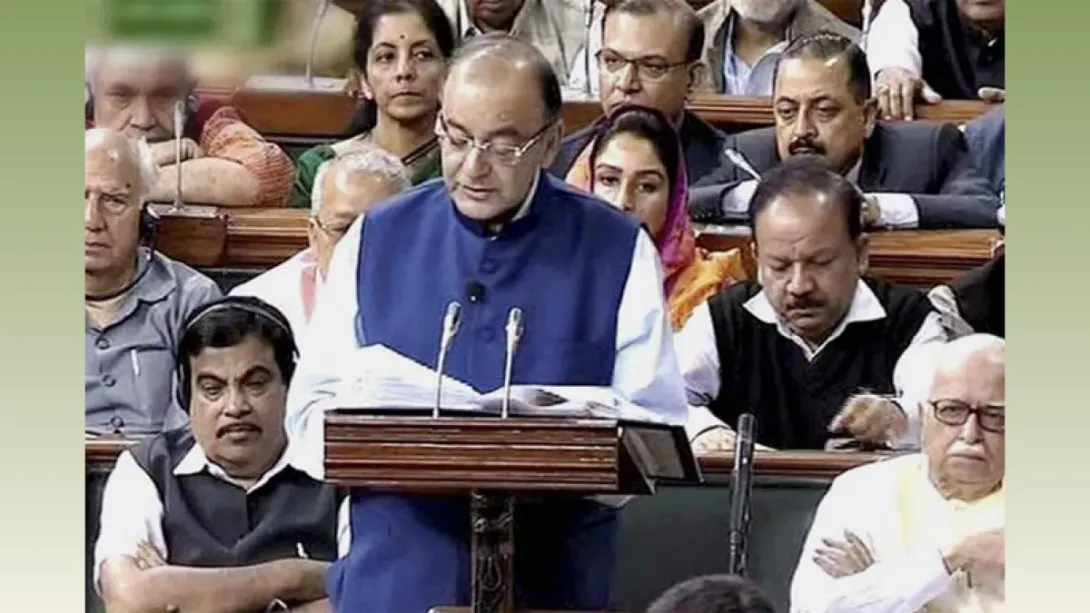
Nepal’s House of Representatives has approved the national budget of Rs. 1.964 trillion for the fiscal year 2025–26, marking a pivotal moment in the country’s economic roadmap. The Appropriation Bill, presented by Finance Minister Bishnu Prasad Paudel, received majority backing after comprehensive clause-by-clause deliberations. With the budget now cleared through a voice vote in Parliament, the government is set to implement its annual financial plan ahead of the new fiscal cycle starting mid-July. The move is expected to stimulate infrastructure development, address fiscal deficits, and signal policy continuity amidst evolving domestic and geopolitical dynamics.
Budget Approval Sets Fiscal Direction
In a decisive step toward implementing its economic blueprint, Nepal’s House of Representatives passed the Appropriation Bill for fiscal 2025–26, formally approving the government’s budget worth Rs. 1.964 trillion. The announcement was made by Speaker Devraj Ghimire, who confirmed that the motion had received majority support during a voice vote session in Parliament.
The endorsement came after lawmakers engaged in detailed, clause-by-clause discussions, scrutinizing various provisions of the budget before giving their final nod. As per Nepal’s legislative requirement, any fiscal bill must secure at least 238 votes in the 275-member House for passage.
Finance Minister Lays Down Economic Priorities
The budget was initially tabled last month by Finance Minister Bishnu Prasad Paudel. It outlines Nepal’s revenue and expenditure targets for the upcoming financial year, which begins in mid-July. The minister’s proposals aim to navigate persistent economic headwinds, including a growing fiscal deficit, trade imbalances, and slowing domestic investment.
While detailed allocations were not specified in the final vote summary, analysts expect the budget to prioritize infrastructure expansion, social welfare spending, employment generation, and measures to bolster domestic industries amid external uncertainties.
Parliamentary Process Reflects Democratic Consensus
The budget passage followed Nepal’s traditional legislative process, beginning with a formal tabling of the Appropriation Bill and followed by a multi-phase deliberation involving all parliamentary parties. Despite occasional political frictions, the ruling coalition succeeded in building enough consensus to move the fiscal agenda forward.
Observers viewed the relatively smooth passage as a positive signal of political stability—an essential factor for investor confidence and development financing in Nepal’s fragile economy.
Implications for Governance and Growth
The Rs. 1.964 trillion outlay represents more than a symbolic fiscal commitment; it is also a vehicle for economic recalibration. With global economic pressures—including interest rate volatility and regional trade dynamics—Nepal’s budget will play a key role in stimulating growth and strengthening macroeconomic resilience.
In particular, the budget’s swift approval positions the government to expedite projects tied to public infrastructure, hydropower, and employment programs. It also paves the way for potential fiscal reforms aimed at broadening the tax base and improving public financial management.
Looking Ahead: Implementation Is Key
With parliamentary approval secured, the focus now shifts to implementation. The effectiveness of the 2025–26 budget will depend on how efficiently government ministries and provincial authorities execute the programs outlined in the fiscal framework.
Given Nepal’s recurring challenges with underutilization of allocated funds and bureaucratic inertia, finance ministry officials are expected to emphasize stronger monitoring, performance audits, and transparent procurement systems in the months ahead.
Conclusion: A Step Toward Economic Stabilization
Nepal’s passage of the Rs. 1.964 trillion budget for FY 2025–26 reinforces its commitment to economic recovery and development. It signals readiness to mobilize state resources toward public welfare and infrastructure, while also maintaining fiscal discipline in a rapidly shifting regional and global environment. The onus now lies with the government to ensure timely and effective execution, turning legislative success into tangible economic progress.
Comments