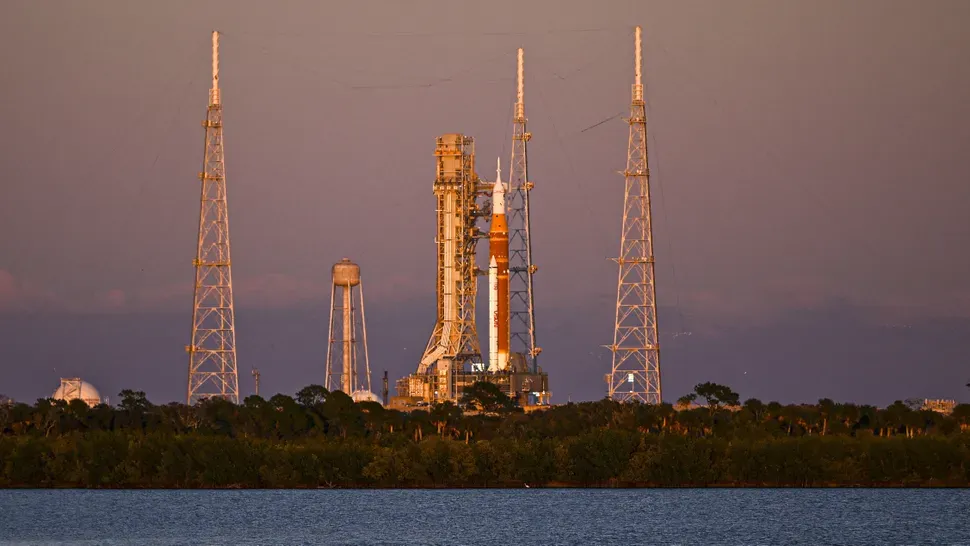
NASA’s Artemis II mission marks a pivotal step in human space exploration, as the agency prepares to launch its next-generation rocket carrying astronauts on a crewed lunar trajectory. Building on the uncrewed Artemis I success, Artemis II will test deep-space systems, life-support mechanisms, and navigation protocols while orbiting the Moon. Analysts highlight the mission’s strategic significance, from advancing lunar science to strengthening international partnerships and commercial aerospace engagement. With timelines, technological milestones, and safety protocols under scrutiny, Artemis II underscores NASA’s commitment to sustainable lunar exploration and the broader goal of establishing a human presence beyond Earth.
Mission Overview
Artemis II will carry a four-member astronaut crew aboard the Orion spacecraft, which will orbit the Moon before safely returning to Earth. The mission serves as a critical validation for spacecraft systems, communication networks, and deep-space navigation technologies essential for subsequent lunar surface missions.
Technological Innovations
The rocket integrates cutting-edge propulsion systems, thermal shielding, and autonomous navigation controls. Life-support and safety systems have been upgraded based on Artemis I findings, ensuring astronauts can endure extended lunar orbit operations. Analysts note that these advancements position NASA as a leader in long-duration human spaceflight technology.
Scientific and Strategic Objectives
Beyond testing human-rated systems, Artemis II enables scientific observations of the Moon’s environment, gravitational influences, and radiation exposure levels. The mission also reinforces NASA’s international collaborations, offering data-sharing opportunities with partner space agencies and private aerospace companies.
Commercial and Economic Implications
The Artemis program has catalyzed commercial partnerships, supply chain innovation, and aerospace market growth. Contractors supplying propulsion, avionics, and life-support systems stand to benefit from increased contracts, fostering technological innovation and high-value employment opportunities.
Public Engagement and Cultural Impact
The mission has captured global attention, inspiring educational initiatives, media coverage, and public outreach campaigns. Artemis II exemplifies the aspirational power of space exploration, combining scientific discovery, human achievement, and cultural inspiration.
Outlook
As Artemis II approaches launch, the mission represents a decisive milestone in NASA’s lunar roadmap. Success will validate critical technologies, advance human lunar exploration objectives, and pave the way for sustained extraterrestrial endeavors, reinforcing the United States’ leadership in space science and exploration.
Comments