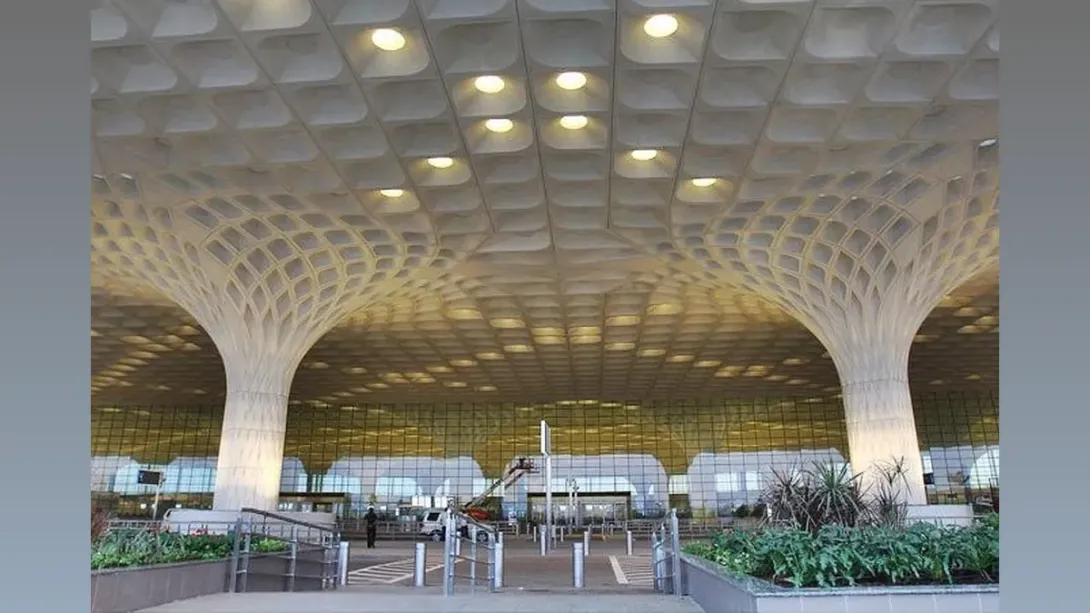
Mumbai’s Chhatrapati Shivaji Maharaj International Airport (CSMIA) reported flat year-on-year passenger growth for the April to June quarter, reflecting a period of stabilization following post-pandemic recovery highs. The airport handled roughly the same number of domestic and international passengers as it did in the corresponding quarter last year. Despite strong industry tailwinds—including rising demand for air travel, increased flight capacity, and broader economic recovery—Mumbai Airport’s growth plateaued due to infrastructure constraints, weather-related disruptions, and shifting travel patterns. The airport remains focused on capacity expansion and operational efficiency as it prepares for a more competitive aviation environment.
Traffic Stabilizes After Strong Recovery Phase
After witnessing double-digit growth in previous quarters, Mumbai Airport’s passenger volumes stabilized in Q1 of FY26, signaling a maturing phase in its post-COVID rebound. The total number of passengers handled during April to June remained nearly flat compared to the same period last year, indicating a temporary pause in growth momentum.
Industry analysts attribute this to a confluence of factors—namely, saturated terminal capacity, seasonal monsoon impact on flight schedules, and a modest shift in international travel preferences toward secondary airports. The airport handled a mix of business and leisure travelers, with international passenger share holding steady amid steady outbound demand.
Operational Challenges Temper Growth Potential
Mumbai Airport, one of the busiest single-runway airports in the world, continues to face operational constraints that limit its ability to absorb growing traffic. With over 900 aircraft movements per day, the facility is running near peak efficiency, leaving little room for incremental increases without significant upgrades.
Monsoon-related disruptions also played a role in the subdued growth during the quarter. Adverse weather conditions led to delays and cancellations, impacting overall throughput. Additionally, while airlines added new routes and frequencies, much of the growth was absorbed by newer airports in Delhi NCR and southern India that offer higher terminal capacities.
Expansion Plans in Focus
To address capacity limitations and prepare for future demand, Mumbai Airport is accelerating its infrastructure development strategy. Ongoing work includes terminal modernization, improvement in baggage handling systems, and digitization of passenger services. These enhancements are aimed at reducing turnaround times and improving customer experience without compromising operational efficiency.
Moreover, the upcoming Navi Mumbai International Airport, slated to open in phases, is expected to complement CSMIA’s operations. Once operational, it will ease pressure on the current airport while serving the growing air travel demand from the Mumbai Metropolitan Region.
Industry Context and Competitive Pressures
The Indian aviation sector continues to see strong passenger demand, bolstered by a growing middle class, rising disposable incomes, and improved regional connectivity. While airports in Delhi, Hyderabad, and Bengaluru posted strong double-digit growth during the same quarter, Mumbai’s flat performance underscores the importance of agile infrastructure planning in a high-growth market.
Mumbai Airport’s management remains optimistic about a pickup in the second half of the fiscal year, supported by festive travel, international route expansions, and improving weather conditions. However, staying competitive will depend on how quickly the airport can scale its physical and digital infrastructure.
Conclusion
Mumbai Airport’s flat passenger growth in the April–June quarter reflects a transitional phase in India’s aviation landscape—one where operational bottlenecks and infrastructure capacity are emerging as key limiting factors. As the airport navigates these challenges, strategic investments and regional coordination will be vital in sustaining its role as a premier gateway for both domestic and international travelers.
Comments