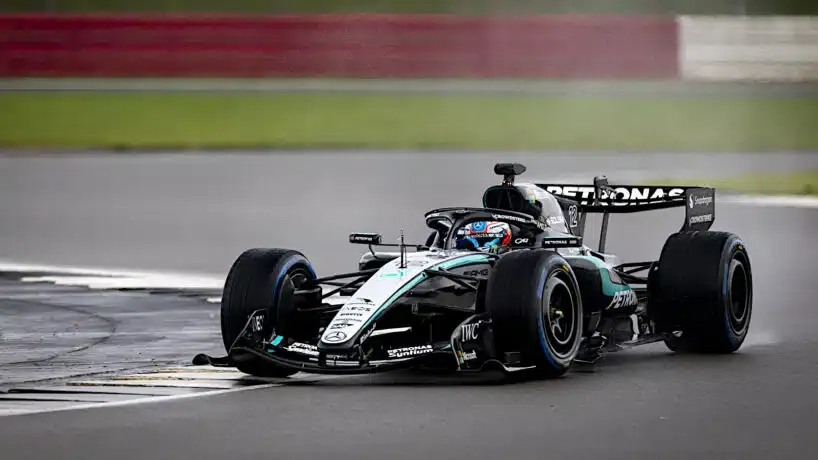
McLaren’s Formula One campaign is gaining renewed attention as the storied British team sharpens its competitive edge amid an increasingly intense championship battle. Backed by technical upgrades, disciplined race strategy, and improved driver consistency, McLaren is signaling a return to the sport’s front rank after years of rebuilding. The team’s recent performances underscore a broader transformation—one that blends engineering innovation with financial prudence and long-term planning. As rivals push development budgets to the limit, McLaren’s progress reflects how smart capital allocation and data-led decision-making can translate into tangible gains on the track.
A Rebuilt Team with Clear Intent
McLaren’s resurgence is no accident. Over the past few seasons, the team has quietly overhauled its technical structure, invested in modern infrastructure, and refined its aerodynamic philosophy. These changes are now bearing fruit, with the car showing improved balance, race pace, and tire management across varied circuits.
Team leadership has emphasized stability over short-term fixes, allowing engineers and drivers to operate within a coherent framework. In a sport where marginal gains define outcomes, this clarity of direction has become a competitive asset.
Performance Gains and Technical Upgrades
Recent races have highlighted the impact of McLaren’s phased upgrade program. Incremental improvements to the floor, suspension geometry, and cooling efficiency have translated into stronger qualifying positions and more predictable race performance. Crucially, these upgrades have been introduced without disrupting car reliability—an area where several rivals have stumbled.
From a financial perspective, McLaren’s approach aligns well with Formula One’s cost-cap environment, ensuring performance growth without breaching regulatory limits.
Drivers as Strategic Assets
McLaren’s driver lineup has also played a pivotal role in its upward trajectory. Consistent feedback, clean execution, and adaptability under changing race conditions have maximized the car’s potential. The team’s emphasis on collaboration between drivers and engineers has reduced setup guesswork and improved weekend execution.
This harmony is increasingly vital as races are won not only on raw speed but on strategic calls and error-free operations.
Business Implications and Brand Revival
Beyond the circuit, McLaren’s on-track progress is strengthening its commercial position. Improved results enhance sponsor visibility, fan engagement, and long-term brand equity—key metrics in a capital-intensive sport. For investors and partners, sustained competitiveness signals operational discipline and future revenue stability.
As the Formula One season unfolds, McLaren’s challenge will be consistency. If current trends hold, the team appears well-positioned to convert its resurgence into lasting success, both competitively and commercially.
Comments