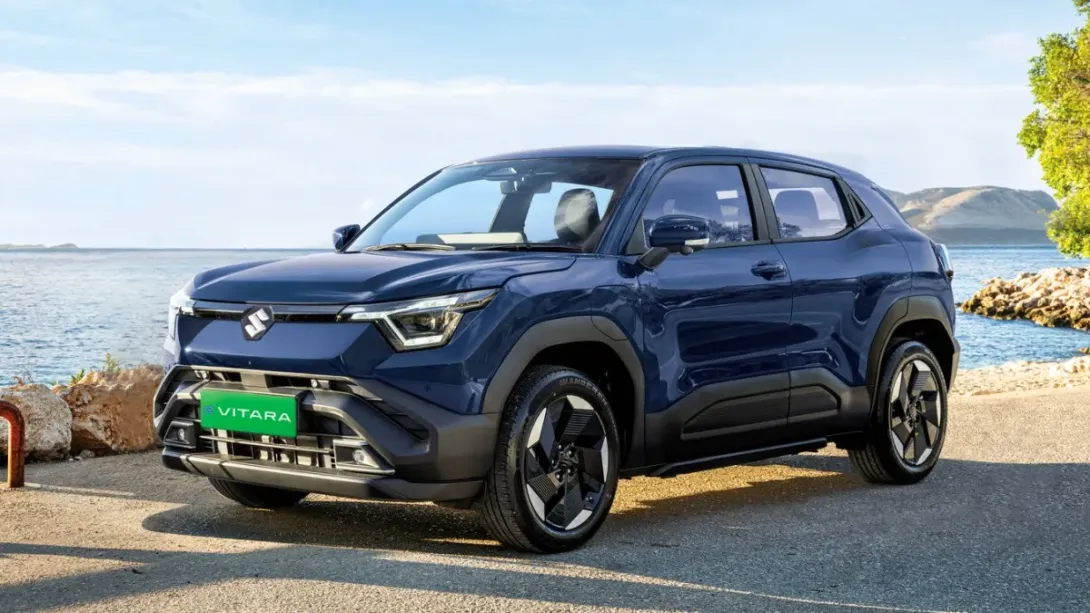
Maruti Suzuki has formally introduced the e-Vitara, marking a significant milestone in the automaker’s electric vehicle strategy for the Indian market. The launch underscores the company’s intent to transition from a cautious observer to an active participant in the country’s rapidly evolving EV landscape. Designed on a dedicated electric platform, the e-Vitara blends familiar SUV styling with next-generation electric architecture, targeting urban and semi-urban consumers alike. While pricing details are awaited, industry watchers see the model as a strategic response to intensifying competition and tightening emission norms, positioning Maruti Suzuki for long-term relevance in electric mobility.
A Strategic Entry Into the EV Segment
With the unveiling of the e-Vitara, Maruti Suzuki has taken a decisive step toward scaling its electric vehicle ambitions. The model represents the company’s first major EV offering built for mass-market adoption, leveraging its deep understanding of Indian consumers and operating conditions.
The launch reflects a broader recalibration of strategy as electric vehicles gain traction across passenger segments.
Design, Platform and Core Specifications
The e-Vitara is based on a purpose-built electric architecture, allowing for optimized battery placement, improved cabin space and enhanced safety. While detailed specifications are expected closer to market launch, the vehicle is positioned as a compact-to-midsize electric SUV, combining practicality with modern design cues.
Automotive analysts expect competitive range figures, fast-charging capability and a technology-forward interior aimed at first-time EV buyers.
Pricing Expectations and Market Positioning
Although official pricing has not yet been announced, market participants anticipate the e-Vitara to be competitively positioned to appeal to cost-conscious buyers transitioning from internal combustion vehicles. Maruti Suzuki’s scale, supplier network and localization strategy are expected to play a key role in cost management.
Pricing will be critical, as the model enters a segment where consumers closely compare upfront cost with long-term savings.
Competitive Landscape and Industry Impact
The Indian EV SUV segment is becoming increasingly crowded, with both domestic and global players accelerating launches. Maruti Suzuki’s entry is likely to intensify competition, particularly given the brand’s extensive dealership network and after-sales reach.
Industry experts believe the e-Vitara could expand the overall EV market rather than merely shift market share, especially among buyers prioritizing reliability and service accessibility.
Road Ahead
The e-Vitara launch marks more than a single product introduction—it signals Maruti Suzuki’s intent to remain central to India’s mobility transition. As specifications and pricing are finalized, the market will closely watch how effectively the automaker converts its legacy strengths into electric-era leadership.
Comments