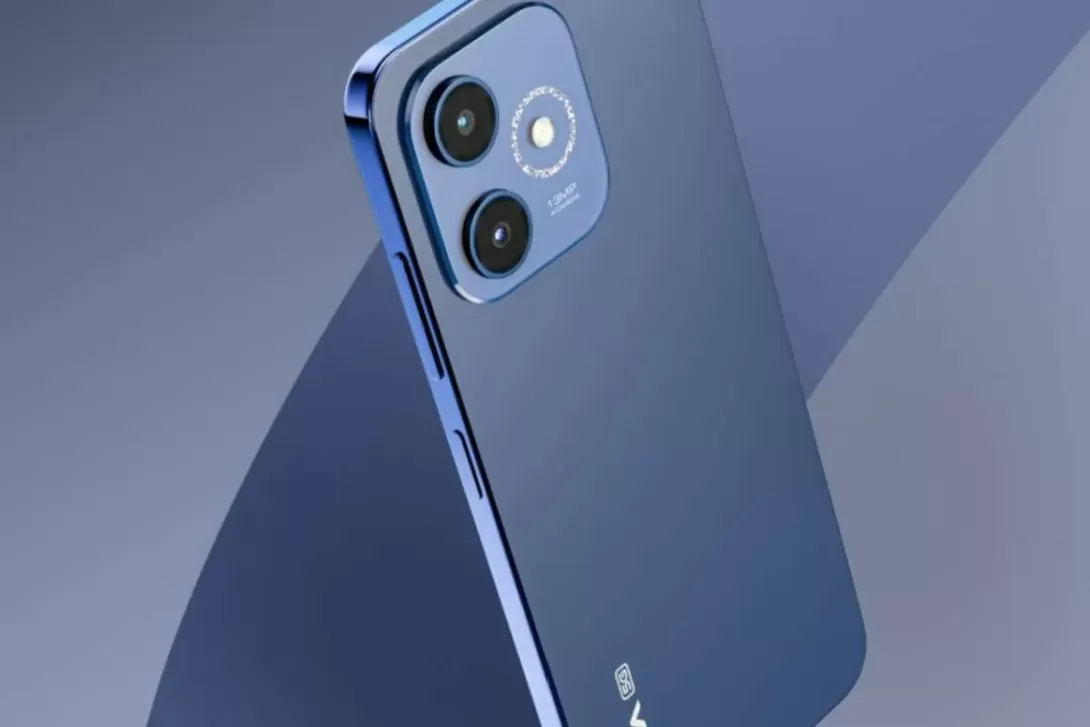
Indian smartphone manufacturer Lava has introduced its latest budget 5G handset, the Lava Shark 5G, aimed at delivering next-generation connectivity to cost-conscious consumers. Priced at Rs. 7,999, the device offers a 90Hz high-refresh display, Android 15, and a capable 5000mAh battery, making it a compelling entry-level option for users transitioning to 5G. Available in Stellar Gold and Stellar Blue, the Lava Shark 5G is strategically designed to cater to India's mass market. With compatibility across both Jio and Airtel 5G networks, Lava’s latest release reinforces its commitment to delivering accessible technology for all.
Market Positioning and Affordability
The Lava Shark 5G targets one of India’s fastest-growing consumer segments—value-driven smartphone users seeking 5G access without the premium price tag. Building on the earlier release of its 4G variant, this new model underscores Lava’s broader ambition to democratize access to modern mobile connectivity.
At Rs. 7,999, the Lava Shark 5G is among the most affordable 5G smartphones available in the Indian market. It is currently being offered in a single memory configuration—4GB RAM and 64GB internal storage—and is sold through Lava’s own retail outlets, online store, and partner distribution channels nationwide.
Design, Display, and Build Quality
Despite its entry-level pricing, the Lava Shark 5G doesn’t compromise on aesthetics or basic durability. It features a 6.75-inch HD+ display with a 90Hz refresh rate, ensuring a smoother visual experience for casual gaming, video streaming, and scrolling through social feeds.
The device carries an IP54 rating, providing limited protection against dust and water splashes—a notable inclusion in this price bracket. Available in Stellar Blue and Stellar Gold, the smartphone delivers a polished design with a side-mounted fingerprint scanner for added convenience and security.
Performance and Hardware
Powering the Lava Shark 5G is the Unisoc T765 processor, supported by 4GB of RAM, expandable by an additional 4GB of virtual RAM. This configuration provides sufficient processing capability for everyday tasks such as browsing, video playback, and multitasking. Internal storage is capped at 64GB, which is standard for phones in this segment.
The device runs on Android 15, making it one of the few budget smartphones shipping with the latest Android operating system. Users can expect a streamlined UI experience and compatibility with modern apps and security features.
Battery and Charging
The Lava Shark 5G comes equipped with a 5000mAh battery, providing ample power for a full day of usage under typical conditions. It supports 18W fast charging, which, while modest compared to flagship devices, remains efficient for the segment it targets. A USB Type-C port and compatible charger are included in the retail box, enhancing user convenience and reducing the need for additional purchases.
Camera Capabilities
While the Lava Shark 5G does not compete with flagship camera systems, it offers a 13MP rear sensor and a 5MP front camera for basic photography and video calling needs. These specifications align with expectations for a sub-Rs. 10,000 smartphone, offering reliable image quality for casual use.
5G Connectivity and Carrier Compatibility
The Lava Shark 5G is fully compatible with Jio and Airtel’s 5G networks, making it a future-proof choice for consumers as India rapidly scales its next-generation mobile infrastructure. Dual-SIM support ensures users can manage both personal and professional contacts on the same device.
Final Thoughts
In an increasingly saturated budget smartphone market, Lava’s latest release strikes a careful balance between affordability and functionality. With the inclusion of 5G support, Android 15, and a high-refresh-rate display, the Lava Shark 5G is well-positioned to attract first-time smartphone users, students, and budget-conscious professionals.
As India continues its transition to widespread 5G adoption, offerings like the Lava Shark 5G demonstrate how domestic manufacturers can remain competitive by prioritizing real-world usability, network readiness, and cost efficiency.
Comments