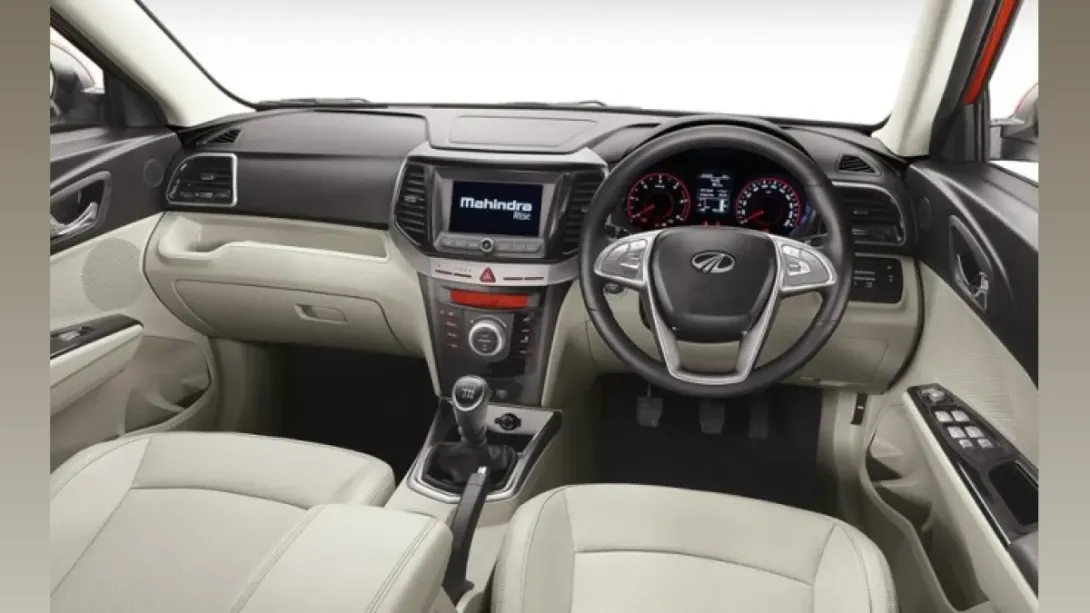
Kia India reported a 10.3% year-on-year increase in vehicle sales in February, reflecting sustained demand in the competitive passenger vehicle segment. The growth was largely driven by robust traction in the sport utility vehicle (SUV) category and steady performance across urban markets. Improved supply chain stability and strong dealer engagement further supported dispatch volumes during the month. The February figures highlight continued resilience in India’s automotive industry, even as manufacturers navigate pricing pressures and evolving consumer preferences. Analysts view Kia’s steady expansion as indicative of brand consolidation in a market increasingly defined by feature-rich, technology-enabled vehicles.
February Sales Reflect Stable Demand
Kia India posted a 10.3% rise in total sales in February compared with the same month last year, underscoring its ability to maintain growth momentum amid intensifying competition.
The automaker attributed the increase to consistent domestic demand and improved production alignment. Enhanced supply chain efficiencies, particularly in semiconductor availability, allowed the company to reduce delivery timelines and fulfill pending orders more effectively.
Industry observers note that the February performance aligns with broader sectoral trends pointing to steady, though measured, expansion in passenger vehicle sales.
SUVs Continue to Power Growth
Kia’s product strategy remains anchored in the SUV segment, which continues to account for a significant share of incremental demand in India. Changing consumer preferences toward spacious, feature-rich vehicles have supported strong bookings for mid-size and compact SUVs.
Urban buyers, in particular, have demonstrated a growing appetite for premium features, advanced infotainment systems, and enhanced safety specifications. This shift toward higher-value variants has contributed to improved revenue realization per vehicle.
While entry-level demand remains somewhat sensitive to financing costs, SUV traction has provided a solid foundation for overall volume growth.
Competitive Landscape and Cost Pressures
India’s passenger vehicle market has become increasingly crowded, with domestic and global manufacturers expanding portfolios aggressively. Frequent model upgrades and marketing campaigns have heightened the battle for market share.
At the same time, automakers continue to manage raw material cost fluctuations and regulatory compliance expenditures. Although input cost volatility has moderated compared with prior peaks, pricing discipline remains crucial to safeguarding operating margins.
Kia’s February growth suggests that its product positioning and dealer network remain effective in capturing evolving consumer demand.
Outlook for the Closing Quarter
As the fiscal year approaches its conclusion, automakers typically experience a seasonal uptick in purchases driven by year-end buying decisions. Analysts anticipate that March could deliver additional support to overall sales volumes.
For Kia India, sustaining double-digit growth will depend on maintaining supply chain stability, refreshing its product pipeline, and navigating competitive intensity in the SUV space.
The February data point, while incremental, reflects broader structural shifts within India’s automotive ecosystem — where innovation, brand perception, and operational efficiency increasingly determine market leadership.
Comments