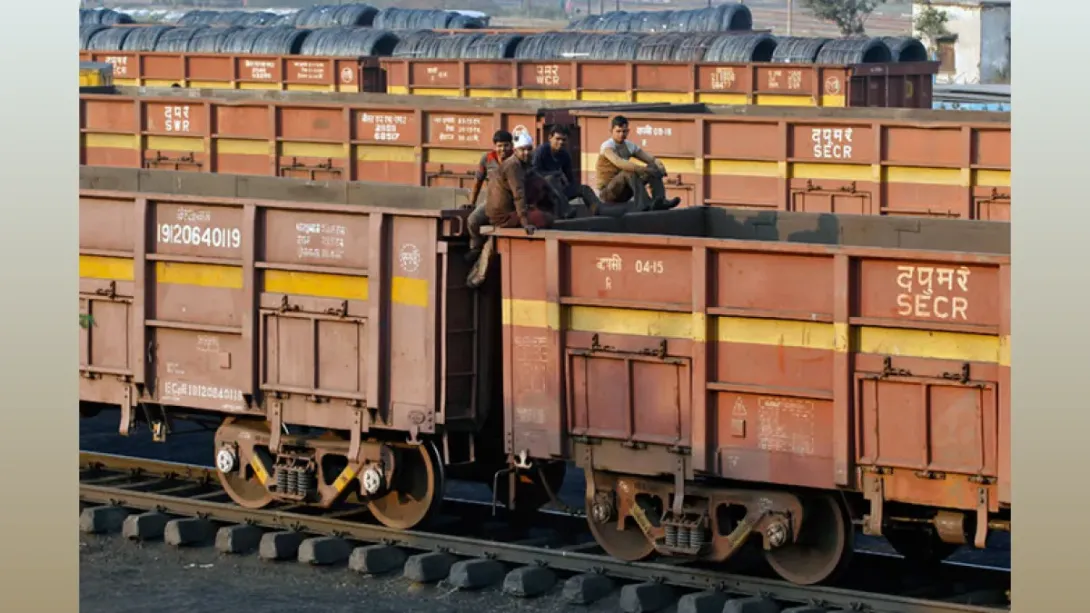
Jupiter Wagons Ltd. reported a 36 percent year-on-year decline in net profit to Rs 62 crore for the December quarter, reflecting margin compression and cost pressures despite steady demand in the railway freight segment. The earnings moderation comes amid elevated input costs and shifting order execution timelines. While revenue growth remained supported by a healthy order book, profitability was impacted by higher raw material expenses and operating overheads. Analysts say the results underscore cyclical challenges within the capital goods and rail infrastructure space, even as long-term fundamentals tied to government-led logistics modernization remain intact.
Profit Decline Highlights Cost Headwinds
Jupiter Wagons posted a net profit of Rs 62 crore for the third quarter ended December, marking a 36 percent decline compared with the same period last year. The drop in earnings reflects tighter operating margins rather than a significant contraction in core demand.
Industry experts attribute the decline primarily to higher steel and input material costs, which remain sensitive to global commodity cycles. Elevated production expenses and execution-related overheads further pressured profitability during the quarter.
Despite the earnings dip, the company maintained steady operational output.
Revenue and Order Book Dynamics
Revenue growth remained supported by a robust order pipeline in the railway freight wagon segment. Government-led initiatives to modernize rail logistics and expand freight capacity continue to drive medium-term demand for rolling stock manufacturers.
However, analysts note that revenue recognition timing and cost escalations can create quarterly volatility in profitability metrics. While topline performance held firm, margin contraction diluted bottom-line growth.
The company’s diversified product portfolio, including wagon manufacturing and related engineering solutions, provides structural support to revenue streams.
Industry Landscape and Infrastructure Push
India’s rail infrastructure sector remains central to the government’s logistics efficiency strategy. Capital expenditure on railway modernization, freight corridor development and rolling stock augmentation has created sustained opportunity for manufacturers.
Yet the capital goods sector is inherently cyclical, often exposed to commodity price swings and working capital fluctuations. Experts argue that companies with strong balance sheets and disciplined cost management are better equipped to navigate these cycles.
Jupiter Wagons’ performance reflects the broader industry dynamic—steady demand tempered by short-term margin headwinds.
Operational Efficiency and Strategic Response
Management has reportedly intensified efforts to enhance cost efficiency, optimize procurement processes and improve supply chain management. Rationalizing operating expenses and leveraging economies of scale remain key priorities.
Financial analysts suggest that stabilizing raw material prices could support margin recovery in subsequent quarters. Additionally, improved execution timelines and streamlined production cycles may enhance operational leverage.
Strategic focus on value-added engineering solutions could further strengthen earnings resilience.
Outlook and Long-Term Fundamentals
Looking ahead, the company’s performance will be closely tied to sustained infrastructure spending and freight capacity expansion. India’s logistics transformation, including dedicated freight corridors and multimodal integration, provides structural growth drivers for the rail equipment industry.
While short-term earnings volatility persists, long-term demand fundamentals remain favorable. Investors will monitor margin trends, order inflows and capital expenditure commitments to assess recovery prospects.
The 36 percent profit decline to Rs 62 crore underscores near-term cost pressures but does not fundamentally alter the sector’s growth narrative. In a capital-intensive industry shaped by policy direction and commodity cycles, operational discipline will determine the trajectory of earnings stabilization.
Jupiter Wagons’ December-quarter results illustrate the delicate balance between infrastructure opportunity and cost management within India’s evolving industrial landscape.
Comments