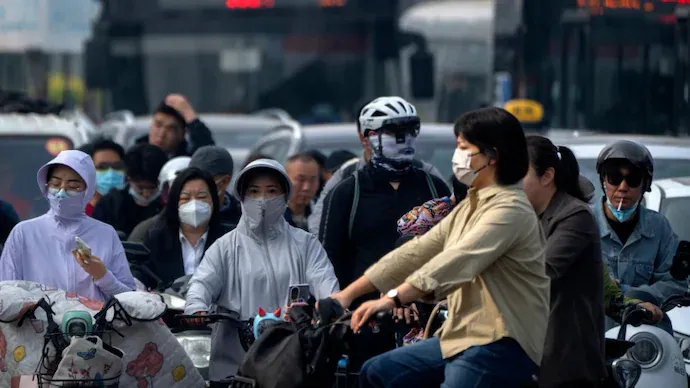
Japanese health authorities have officially declared a nationwide influenza epidemic as infection rates surge across the country, prompting temporary closure of schools and public institutions. The epidemic, driven by highly transmissible strains, has led to increased hospitalizations, putting pressure on the healthcare system. Public health officials emphasize vaccination, hygiene practices, and early medical consultation to curb the spread. The closures aim to reduce community transmission while safeguarding vulnerable populations. Experts warn that economic and social disruptions may follow if containment measures are delayed, underscoring the importance of coordinated responses between government agencies, educational institutions, and healthcare providers.
Escalating Influenza Cases
The influenza epidemic has been confirmed following a sharp rise in reported cases over recent weeks, particularly in urban centers such as Tokyo, Osaka, and Nagoya. Hospitals report higher occupancy rates, with pediatric and elderly patients most affected. The Ministry of Health, Labour and Welfare is closely monitoring infection trends and coordinating with local governments to implement containment measures.
School Closures and Preventive Measures
Authorities have mandated temporary closure of schools, daycare centers, and some universities to limit interpersonal contact. Public awareness campaigns urge frequent handwashing, mask-wearing, and avoidance of crowded spaces. Vaccination campaigns are being intensified, particularly targeting high-risk groups including children, the elderly, and individuals with chronic illnesses. Health experts recommend early consultation for flu-like symptoms to prevent complications and secondary infections.
Healthcare System Preparedness
Hospitals and clinics are mobilizing additional staff and expanding capacity to manage increased patient loads. Antiviral medications and supportive care are being prioritized for severe cases. Regional healthcare authorities are also reinforcing diagnostic capabilities and reporting mechanisms to track the epidemic’s progression in real time.
Socio-Economic Implications
School closures and widespread illness may have short-term economic impacts, including workforce absenteeism and disruptions to daily business operations. The government is coordinating with industry and education sectors to mitigate these effects while ensuring public safety. Insurance and healthcare expenditure are expected to rise as influenza-related hospitalizations increase.
International Perspective
Japan’s influenza epidemic serves as a reminder for global vigilance, particularly in countries with high international travel. Health authorities recommend monitoring for imported cases and reinforcing vaccination programs to prevent similar outbreaks elsewhere. Collaborative research and epidemiological data-sharing are critical for managing seasonal and pandemic influenza strains.
Conclusion
Japan’s declaration of a flu epidemic highlights the ongoing public health challenge posed by seasonal influenza. School closures, vaccination drives, and robust healthcare responses are essential to minimize the impact on communities, healthcare infrastructure, and the economy. Coordinated efforts between government agencies, schools, and healthcare providers will be key to controlling the spread and protecting vulnerable populations.
Comments