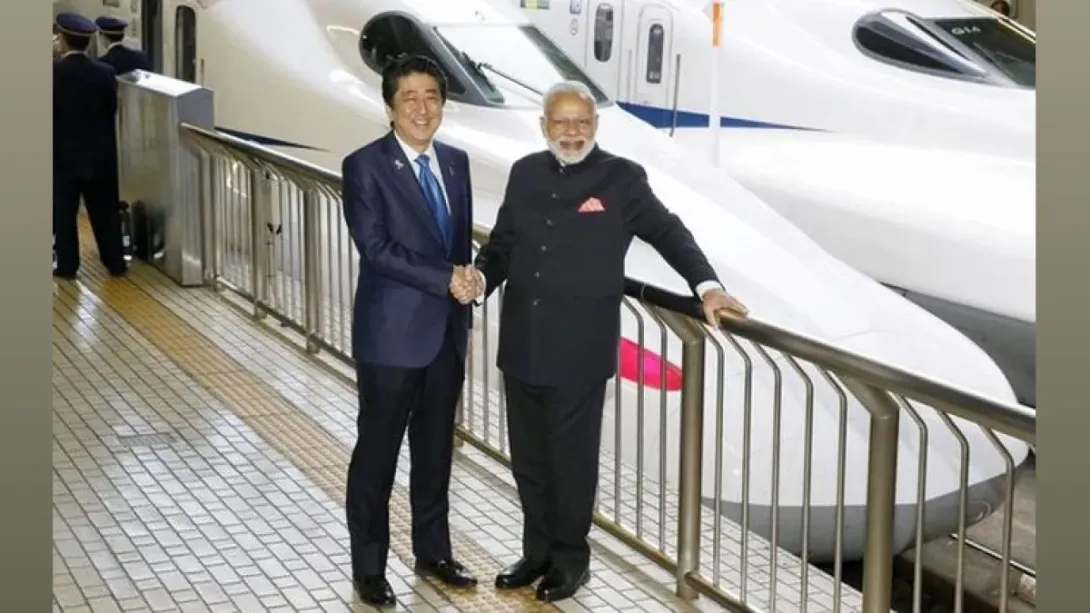
In a significant boost to bilateral relations, Japan and the Indian state of Gujarat have unveiled a multi-faceted economic collaboration aimed at accelerating industrial growth, fostering technological partnerships, and deepening trade ties. This strategic alliance focuses on manufacturing, renewable energy, and smart infrastructure, leveraging Gujarat’s pro-investment environment and Japan’s advanced technological capabilities. As Japanese companies intensify their presence in Gujarat, this cooperation is expected to generate substantial employment opportunities, bolster exports, and position the state as a pivotal node in Indo-Japanese economic engagements, with long-term benefits that could extend across India’s broader industrial landscape.
---
A Strategic Alliance Takes Shape
Japan has long viewed India as a critical partner in its “Free and Open Indo-Pacific” strategy, and Gujarat has emerged as a natural focal point for this partnership. With its stable political climate, robust industrial ecosystem, and investor-friendly policies, Gujarat offers an ideal platform for Japanese firms seeking to diversify supply chains and tap into India’s expanding market.
The state government, keen to attract high-quality foreign direct investment (FDI), has rolled out targeted incentives and streamlined clearances. This synergy between Gujarat’s policy framework and Japan’s appetite for strategic investments has laid the foundation for a robust economic corridor that promises to unlock mutual growth.
---
Focus Areas: Manufacturing, Green Energy, Smart Cities
At the heart of this collaboration lies a shared ambition to propel Gujarat into a manufacturing powerhouse aligned with global standards. Japanese companies, known for their precision engineering and quality benchmarks, are increasingly setting up manufacturing units in sectors ranging from automobiles and electronics to specialized machinery.
Renewable energy is another pillar of this partnership. As Gujarat continues to champion solar and wind projects, Japanese investors and technology providers are stepping in to offer expertise in energy efficiency, storage solutions, and grid modernization—critical components in India’s journey toward achieving its net-zero commitments.
Additionally, the two sides are exploring joint initiatives in urban infrastructure, particularly smart city technologies. This encompasses intelligent transport systems, water management, and waste recycling solutions, bringing Japanese innovation to Gujarat’s urban transformation agenda.
---
Economic Impact and Employment Generation
This deepening cooperation is already translating into tangible economic benefits. Recent estimates suggest that Japanese investments in Gujarat could generate thousands of direct and indirect jobs over the next few years. Local suppliers and ancillary industries are poised to thrive as they integrate into sophisticated Japanese-led value chains, fostering skill development and technological upskilling in the region.
The growth of Japanese industrial zones in Gujarat also promises to boost exports by enabling the production of globally competitive goods, enhancing India’s position in international markets. The partnership’s multiplier effects are expected to ripple through logistics, warehousing, and service sectors, reinforcing Gujarat’s stature as a key economic hub.
---
Beyond Economics: Strengthening Bilateral Trust
While the commercial dimension is paramount, this partnership also deepens diplomatic and cultural ties between Japan and India. Regular high-level exchanges, business conclaves, and cultural initiatives have reinforced mutual trust, paving the way for smoother collaborations. This trust is particularly vital in an era of shifting global supply chains and rising economic nationalism, as it assures long-term stability and predictability for investors.
---
Conclusion: A Vision for Shared Prosperity
The evolving Japan-Gujarat partnership stands as a compelling case study in targeted regional diplomacy driving broader national goals. By aligning Gujarat’s industrial ambitions with Japan’s technological prowess and investment capacity, this collaboration sets a precedent for how states can proactively attract quality foreign partnerships. Over time, it promises to reshape not just Gujarat’s economic landscape but also deepen the strategic fabric binding India and Japan—underscoring a shared vision of sustainable, inclusive growth in an increasingly interconnected world.
Comments