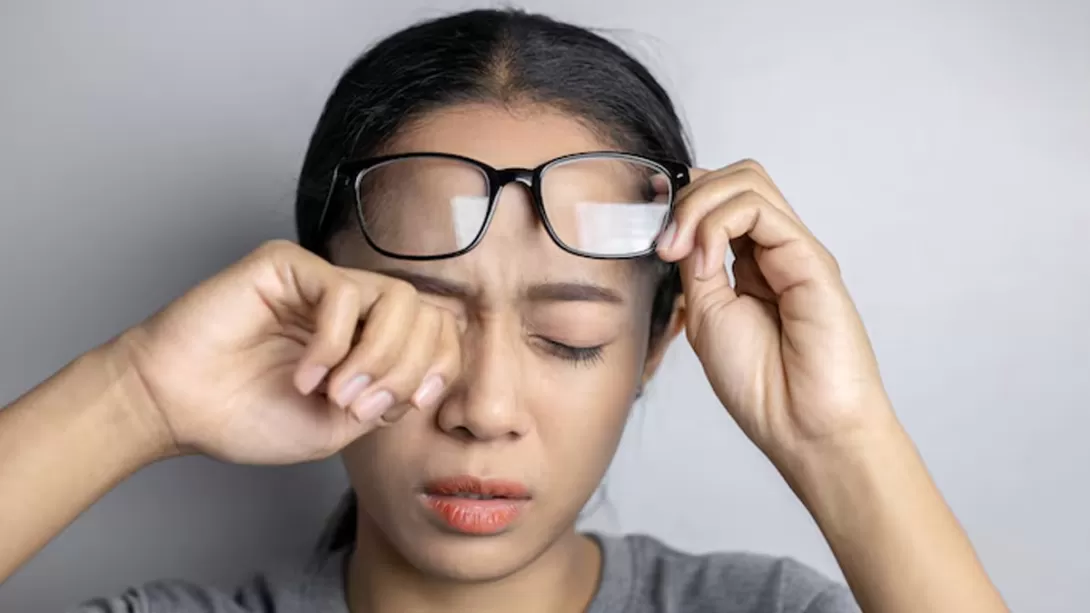
While much of the discourse around air pollution centers on respiratory and cardiovascular impacts, a lesser-known consequence is its effect on eye health—often subtle but far-reaching. From short-term fatigue and dryness to chronic conditions like glaucoma and cataracts, prolonged exposure to pollutants such as PM2.5, nitrogen dioxide (NO₂), and sulfur dioxide (SO₂) is taking a silent toll on vision. As urban populations continue to grow and environmental degradation worsens, ophthalmologists warn that unchecked exposure could result in irreversible ocular damage. Experts urge greater awareness and protective measures to mitigate this emerging public health concern.
The Overlooked Victim of Urban Smog: Our Eyes
Air pollution has long been recognized as a significant health hazard, particularly in densely populated cities. While lung and heart ailments receive ample attention, the damage to ocular health remains underexplored. According to Dr. Ajay Sharma, Founder and Chief Medical Director of Eye-Q Eye Hospitals, the eyes are uniquely vulnerable due to their constant exposure and limited natural defenses.
The air in urban environments contains a toxic cocktail of particulate matter (PM2.5 and PM10), nitrogen dioxide (NO₂), and sulfur dioxide (SO₂), all of which contribute to gradual and sometimes irreversible eye damage. These pollutants don’t merely irritate—they actively deteriorate the very structures that protect and sustain our vision.
Understanding Pollutants and Ocular Exposure
Particulate matter, particularly PM2.5, poses the greatest threat due to its microscopic size, which allows it to bypass the body’s usual defenses and infiltrate deeper biological systems. NO₂, a byproduct of vehicular emissions, and SO₂, commonly emitted from industrial processes, also play significant roles in the degradation of eye health.
The first line of defense for the human eye is a fragile precorneal tear film that struggles to hold up against sustained pollutant exposure. As these harmful substances make contact with the corneal surface—the most nerve-dense part of the human body—they induce irritation, disrupt moisture balance, and erode the eye’s natural ability to protect itself.
Immediate Consequences: Fatigue and Functional Disruption
In highly polluted environments, the symptoms of eye strain can appear within hours. These include burning, itching, redness, excessive tearing, and a gritty sensation—similar to having sand in the eyes. The protective tear film begins to break down, leading to chronic dryness and discomfort.
Such symptoms directly affect an individual's ability to focus, whether at work, while driving, or during routine tasks. Eye fatigue is no longer a sporadic inconvenience but a daily disruption that undermines overall productivity and quality of life.
The issue is particularly acute for those who commute long distances in open-air vehicles like motorcycles or bicycles. A study from New Delhi revealed that individuals who had been daily commuters for more than a decade experienced significantly higher levels of ocular discomfort and chronic symptoms compared to residents living near their workplaces.
Long-Term Deterioration: From Conjunctivitis to Cataracts
The impact of pollution doesn’t end with temporary irritation. Long-term exposure is increasingly being linked to more serious conditions. Studies indicate a strong correlation between chronic exposure to PM2.5 and NOₓ (nitrogen oxides) and the onset of allergic conjunctivitis, glaucoma, and dry eye syndrome.
Moreover, research has revealed that exposure to traffic-related air pollutants—especially sulfur dioxide and ozone—can increase the risk of developing cataracts and age-related macular degeneration (AMD). Both conditions lead to irreversible vision loss if not diagnosed and managed early.
There is also a notable rise in cases of myopia, or nearsightedness, particularly among younger populations in polluted urban centers. Subclinical changes caused by pollutants may go unnoticed initially but can culminate in severe visual impairment over time.
Mitigation Strategies: Safeguarding Your Vision in Polluted Environments
Though eradicating environmental pollution remains a broader societal challenge, individuals can take proactive steps to protect their eyes.
- Protective Eyewear: Wearing sunglasses or prescription glasses when outdoors reduces direct exposure to airborne particles.
- Lubricating Eye Drops: Artificial tears can help maintain moisture and support the tear film, providing relief from dryness and irritation.
- Indoor Air Quality: Using air purifiers at home and in the workplace can reduce overall exposure, particularly in areas with consistently high Air Quality Index (AQI) readings.
- Commuter Precautions: For those who travel in open vehicles, wraparound eyewear or helmet visors can act as barriers against particulate matter.
- Regular Eye Exams: Early diagnosis through routine checkups ensures timely intervention in case of pollution-induced ocular changes.
Final Reflection: Eyes on the Horizon
As India’s cities continue to grapple with rising air pollution, the urgency of addressing its impact on vision cannot be overstated. Our eyes, though small and often neglected in public health discussions, are on the frontlines of environmental exposure. Ignoring their well-being now may result in preventable vision loss for millions in the years to come.
Public awareness campaigns, integrated urban planning, and personal vigilance must converge if we are to preserve ocular health in an increasingly toxic world. Vision, after all, is not merely a sense—it is a window to everything we experience. It's time we kept it clear.
Comments