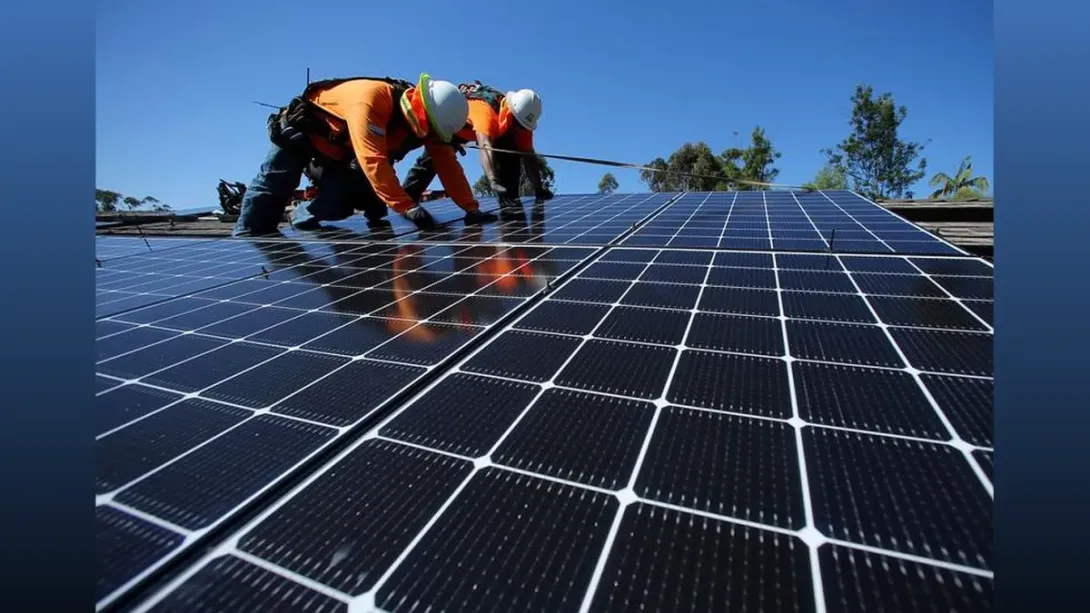
Inox Solar has officially begun solar module production at its newly commissioned facility in Gujarat, marking a significant step in India’s renewable energy expansion. The plant, equipped with advanced manufacturing technology, is designed to produce high-efficiency photovoltaic modules for domestic and international markets. This development strengthens India’s solar supply chain, reduces dependency on imports, and supports national targets for clean energy capacity. Analysts note that the Gujarat facility enhances local manufacturing capabilities, job creation, and investment confidence, while contributing to cost-effective solar deployment. The move aligns with the government’s focus on renewable energy self-reliance and sustainable infrastructure growth.
Gujarat Facility and Production Capacity
Inox Solar’s Gujarat plant represents a state-of-the-art solar module manufacturing unit. Key highlights include:
High-Efficiency Module Production: Utilizing advanced PV technology to maximize energy output.
Significant Annual Output: The plant is expected to produce hundreds of megawatts of solar modules annually.
Supply Chain Integration: Local production reduces dependency on imported modules and strengthens the domestic solar ecosystem.
The facility’s commissioning reflects Inox Solar’s commitment to scaling renewable energy infrastructure in India while maintaining global competitiveness.
Strategic Importance for India’s Solar Sector
The Gujarat plant contributes to several strategic objectives:
Energy Self-Reliance: Domestic manufacturing supports the government’s push for Make in India in the solar sector.
Cost Optimization: Locally produced modules reduce import-related expenses and logistics costs, lowering overall project costs.
Employment Generation: Manufacturing operations create skilled and semi-skilled jobs in Gujarat and surrounding regions.
By enhancing domestic production capacity, Inox Solar strengthens India’s ability to meet renewable energy targets of 500 GW by 2030.
Market and Investor Implications
The launch of the Gujarat module facility may have broader market consequences:
Investment Confidence: Demonstrates the viability of large-scale solar manufacturing projects in India.
Sector Growth: Encourages private sector investment in solar energy deployment and allied technologies.
Competitive Advantage: Inox Solar’s domestic production may provide cost and delivery advantages for EPC (engineering, procurement, and construction) projects.
Financial analysts suggest that this step could enhance the company’s market share in India’s growing renewable energy landscape.
Technological and Environmental Impact
Inox Solar’s Gujarat plant incorporates advanced automation and quality control systems, ensuring:
Higher Module Efficiency: Optimized power output per unit area.
Reduced Carbon Footprint: Sustainable manufacturing practices minimize environmental impact.
Innovation Adoption: The facility positions Inox Solar to leverage new technologies for next-generation solar modules.
These initiatives align with global best practices in green manufacturing and sustainable energy production.
Conclusion: Advancing India’s Renewable Energy Ambitions
The commencement of module production at Inox Solar’s Gujarat facility represents a milestone for domestic solar manufacturing. By boosting capacity, creating jobs, and lowering costs, the plant strengthens India’s renewable energy ecosystem.
As the country strives toward ambitious solar and clean energy targets, initiatives like this highlight the synergy between private enterprise and national policy, driving sustainable growth, energy security, and long-term environmental benefits.
Comments