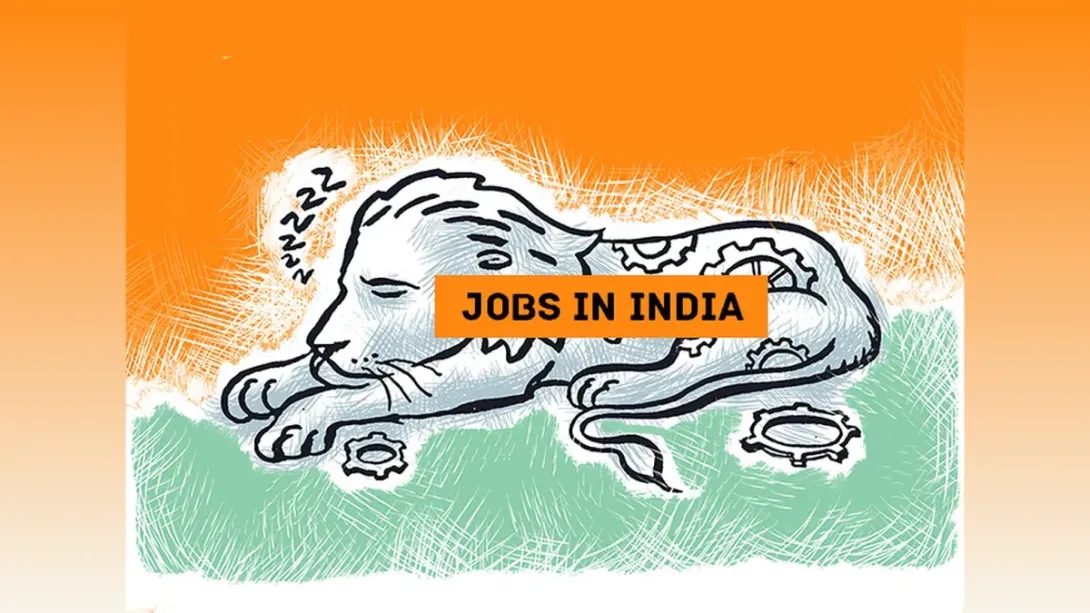
India’s unemployment rate rose to 5.2% in September, signaling a modest slowdown in labor market absorption amid evolving economic conditions. Analysts attribute the uptick to factors including sector-specific job fluctuations, rural-urban employment disparities, and ongoing adjustments in post-pandemic economic activity. The increase highlights challenges in aligning workforce skillsets with emerging industry demands and sustaining robust job creation. Government agencies and industry stakeholders are monitoring the trends closely, emphasizing targeted employment schemes, skill development programs, and incentives for private sector hiring. The development underscores the critical need for policy interventions to support inclusive growth, labor participation, and long-term employment stability.
September Unemployment Data
The official labor statistics indicate that India’s unemployment rate rose to 5.2% in September from previous months. The rise reflects both cyclical and structural shifts in the economy, affecting manufacturing, services, and informal sector employment. Analysts suggest that certain sectors, including IT and export-oriented manufacturing, continue to show resilience, while others face hiring slowdowns due to demand fluctuations.
Rural-Urban Employment Disparities
The increase in unemployment is more pronounced in urban areas, where skilled and semi-skilled labor faces higher competition. Rural employment, while relatively stable, continues to grapple with seasonal agricultural labor demand and migration trends. Experts note that bridging rural-urban labor gaps and facilitating mobility remains key to stabilizing national employment figures.
Policy and Economic Implications
Government agencies are assessing targeted interventions to stimulate job creation. Initiatives include expanded skill development programs, subsidies for labor-intensive industries, and incentives for private sector hiring. Economists argue that sustainable employment growth will require alignment between labor supply and emerging sectors such as green energy, digital services, and advanced manufacturing.
Private Sector Response
Businesses are adapting to evolving labor market conditions, balancing automation adoption with human capital requirements. While some companies accelerate recruitment in high-growth segments, others exercise caution amid macroeconomic uncertainties. Strategic workforce planning and upskilling initiatives are expected to mitigate short-term employment pressures.
Outlook
The rise to 5.2% unemployment underscores the need for coordinated policy measures and private sector engagement to enhance workforce participation. Analysts emphasize that sustained economic expansion, skill enhancement, and employment-friendly policies are crucial to reversing short-term trends and ensuring long-term labor market stability.
Comments