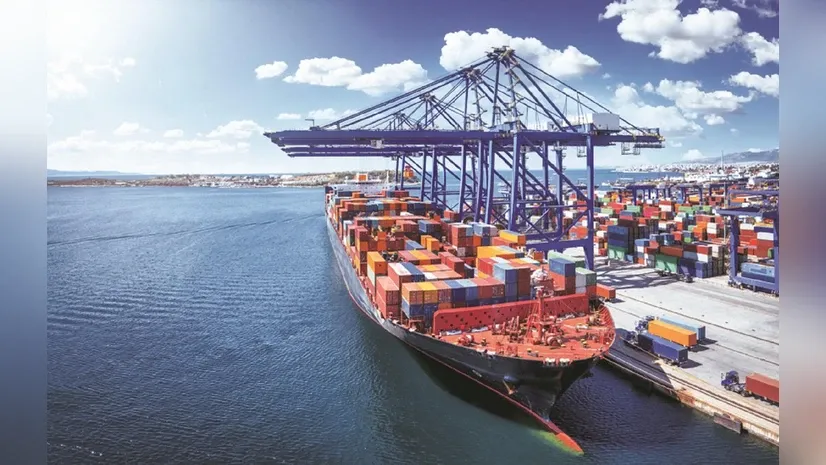
India’s shipbuilding industry is witnessing renewed momentum as domestic and international demand for cargo vessels, defense ships, and specialized maritime vessels surges. Bolstered by government initiatives under the “Make in India” and naval modernization programs, the sector aims to enhance self-reliance, expand export potential, and strengthen maritime infrastructure. Key challenges, however, include technological modernization, skilled workforce development, and global competition from established shipbuilding nations. Experts argue that strategic investments in automation, green shipping solutions, and collaborative ventures with international players can propel India’s shipyards into a competitive position, contributing significantly to employment, economic growth, and national security.
Government Initiatives and Policy Support
The Indian government has prioritized shipbuilding as a strategic industry:
- Make in India & Defense Procurement: Focus on indigenously built defense vessels and naval modernization programs.
- Financial Incentives: Subsidies, capital support, and tax incentives for shipyards investing in advanced technologies.
- Maritime Clusters: Development of specialized ports and industrial clusters to streamline supply chains and logistics.
Officials highlight that these measures aim to reduce dependency on imports, attract private investment, and bolster India’s standing as a regional shipbuilding hub.
Technological Advancements and Innovation
Innovation is central to strengthening India’s shipbuilding competitiveness:
- Automation and Digital Ship Design: Adoption of AI-driven design, simulation, and fabrication tools to improve efficiency.
- Green Shipping Solutions: Investment in LNG-powered and hybrid vessels to meet global emission standards.
- Collaborations with Global Players: Partnerships with leading international shipbuilders for technology transfer and expertise sharing.
Analysts note that such modernization is crucial to meet global quality standards and export requirements.
Economic and Employment Impacts
The sector plays a critical role in India’s industrial landscape:
- Revenue Generation: Shipbuilding and repairs contribute Rs. tens of thousands of crores annually to the maritime economy.
- Employment Opportunities: Direct jobs in shipyards and ancillary industries; indirect jobs in logistics, steel, and machinery sectors.
- Export Potential: Growing demand from Africa, Southeast Asia, and the Middle East presents lucrative opportunities for Indian-built vessels.
Industry observers emphasize that a robust domestic shipbuilding sector can significantly strengthen India’s balance of trade and industrial ecosystem.
Challenges and Opportunities
Despite progress, challenges persist:
- Global Competition: South Korea, Japan, and China dominate high-end shipbuilding, necessitating strategic differentiation.
- Skill Gaps: Demand for specialized engineers, naval architects, and technicians exceeds current supply.
- Supply Chain Efficiency: Reliance on imported machinery and components can hinder cost competitiveness.
Opportunities lie in targeting niche segments, such as luxury yachts, defense patrol vessels, and eco-friendly cargo ships, which can yield higher margins and strategic advantage.
Conclusion
India’s shipbuilding industry stands at a pivotal juncture, balancing ambition with global competition. By leveraging government support, investing in technology and skills, and tapping emerging markets, India can transform its shipyards into world-class centers of maritime excellence. Strategic growth in this sector not only enhances national security but also catalyzes industrial development, employment, and export revenues, solidifying India’s maritime stature on the global stage.
Comments