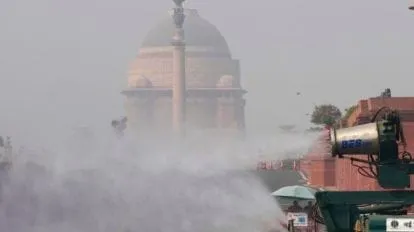
India’s mid-year air quality assessment for January to June 2025 reveals a complex environmental landscape, marked by modest nationwide improvements but stark regional disparities. While some urban centres recorded slight reductions in particulate matter, industrial hubs and agrarian regions continue to battle alarmingly high pollution levels. Seasonal crop burning, industrial emissions, and persistent vehicular congestion remain primary culprits, despite incremental policy interventions. This half-year snapshot underscores both the challenges and the urgency of implementing stricter regulatory frameworks, cleaner technologies, and public awareness campaigns to steer the nation toward more sustainable air quality standards.
---
A Mixed Bag: National Trends in Air Quality
As India crosses the midpoint of 2025, fresh data from environmental monitoring agencies paints a nuanced picture of air quality trends across the country. Average PM2.5 levels in major metropolitan regions dipped by approximately 5% compared to the same period last year, largely due to favourable weather patterns and targeted restrictions on high-emission industrial activities during peak pollution spells. However, experts caution that this modest progress is uneven and easily reversible without systemic change.
The January to June figures highlight that while cities like Bengaluru and Chennai managed to sustain relatively better air quality indices, northern belts—particularly Delhi-NCR and parts of Punjab and Haryana—continued to record PM2.5 levels two to three times above the national safe average.
---
Regional Disparities Remain a Pressing Concern
A closer examination reveals glaring contrasts. In Delhi, average PM2.5 concentrations hovered around 110 µg/m³ during the first half of the year, far exceeding the permissible national standard of 40 µg/m³. This translates to prolonged exposure risks, including respiratory ailments and cardiovascular complications for millions of residents.
Meanwhile, Mumbai demonstrated modest gains, with levels tapering to about 45 µg/m³, credited to improved coastal winds and incremental shifts to cleaner public transport fleets. Conversely, industrial towns such as Kanpur and Durgapur saw little relief, where heavy manufacturing activity coupled with inadequate emission controls pushed PM2.5 concentrations consistently above 90 µg/m³.
---
Key Drivers: Agriculture, Industry, and Transport
Despite ambitious government initiatives like the National Clean Air Programme, core structural drivers of pollution remain stubbornly intact. Crop residue burning ahead of the monsoon, a well-documented seasonal phenomenon, intensified particulate loads across northwestern plains. Satellite data suggests nearly 13,000 farm fires were detected in Punjab and Haryana between March and early June, undercutting local mitigation efforts.
Industrial emissions also remain a formidable challenge. Many medium-scale units continue to operate without upgraded filtration systems, citing financial constraints, while regulatory enforcement lags. In urban corridors, traffic congestion, coupled with a sluggish transition to electric and hybrid vehicles, continues to exacerbate nitrogen dioxide and carbon monoxide levels.
---
Policy Imperatives and Public Health Risks
Health economists warn that prolonged exposure to high particulate matter could impose economic costs exceeding Rs. 2 lakh crore annually, stemming from healthcare burdens and productivity losses. This reinforces the need for comprehensive measures beyond sporadic bans and advisories.
Policymakers are under mounting pressure to tighten compliance frameworks, expand continuous monitoring infrastructure, and incentivize industries to adopt cleaner technologies. Simultaneously, citizen participation—through reduced personal vehicle use, adoption of energy-efficient practices, and localised tree-planting initiatives—remains indispensable.
---
Looking Ahead: The Crucial Second Half
With the monsoon season underway, temporary relief from dust and particulates is expected, offering a narrow window to implement deeper structural interventions without the immediate smog crisis. However, experts caution against complacency. As winter approaches—a period historically marked by atmospheric inversion and rampant stubble burning—the nation risks another hazardous
Comments