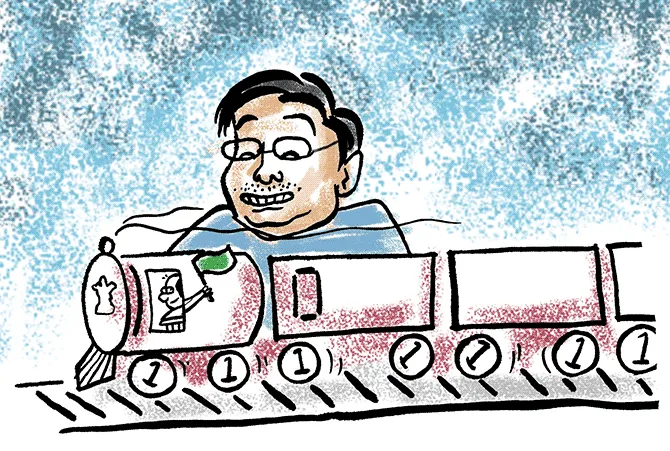
Indian Railways has set an ambitious target to fully deploy its indigenous train protection system, Kavach, across the high-density Mumbai–Delhi–Kolkata rail corridors by 2026. The move marks a critical step in modernizing rail safety infrastructure on some of the country’s busiest and most commercially vital routes. Kavach is designed to prevent collisions, overspeeding and signal-passing-at-danger incidents through automated intervention. Officials say the accelerated rollout reflects a strategic shift toward technology-led risk mitigation, improved operational efficiency and enhanced passenger confidence in the national rail network.
Kavach and the Push for Rail Safety
Kavach, developed under the government’s “Make in India” initiative, is an automatic train protection system tailored to Indian operating conditions. It continuously monitors train speed and signaling data, applying brakes autonomously if safety thresholds are breached. Rail safety experts consider it a milestone in reducing human error, which has historically accounted for a significant share of rail incidents.
Why the Golden Quadrilateral Matters
The Mumbai–Delhi–Kolkata corridors form the backbone of India’s rail traffic, carrying millions of passengers and substantial freight volumes each year. Any disruption on these routes has outsized economic and logistical consequences. Prioritizing Kavach deployment here allows Indian Railways to maximize safety impact while protecting key commercial arteries.
Implementation Timeline and Scale
Railway officials indicate that installation work is being coordinated alongside signaling upgrades and track modernization to minimize service disruptions. The scale of deployment is vast, covering thousands of route kilometers and hundreds of locomotives. While precise costs vary by section, the overall investment is expected to run into several thousand crore rupees, reflecting the system’s national importance.
Economic and Operational Benefits
Beyond safety, Kavach is expected to improve network efficiency by enabling more predictable train operations and reducing accident-related delays. Analysts note that fewer disruptions translate into lower insurance liabilities, better asset utilization and long-term savings that outweigh upfront capital expenditure.
Toward a Technology-Driven Railway
The 2026 target underscores Indian Railways’ broader transition toward automation and digital control systems. If executed on schedule, Kavach’s rollout on these flagship corridors could set the benchmark for nationwide adoption, reinforcing safety as a core pillar of India’s rail modernization agenda.
Comments