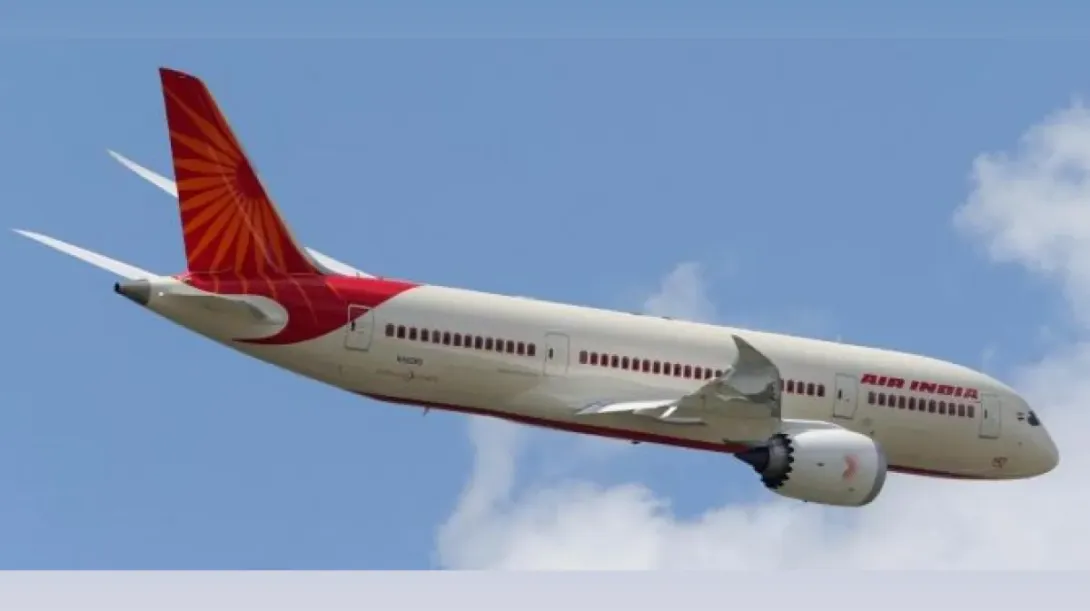
India’s two largest airlines, Air India and IndiGo, are laying the groundwork for an aggressive expansion in 2026, focusing on fleet growth, network diversification and enhanced passenger experience. Both carriers are investing heavily in new-generation aircraft to meet rising domestic and international demand, while simultaneously upgrading airport infrastructure through the development of modern lounges. These moves reflect a broader shift in India’s aviation sector toward scale, efficiency and service differentiation. As competition intensifies and air travel demand remains resilient, the strategic plans of Air India and IndiGo signal a decisive push to strengthen market leadership and elevate global standards.
Fleet Expansion Anchors Growth Strategy
Aircraft acquisition sits at the heart of the 2026 roadmap for both airlines. IndiGo continues to double down on its single-aisle strength, inducting fuel-efficient planes to support rapid domestic growth and expand short- to medium-haul international routes. Air India, undergoing a comprehensive transformation, is balancing narrow-body additions with long-haul wide-body aircraft to rebuild its global footprint.
The emphasis on next-generation fleets is expected to lower operating costs, improve on-time performance and reduce carbon intensity.
Lounges as a Competitive Differentiator
Beyond aircraft, both carriers are placing renewed focus on ground experience. Air India plans to significantly expand and modernize its lounge portfolio across key domestic and international hubs, aligning service standards with global full-service peers. IndiGo, traditionally a no-frills airline, is selectively investing in premium lounges to cater to high-frequency business travelers and loyalty program members.
This pivot underscores a growing recognition that airport experience plays a critical role in customer retention.
Responding to Demand and Capacity Constraints
India’s aviation market remains one of the fastest growing globally, driven by rising disposable incomes and improved regional connectivity. However, capacity constraints at major airports and supply chain delays in aircraft deliveries pose challenges.
By placing long-term aircraft orders and investing early in infrastructure, both airlines aim to secure capacity and insulate themselves from future bottlenecks.
Financial and Operational Implications
Large-scale capital expenditure will inevitably weigh on balance sheets in the near term. Yet analysts argue that disciplined fleet planning and higher aircraft utilization could translate into sustainable returns over the cycle. For Air India, improved service quality is central to restoring brand equity, while IndiGo’s scale-driven efficiency remains its core financial advantage.
A Transformational Phase for Indian Aviation
The 2026 strategies of Air India and IndiGo reflect a maturing aviation market where growth is increasingly paired with quality and resilience. As both carriers invest in aircraft, lounges and operational capabilities, India’s skies are set to become more competitive, passenger-centric and globally connected.
Comments