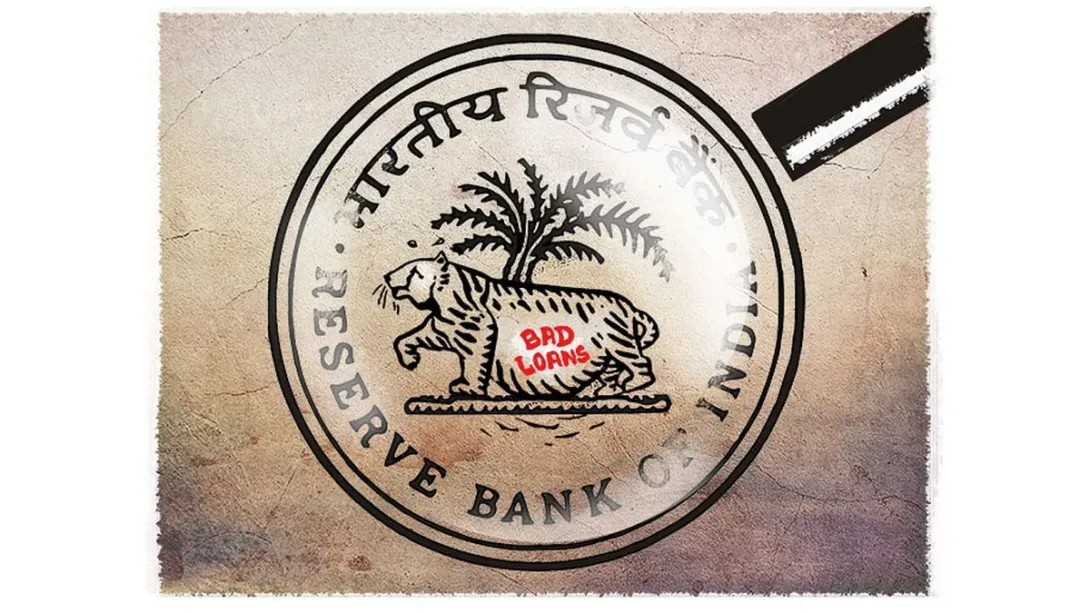
India’s banking sector is expected to record a further improvement in asset quality over the next two years, with non-performing assets projected to decline steadily by March 2027. According to the Reserve Bank of India, stronger capital buffers, prudent lending practices and sustained economic growth are helping lenders contain credit risk. The central bank’s assessment suggests that banks are better positioned to absorb potential shocks even under adverse macroeconomic conditions. This outlook reinforces confidence in the stability of the financial system and underscores the structural strengthening that has taken place across public and private sector banks.
RBI Outlook Signals Continued Asset Quality Gains
The Reserve Bank of India’s latest financial stability assessment points to a gradual reduction in gross and net non-performing asset ratios across the banking system by the end of FY27. Stress test scenarios indicate that even in the event of economic headwinds, banks are likely to maintain manageable levels of stressed assets.
This marks a significant shift from the previous decade, when elevated bad loans weighed heavily on credit growth and investor sentiment.
Strong Capital and Provisioning Buffers
One of the key drivers behind the improving outlook is the strengthening of bank balance sheets. Higher capital adequacy ratios and robust provisioning coverage have enhanced lenders’ ability to withstand asset quality pressures. The RBI noted that most scheduled commercial banks are comfortably placed above regulatory capital requirements.
This financial resilience provides room for banks to support credit expansion while safeguarding balance sheet stability.
Credit Growth and Risk Management in Focus
Loan growth has remained broad-based, supported by demand from retail, services and well-rated corporate borrowers. At the same time, banks have tightened underwriting standards and improved risk monitoring systems, reducing the likelihood of a fresh build-up of stressed assets.
The central bank’s analysis suggests that disciplined credit appraisal, rather than aggressive balance sheet expansion, will remain the defining feature of the current cycle.
Implications for Investors and the Economy
A sustained decline in NPAs is expected to improve profitability through lower credit costs and higher return on assets. For investors, this strengthens the investment case for banking stocks, particularly those with consistent asset quality metrics.
At a macro level, healthier banks are better positioned to finance infrastructure, manufacturing and small businesses, reinforcing the broader growth narrative.
A More Resilient Banking System
The RBI’s projection of improving NPAs by March 2027 highlights the structural progress made by India’s banking sector. While vigilance remains essential, the trajectory points to a system that is increasingly resilient, well-capitalized and capable of supporting long-term economic expansion.
Comments