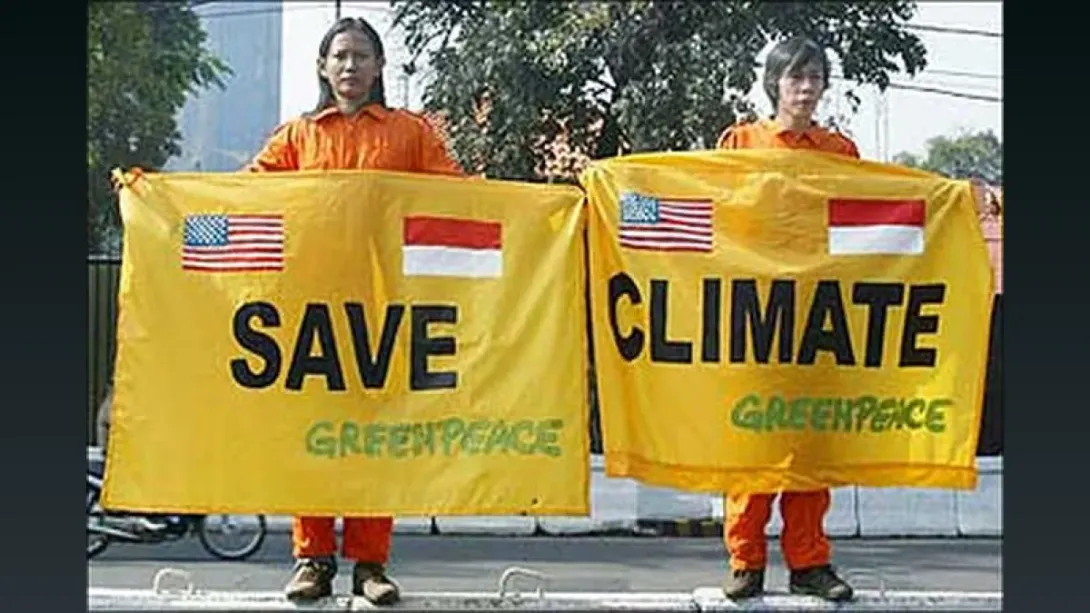
As the world prepares for the upcoming COP30 climate summit in Brazil, India has intensified its call for developed nations to fulfill their long-standing climate finance obligations. With a focus on fairness, transparency, and sustainable development, India aims to ensure that emerging economies receive the necessary financial and technological support to achieve their climate goals. The nation emphasizes that without adequate climate funding—especially the promised USD 100 billion annually—developing countries will struggle to transition to cleaner energy systems and build resilience against climate-related challenges.
India’s Stance on Climate Finance
India has consistently highlighted that climate justice and equitable resource allocation must be at the core of global climate action. As one of the fastest-growing economies balancing development and decarbonization, India argues that advanced economies—historically responsible for the bulk of greenhouse gas emissions—must shoulder a greater share of the financial burden.
At COP30, India is expected to renew its demand for predictable, transparent, and accessible funding for developing countries. The country maintains that climate finance should not be viewed as aid but as a moral and legal obligation under the principles of “common but differentiated responsibilities and respective capabilities (CBDR-RC).”
The USD 100 Billion Promise: A Persistent Gap
In 2009, developed nations committed to mobilizing USD 100 billion per year by 2020 to support climate mitigation and adaptation efforts in developing countries. However, reports suggest that this target has been met inconsistently, with a significant shortfall in actual disbursements. India has repeatedly emphasized that these financial commitments are essential to achieving global temperature goals under the Paris Agreement.
New data indicates that while pledges have increased, much of the reported financing includes loans instead of grants, burdening developing nations with additional debt. India’s negotiators have urged that climate finance must be concessional, predictable, and largely grant-based, ensuring that vulnerable economies can pursue sustainable transitions without financial strain.
India’s Domestic Climate Agenda
Despite limited external financial support, India has demonstrated remarkable progress in its climate commitments. The country has expanded its non-fossil fuel capacity to over 260 GW, driven by large-scale solar and wind projects. Moreover, India’s Nationally Determined Contributions (NDCs) target a 45% reduction in emissions intensity by 2030, alongside an ambitious goal of achieving net zero by 2070.
India’s green initiatives—ranging from the National Hydrogen Mission to electric mobility programs—illustrate how climate action can align with economic growth. However, policymakers stress that sustained international financing remains crucial for scaling these efforts, particularly in areas such as technology transfer, renewable infrastructure, and climate adaptation.
Global Cooperation and Accountability
As COP30 approaches, India is expected to collaborate with other Global South nations to push for stronger accountability mechanisms within the UN Framework Convention on Climate Change (UNFCCC) process. These include transparent tracking of climate finance flows, clearer definitions of what qualifies as “climate finance,” and differentiated reporting for public versus private contributions.
India’s stance also extends to reforming multilateral financial institutions, urging them to prioritize green investments and streamline access to funds for developing economies. This aligns with India’s G20 leadership narrative, which emphasized inclusive, sustainable, and resilient growth through a just energy transition.
The Road Ahead
For India, COP30 represents not only a platform for global dialogue but a critical test of international credibility. The nation seeks to transform rhetoric into measurable commitments—particularly in finance, technology transfer, and capacity-building. Experts suggest that bridging the climate finance gap will require new funding mechanisms, such as global carbon taxes or reallocation of special drawing rights (SDRs) for green investments.
Ultimately, India’s message is clear: climate responsibility must be collective, but the means must be equitable. The success of COP30 will depend on whether developed countries match their promises with tangible action—turning climate finance from a political pledge into a foundation for shared global progress.
Comments