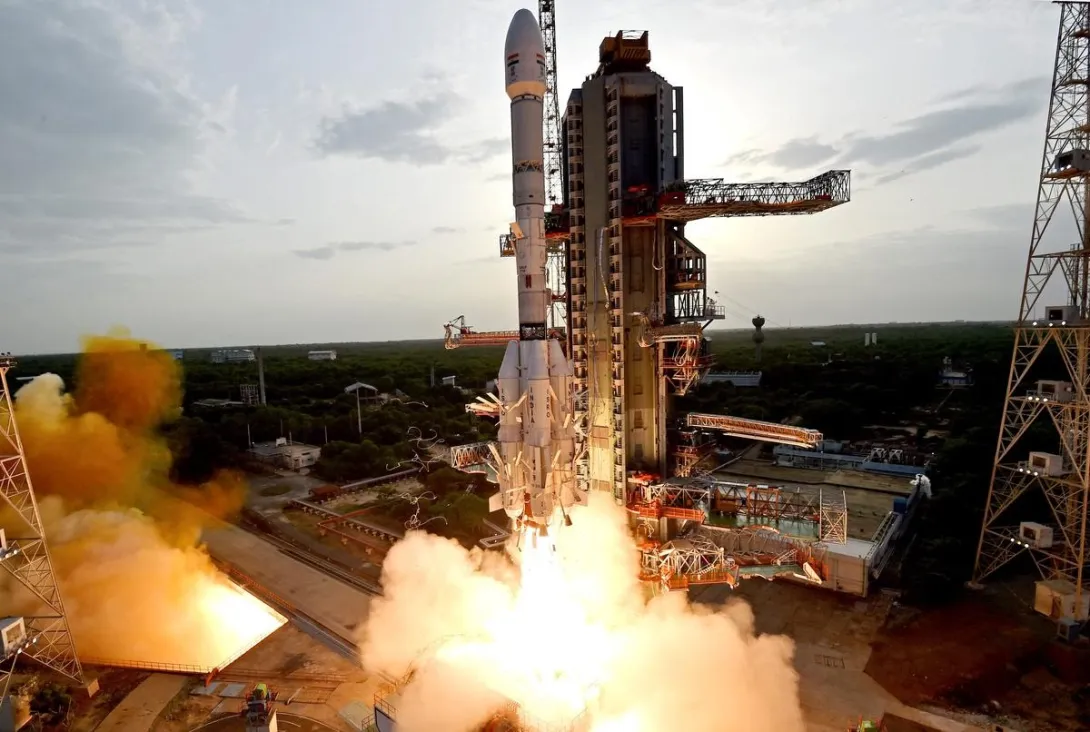
In a landmark step toward enhanced climate monitoring and disaster management, India has successfully launched a joint Earth observation satellite developed in collaboration with NASA. The satellite—part of the NISAR (NASA-ISRO Synthetic Aperture Radar) mission—is designed to deliver high-resolution, all-weather data on land and ice surface changes globally. This milestone represents not only a technological triumph but also a testament to deepening Indo-U.S. space cooperation. As the satellite begins its orbital journey, experts anticipate a new era of scientific advancement and practical applications for agriculture, infrastructure planning, and climate research.
Strengthening Bilateral Space Cooperation
The successful deployment of the NISAR satellite marks a significant chapter in the strategic space partnership between the Indian Space Research Organisation (ISRO) and the National Aeronautics and Space Administration (NASA). Developed jointly by the two agencies, NISAR combines advanced radar technologies from both countries to measure minute changes in the Earth’s surface, providing critical insights into climate change, natural disasters, and resource management.
India contributed the satellite’s launch vehicle and spacecraft bus, while NASA provided the radar payload and supporting instruments. This joint endeavor not only demonstrates shared scientific vision but also enhances both nations’ capabilities in Earth system science.
NISAR’s Capabilities and Applications
NISAR is equipped with a dual-frequency synthetic aperture radar system—L-band from NASA and S-band from ISRO—allowing it to penetrate cloud cover, observe at night, and collect data across diverse terrains. The satellite is expected to generate approximately 85 terabytes of data annually, offering precise measurements of phenomena such as glacial melt, soil moisture, deforestation, coastal erosion, and urban expansion.
These capabilities will support a wide range of civil and scientific applications. For instance, Indian agricultural agencies can use the data to optimize crop planning and irrigation strategies. Likewise, early warning systems for landslides or flooding can benefit from near-real-time updates provided by the satellite’s frequent coverage.
A Strategic Move in Climate Diplomacy
Beyond scientific goals, the mission also holds symbolic value in the broader geopolitical context. With climate resilience becoming a central theme in global diplomacy, India and the U.S. are using space collaboration to project leadership on sustainability and technological innovation. This launch aligns with India's national priorities on climate adaptation, disaster preparedness, and smart governance.
Moreover, the satellite’s data will be openly available to international researchers, reinforcing India's reputation as a responsible spacefaring nation contributing to global scientific commons.
Economic and Commercial Impact
The implications of the NISAR launch extend into the commercial and industrial sectors as well. Data from the mission could fuel new startups and business models in geospatial intelligence, precision agriculture, and infrastructure risk analysis. The Indian space ecosystem—bolstered by recent regulatory reforms and increased private sector involvement—stands to benefit from downstream applications of NISAR’s insights.
Additionally, the mission serves as a demonstration of India’s capabilities in complex satellite launches and international mission management, potentially attracting new global clients for ISRO’s commercial arm.
Conclusion
The launch of the India-NASA NISAR satellite underscores the growing intersection of space science, geopolitics, and economic development. By leveraging sophisticated radar technology and multinational expertise, the mission sets a high bar for collaborative Earth observation efforts. As the satellite begins transmitting transformative data back to Earth, both India and the world await the actionable intelligence it promises to deliver—at a time when informed decision-making on the environment has never been more critical.
Comments