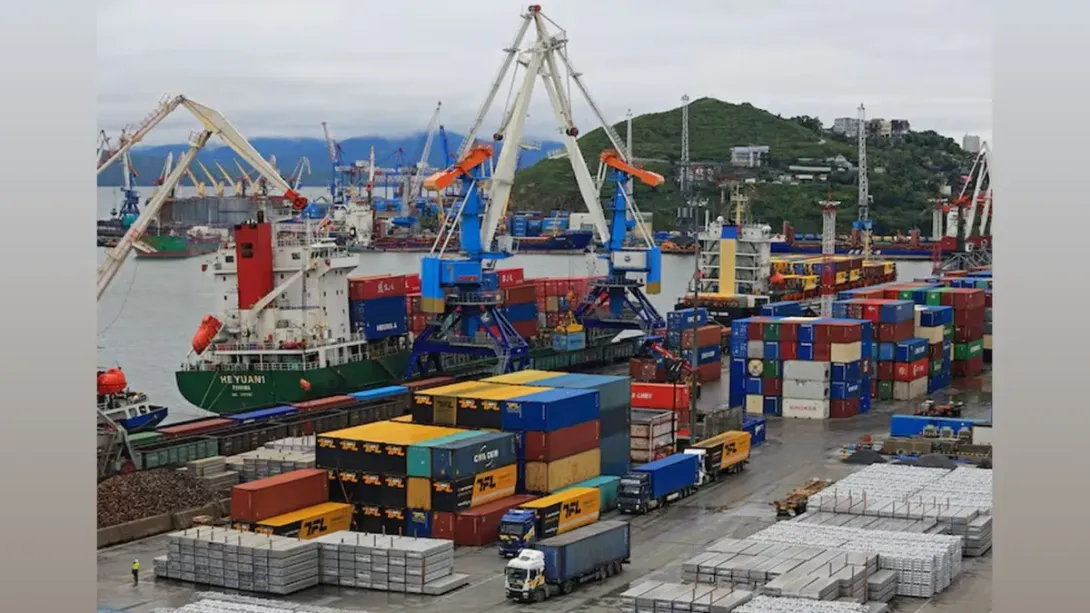
India and Canada are set to commence discussions on a comprehensive trade agreement, Union Commerce Minister Piyush Goyal confirmed. The pact aims to enhance bilateral trade, reduce tariffs, and strengthen investment flows between the two nations. Analysts highlight that the agreement could unlock significant opportunities in sectors such as agriculture, technology, pharmaceuticals, and services. With Canada seeking access to India’s large consumer market and India exploring opportunities in natural resources and technology collaboration, the negotiations signal a strategic partnership designed to boost economic growth, create jobs, and strengthen long-term bilateral relations amid evolving global trade dynamics.
Trade Negotiations on the Horizon
Union Commerce Minister Piyush Goyal stated that India and Canada will soon initiate formal talks for a bilateral trade agreement. The discussions will focus on reducing trade barriers, enhancing market access, and facilitating investment flows in key sectors.
Officials emphasized that both countries aim to create a mutually beneficial framework that balances domestic economic priorities with expanded global trade opportunities, reinforcing long-term economic ties.
Strategic Importance of the Pact
The proposed trade agreement holds strategic significance for both nations. For India, Canada represents a market with high demand for pharmaceuticals, IT services, and manufactured goods. For Canada, India’s large and growing consumer base, skilled workforce, and technological capabilities present substantial investment potential.
Analysts note that the agreement could also encourage collaboration in sectors such as renewable energy, advanced manufacturing, and education services, promoting diversified economic engagement.
Potential Economic and Sectoral Benefits
The trade pact is expected to facilitate tariff reductions, streamline regulatory processes, and create a more predictable investment environment. Agriculture, dairy, technology, and pharmaceutical sectors are likely to benefit from enhanced market access, while service sectors may see increased cross-border collaboration.
Economists suggest that increased bilateral trade could contribute to GDP growth, create employment opportunities, and strengthen supply chains across both nations.
Outlook and Global Trade Context
India-Canada trade talks come at a time when both countries are seeking to diversify trade partners and reduce dependency on traditional markets. The agreement aligns with broader strategic objectives to strengthen economic resilience, foster technological exchange, and attract foreign direct investment.
Comments