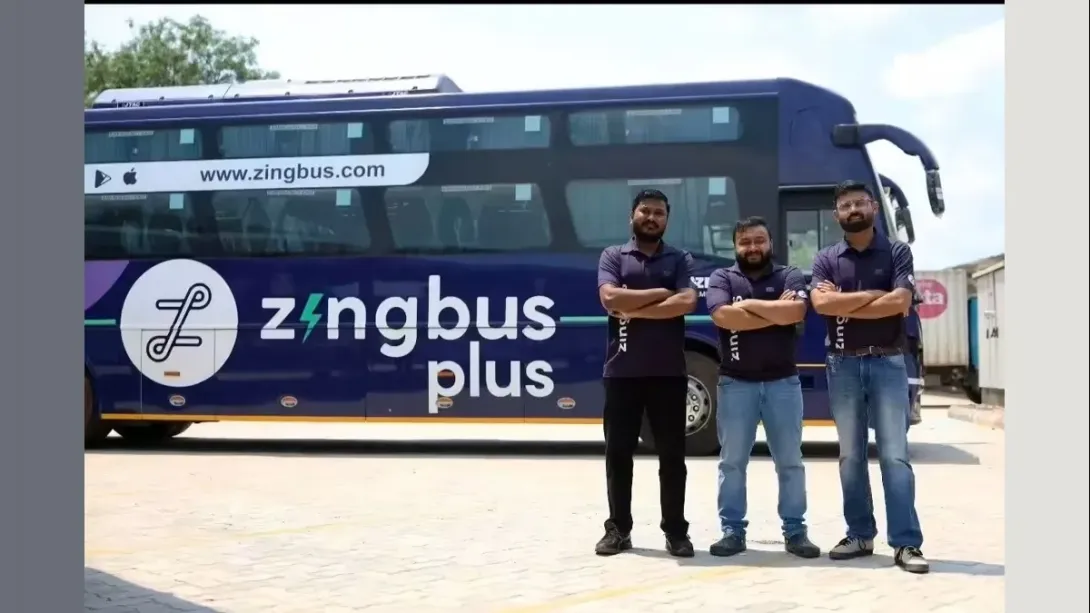
Intercity mobility startup zingbus has set an ambitious revenue target of Rs. 350 crore as it accelerates expansion across key travel corridors in India. The company is focusing on scaling its fleet, deepening route penetration and leveraging technology to improve operational efficiency and customer experience. The growth push comes amid rising demand for affordable, reliable intercity travel and increasing preference for organized mobility platforms. zingbus’ strategy reflects broader trends in India’s transportation sector, where digital-first operators are reshaping traditional bus services through data-driven pricing, better asset utilization and enhanced service standards.
Expansion Plans Drive Growth Ambitions
zingbus’ revenue target is closely tied to its aggressive expansion roadmap. The company plans to add new routes connecting major cities and emerging travel hubs, while also increasing frequency on high-demand corridors. By strengthening its presence in under-served markets, zingbus aims to capture incremental passenger traffic and improve load factors.
Management believes that route diversification will help stabilize revenues across seasons and reduce dependence on a limited set of high-traffic routes.
Technology-Led Operating Model
At the core of zingbus’ growth strategy is a technology-driven operating model. The platform uses data analytics to optimize pricing, predict demand and improve fleet utilization. Digital ticketing, real-time tracking and dynamic seat allocation have helped enhance customer convenience and operational transparency.
These efficiencies are critical in a cost-sensitive sector, where margins depend heavily on fuel prices, occupancy rates and turnaround times.
Market Tailwinds in Intercity Travel
The intercity bus segment has witnessed renewed momentum as travelers seek affordable alternatives to air and rail transport. Rising disposable incomes, improved highway infrastructure and increased urban mobility have supported demand growth.
Organised operators such as zingbus are benefiting from a shift away from unstructured services, as passengers increasingly value safety, reliability and standardized service quality.
Competitive Landscape and Profitability Focus
While competition in the mobility space remains intense, zingbus is positioning itself through consistent service standards and selective expansion. The company is also focusing on cost controls and partnerships with fleet owners to balance growth with profitability.
Industry analysts note that sustainable scaling, rather than rapid expansion alone, will be key to meeting topline targets in a sector known for thin margins.
Outlook for the Business
zingbus’ Rs. 350 crore revenue ambition underscores growing confidence in India’s intercity mobility market. If executed effectively, the expansion strategy could strengthen the company’s market position and improve unit economics over time.
As the sector continues to formalize, technology-led players with disciplined growth strategies are likely to emerge stronger. For zingbus, the coming months will test its ability to convert expansion plans into sustained revenue growth while maintaining service quality and financial discipline.
Comments