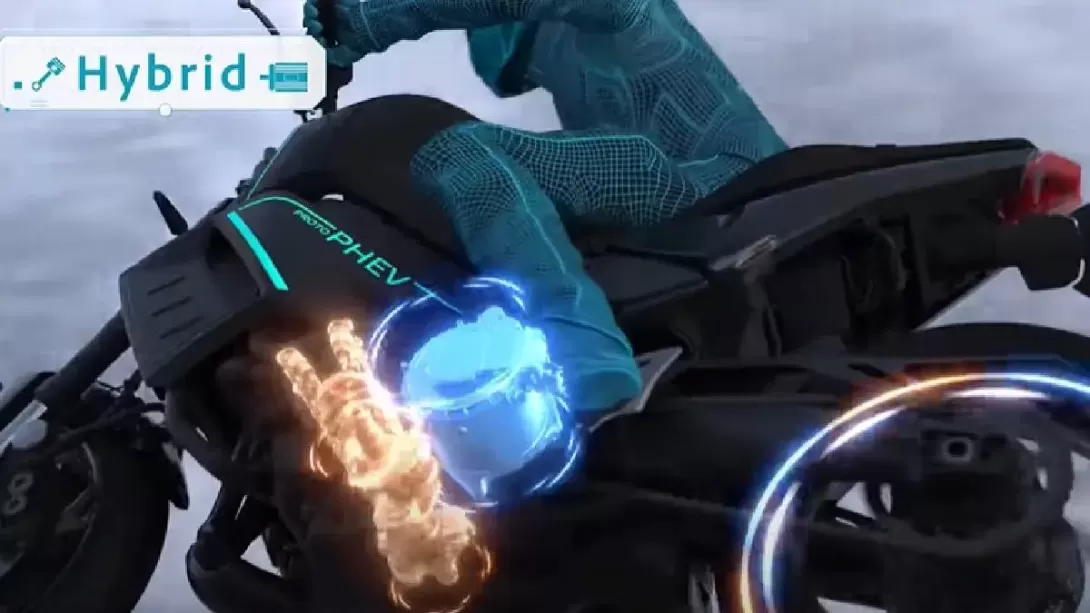
Yamaha is making waves with its latest innovation: a plug-in hybrid prototype based on its popular MT-09. This prototype combines the brand’s renowned 899cc triple-cylinder engine with an electric motor, offering a unique solution for eco-conscious riders. Capable of running in pure electric mode up to 30 mph and using both motors in tandem in hybrid mode, Yamaha's design promises reduced carbon footprint and cost efficiency. While details about the gearbox and integration remain sparse, this move signals a shift in the motorcycle industry towards a more sustainable future. Here’s a look at the implications of this game-changing development.
Yamaha’s Hybrid Prototype: A Glimpse into the Future of Motorcycling
Yamaha, known for its innovative engineering in the motorcycle industry, has announced a significant leap toward sustainable transportation with the unveiling of a plug-in hybrid prototype based on the MT-09. The company has hinted at a cutting-edge combination of an electric motor and its flagship 899cc triple-cylinder engine, a move that promises to marry the best aspects of electric and petrol-powered performance.
This new hybrid system is designed to allow for both electric-only operation and hybrid mode, where the two power sources complement each other. In electric mode, the bike can travel up to 30 mph, while hybrid mode seamlessly combines the efficiency of the electric motor with the performance of the petrol engine, offering an exciting and eco-friendly alternative to traditional motorcycles.
Innovative Design: Powertrain Integration and User-Friendly Features
The hybrid system has been integrated into the MT-09 platform, though Yamaha’s design plans remain somewhat elusive. While full details on the integration of the engine and electric motor are yet to be disclosed, a CGI diagram has shown the electric motor mounted behind the engine, situated between the rider’s legs. This layout appears to maintain the bike’s traditional design, a departure from other manufacturers who have favored more radical changes.
What sets Yamaha's prototype apart from competitors is its retention of the clutch lever and gear pedal, a key feature that aligns with traditional motorcycle experiences. Many hybrid motorcycles from manufacturers like Kawasaki have forsaken these elements, opting for automatic or semi-automatic transmissions, which leaves enthusiasts with fewer riding options. By maintaining a conventional gearbox, Yamaha preserves the visceral connection many riders enjoy with their motorcycles, making the hybrid experience feel more natural and engaging.
Performance: A Seamless Transition Between Electric and Petrol Power
According to the information released by Yamaha, the prototype will offer a smooth and efficient riding experience. When the bike comes to a stop, it can operate solely on electric power at speeds up to 35 mph in second gear, after which the petrol engine kicks in to boost performance. This hybrid model aims to optimize both fuel efficiency and performance, offering versatility for different riding conditions.
The ability to use electric power at lower speeds not only reduces fuel consumption but also contributes to lowering emissions in urban settings. When higher speeds are required, the petrol engine provides the necessary power, maintaining the thrill and performance expected from Yamaha motorcycles.
Cooling System and Design Adjustments for Hybrid Performance
To ensure that both the electric motor and the petrol engine perform optimally, Yamaha has made some crucial adjustments to the prototype’s design. The battery, which is situated in front of the rider, is complemented by larger air intakes to maintain proper cooling for the powertrain. In addition, the bike has been equipped with extra radiators on both sides to ensure that the combined heat generated by the dual power systems does not affect performance.
This attention to cooling and powertrain management is essential for the longevity and efficiency of hybrid vehicles, as overheating can lead to reduced battery life and engine performance. By incorporating these advanced cooling features, Yamaha is ensuring that the bike can perform consistently, whether in urban traffic or on long-distance rides.
Challenges in the Hybrid Motorcycle Market
While Yamaha’s innovation is exciting, the plug-in hybrid motorcycle market remains largely unexplored. High production costs have deterred many manufacturers from bringing plug-in hybrid electric vehicles (PHEVs) to market. As a result, hybrid motorcycles are still rare, and no company has successfully introduced a plug-in hybrid bike at a mass-market level.
In India, Yamaha has experimented with mild hybrid systems in models like the FZ and Ray Z, using small electric motors to assist during low-speed, stop-and-go traffic. However, the plug-in hybrid technology seen in the MT-09 prototype represents a significant leap, both in terms of powertrain complexity and cost.
Potential Impact in the Indian Market
Yamaha’s plug-in hybrid technology has not yet reached Indian shores, where the market for electric motorcycles is still in its nascent stages. However, given the growing interest in eco-friendly transportation and the Indian government's push towards electric vehicles, there is potential for this hybrid technology to find a market in India in the future.
The Indian motorcycle market is one of the largest in the world, and Yamaha’s entry into the hybrid space could pave the way for similar technologies in other models. As the cost of hybrid systems decreases and infrastructure for electric vehicles expands, we could see more hybrid options from Yamaha and its competitors.
For investors, this move is indicative of Yamaha’s commitment to sustainability and innovation. The company’s ability to adapt to the growing trend of eco-friendly transportation could translate into long-term gains, particularly as the global demand for electric vehicles increases.
Conclusion: Yamaha’s Vision for the Future of Motorcycling
Yamaha’s hybrid MT-09 prototype represents a bold and forward-thinking step in the evolution of the motorcycle industry. By combining the power and performance of a traditional petrol engine with the eco-friendliness and cost-efficiency of an electric motor, Yamaha is setting the stage for the next generation of motorcycles. While challenges remain in terms of cost and market readiness, the company’s efforts signal a growing trend toward sustainability in the two-wheeled sector.
For riders, this hybrid system offers a unique blend of old and new, preserving the traditional riding experience while embracing the future of electric mobility. As hybrid technology continues to evolve, Yamaha's approach could inspire the next wave of innovation, driving the motorcycle industry towards a greener and more versatile future.
Comments