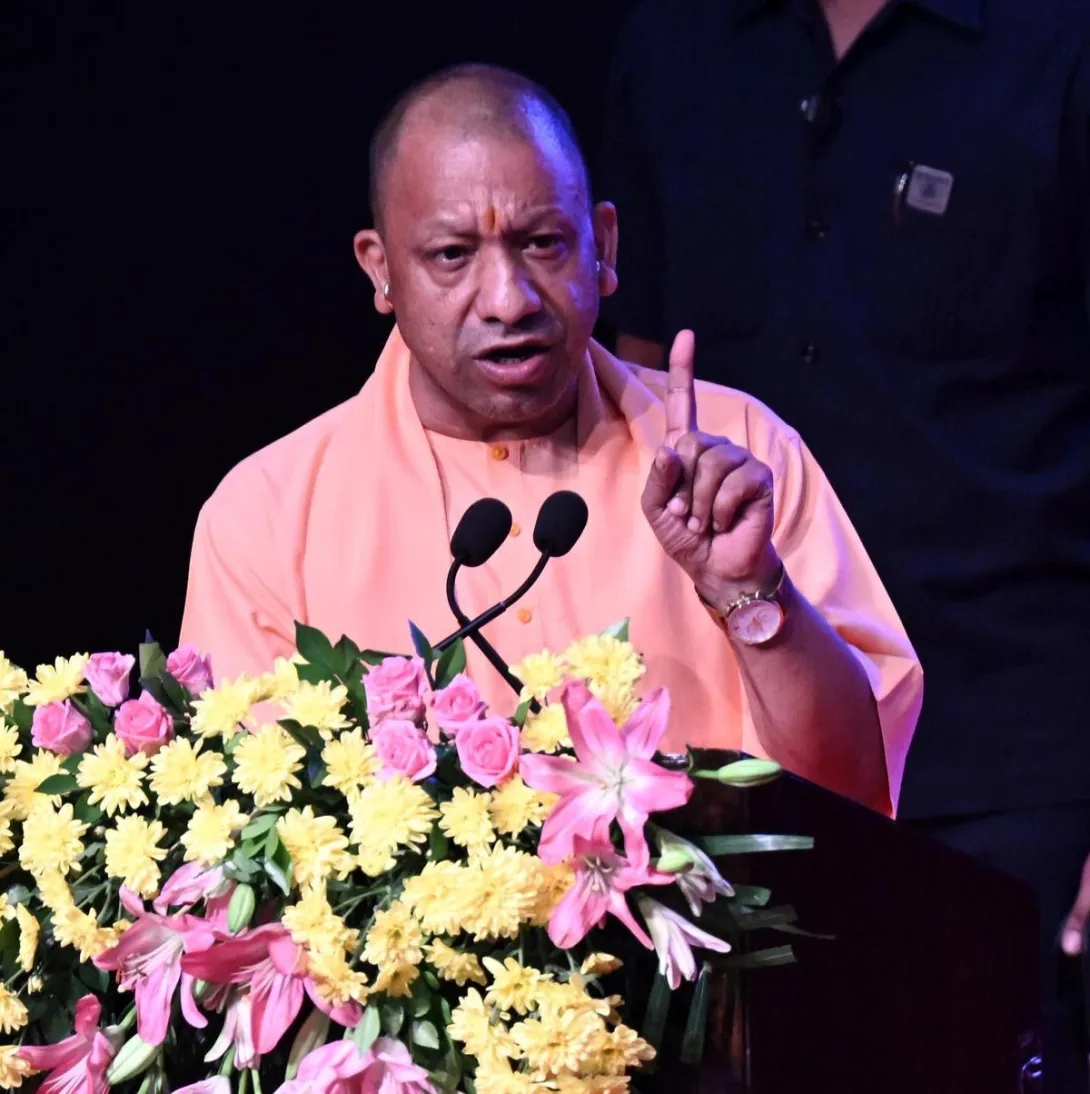
In a significant cultural and administrative move, Uttar Pradesh Chief Minister Yogi Adityanath has announced that the singing of ‘Vande Mataram’ will be made mandatory across all educational institutions in the state. The directive applies to government, private, and aided schools, as well as higher education centers, reinforcing the anthem’s role as a symbol of national unity and pride. The decision, described by officials as an effort to strengthen patriotic values among students, has sparked discussion across educational and political circles, reflecting the broader dialogue on nationalism, civic identity, and cultural education in India’s classrooms.
---
The Directive and Its Implementation
According to state officials, the directive mandates that all educational institutions—ranging from primary schools to universities—must include the singing of ‘Vande Mataram’ during morning assemblies or other formal gatherings. The Education Department has been instructed to circulate official guidelines to ensure uniform implementation across Uttar Pradesh’s 75 districts.
The Chief Minister emphasized that the anthem, written by Bankim Chandra Chattopadhyay, holds immense historical importance and serves as an enduring reminder of India’s struggle for independence. He reiterated that instilling national consciousness among students from an early age is essential to building a generation that respects the country’s heritage and democratic ideals.
Education officials have been asked to oversee compliance, while district inspectors will conduct periodic reviews to ensure the policy’s effectiveness. The government has also proposed integrating short lessons on the song’s historical context into moral and civic education modules.
---
Promoting Cultural Identity and Patriotism
During his address, CM Adityanath highlighted that ‘Vande Mataram’ transcends linguistic, religious, and regional boundaries, symbolizing the unity and cultural diversity of India. He stated that regular recitation of the song would “nurture emotional connection with the nation” and foster collective discipline and respect among students.
The state government views the initiative as part of a larger educational reform that emphasizes moral development alongside academic excellence. Officials noted that similar patriotic exercises, such as the national anthem and pledge, have long been integral to school routines, and the addition of ‘Vande Mataram’ aligns with this tradition.
The Chief Minister’s office also indicated plans to organize awareness drives and cultural programs celebrating India’s national symbols, aiming to blend traditional values with modern education frameworks.
---
Public and Political Reactions
The move has received mixed reactions from political observers and educators. Supporters have lauded the decision as a reaffirmation of India’s cultural identity and an effective tool to promote civic responsibility among youth. They argue that ‘Vande Mataram’ represents an inclusive expression of devotion to the motherland rather than any sectarian sentiment.
However, critics have cautioned against making patriotic expression compulsory, suggesting that such practices should stem from personal conviction rather than administrative enforcement. Some opposition leaders and social commentators have urged the government to focus equally on improving the quality of education, teacher training, and infrastructure.
Despite the debate, education experts agree that symbolic actions like these can shape collective consciousness—particularly when accompanied by inclusive teaching that encourages dialogue and understanding of India’s plural heritage.
---
Historical and Cultural Significance of ‘Vande Mataram’
Composed in 1870 and later featured in Bankim Chandra Chattopadhyay’s novel Anandamath, ‘Vande Mataram’ became a rallying cry during India’s freedom movement. The song, set to music by Rabindranath Tagore, was officially adopted as the national song of India and continues to hold a revered place in the nation’s cultural and political identity.
Its recitation has historically been associated with unity, resilience, and pride in India’s civilizational legacy. By institutionalizing its singing across educational institutions, Uttar Pradesh seeks to reintroduce these ideals to younger generations amid rapid social and technological change.
---
Conclusion: Blending Heritage with Education
The Uttar Pradesh government’s decision to make ‘Vande Mataram’ mandatory in all schools and colleges underscores an ongoing effort to weave patriotism and moral education into the state’s academic fabric. While debates around compulsion versus choice persist, the initiative highlights a renewed focus on values-based education—one that seeks to bridge India’s cultural past with its contemporary aspirations.
As schools prepare to implement the directive, the success of this initiative will depend not only on compliance but also on how effectively educators convey the song’s meaning as a shared symbol of unity, pride, and respect for the nation.
Comments