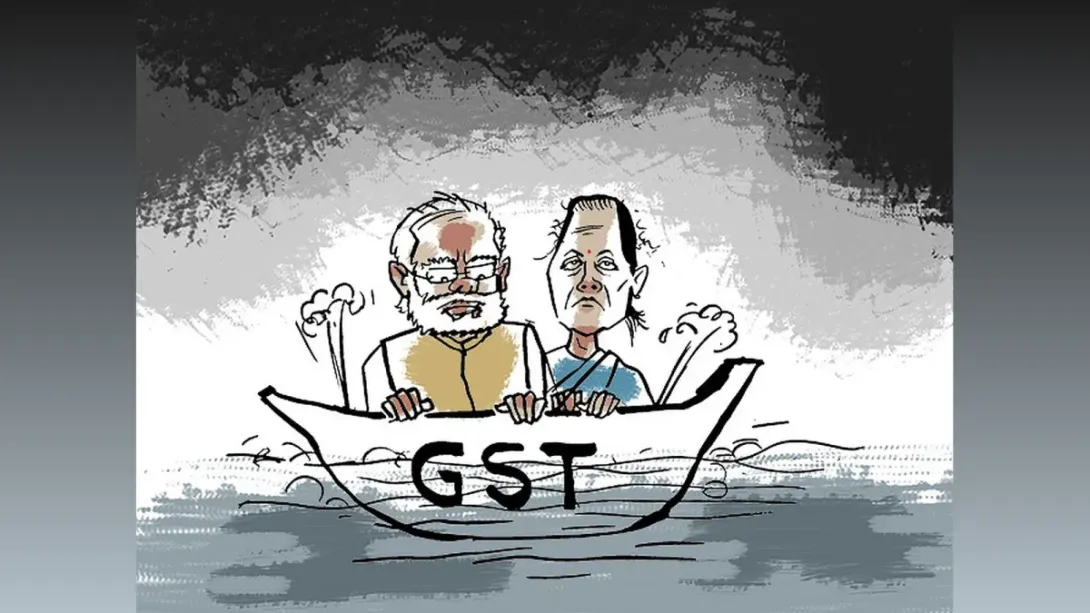
UltraTech Cement, India’s largest cement manufacturer, has received a goods and services tax (GST) demand notice amounting to Rs. 782.2 crore, bringing renewed attention to tax compliance and litigation risks within the manufacturing sector. The notice, issued by tax authorities, relates to alleged discrepancies in tax treatment over a specified period. While the company has stated that it is reviewing the matter and considering appropriate legal options, the development underscores the scale of regulatory scrutiny facing large corporates. Market participants will closely monitor the outcome, given its potential implications for financial provisions and investor sentiment.
Details of the Tax Demand
The GST demand notice pertains to a disputed tax liability of Rs. 782.2 crore, including applicable interest and penalties, according to regulatory disclosures. Tax authorities have reportedly raised questions over the classification and eligibility of certain input tax credits claimed by the company.
UltraTech Cement has maintained that it has complied with prevailing tax laws and that the demand is subject to interpretation. The company is expected to challenge the notice through established appellate mechanisms.
Company Response and Legal Options
In its response, UltraTech Cement indicated that it is in the process of examining the notice and will pursue remedies available under the law. Legal experts note that GST-related disputes often involve complex interpretational issues, particularly in sectors with large and diverse supply chains.
The company has not indicated any immediate financial impact, suggesting that it believes it has a strong case on merits. Any provisioning, if required, would depend on the progress of the dispute and legal advice.
Implications for the Cement Sector
The development highlights the broader compliance challenges faced by capital-intensive industries such as cement, where large volumes of input credits and inter-state transactions increase exposure to tax scrutiny.
Analysts point out that while such notices are not uncommon, the quantum involved draws attention to the need for greater clarity and consistency in GST implementation. The outcome could influence how similar cases are approached across the sector.
Market and Investor Perspective
From an investor standpoint, large tax demands typically introduce short-term uncertainty, even when companies contest them. However, seasoned market participants often distinguish between operational performance and contingent liabilities under dispute.
UltraTech’s strong balance sheet and market leadership may help absorb any near-term volatility, though clarity on the issue will remain a key factor in shaping sentiment.
Broader Regulatory Context
The GST regime continues to evolve, with authorities intensifying audits and enforcement as systems mature. While this has improved compliance, it has also led to an increase in high-value disputes involving major corporates.
The UltraTech Cement case underscores the importance of robust tax governance and proactive engagement with regulators. As the matter progresses, it will serve as a closely watched test of dispute resolution mechanisms within India’s indirect tax framework.
Comments