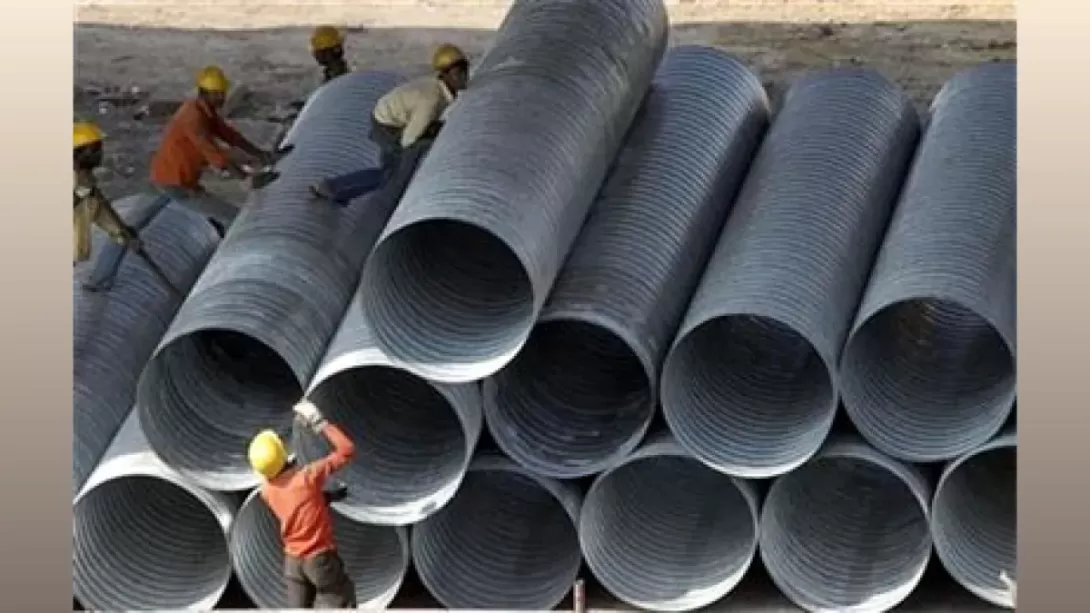
In a rare Saturday sitting, both Houses of the UK Parliament were recalled to discuss emergency legislation aimed at nationalizing British Steel. This legislative action, spearheaded by Prime Minister Keir Starmer, seeks to prevent the closure of blast furnaces at the company’s Scunthorpe plant, owned by the Chinese firm Jingye. With the future of British Steel at risk, the government plans to utilize taxpayer funds to secure the plant’s operations and negotiate a transfer of ownership. This move highlights the precarious position of the UK steel industry amidst global instability and internal corporate conflicts.
Emergency Legislation and Government Intervention
The British government has found itself in a critical position as negotiations over the future of British Steel with its Chinese owners, Jingye, reached a breaking point. Amid fears of the company’s collapse, Prime Minister Keir Starmer has called for an emergency parliamentary session, breaking from the Easter recess. The purpose is to vote on legislation that would grant the government powers to nationalize British Steel and prevent the closure of vital operations at its Scunthorpe plant, which is one of the largest steel-producing facilities in the UK.
Starmer has emphasized that this intervention is crucial for the preservation of jobs, economic stability, and national security. The Prime Minister’s move comes after months of contentious negotiations with Jingye, who own British Steel, regarding the continued operation of the plant. The Chinese firm had expressed intentions to cut costs by shutting down key parts of the operation, including blast furnaces that are critical to steel production. In response, Starmer and his government have mobilized to take drastic measures to safeguard the plant’s future.
The Financial Implications of Nationalization
The government’s proposal to nationalize British Steel would see public funds allocated to ensure the continued operation of the Scunthorpe plant. This is a significant intervention in the private sector, utilizing taxpayer money to provide raw materials and other support to the steelworks. While such a move may be seen as necessary to protect vital industries, it also raises important questions about the long-term sustainability of such interventions and the burden they place on public finances.
Jonathan Reynolds, the UK Business Secretary, defended the government's action, calling it "proportionate and necessary" to ensure the steelworks could continue operations. Despite negotiations with Jingye, Reynolds pointed out that the company had refused to purchase enough raw materials to keep the furnaces operational, leaving the government with no choice but to step in. The financial implications of the nationalization are significant, as the government prepares to provide temporary relief until a longer-term solution can be developed.
Political Reactions and Public Opinion
The nationalization of British Steel has sparked a strong political debate. The Labour government’s intervention has been met with criticism from the Conservative opposition, with Shadow Chancellor of the Duchy of Lancaster Alex Burghart accusing the government of mismanaging the negotiations. Burghart described the situation as a "total pig’s breakfast," reflecting the frustration of the opposition over the handling of the crisis.
Despite this, the government remains steadfast in its belief that taking control of British Steel is the only viable solution to prevent a catastrophic shutdown. The aim is to secure a private partner who can co-invest in the plant and ensure its long-term viability. In the interim, the government is implementing urgent measures to keep the plant operational, hoping to buy enough time to finalize a more permanent arrangement.
The Broader Implications for the UK Steel Industry
The crisis at British Steel reflects broader challenges facing the UK steel industry, which has long struggled with rising costs, competition from foreign markets, and environmental pressures. The nationalization of such a significant player in the industry underscores the fragility of the sector and the importance of maintaining domestic steel production capacity. A failure to resolve the current crisis could have far-reaching consequences, not only for the workforce at Scunthorpe but also for the wider UK manufacturing sector, which depends on a stable and competitive steel industry.
As global economic instability continues to affect trade and production, the UK government’s actions may serve as a model for future interventions in industries deemed vital to national interests. The decision to nationalize British Steel may also set a precedent for how the UK handles future corporate crises, particularly in strategic sectors like manufacturing and heavy industry.
Stock Market Impact and Economic Outlook
The nationalization of British Steel has significant implications for the company’s market value and its stakeholders. Jingye, the Chinese parent company, faces mounting pressure and reputational damage from the potential loss of control over British Steel. For investors, the uncertainty surrounding the company’s ownership and future operations may lead to volatility, as the UK government takes a more active role in managing the company’s affairs.
However, the intervention could also stabilize the situation in the short term, preventing the widespread disruption that would occur from a shutdown of the Scunthorpe plant. Investors may view this as a necessary action to protect the long-term viability of the steel industry in the UK, but questions remain regarding the government’s ability to successfully manage the transition and secure a private partner.
In the broader economic context, the nationalization of British Steel is part of a wider strategy to ensure the resilience of key industries in an era of heightened geopolitical risks and market uncertainty. As the UK grapples with these challenges, the government’s actions will be closely monitored by market participants, policymakers, and industry leaders alike.
Conclusion
The UK government’s move to nationalize British Steel represents a critical intervention to protect jobs, secure national interests, and prevent the collapse of a vital industrial sector. While the emergency legislation marks an unprecedented step, it is a response to the mounting pressure from global economic instability and corporate intransigence. As the situation unfolds, the government’s ability to manage the transition, find a private partner, and ensure the long-term success of British Steel will be key to restoring confidence in the UK’s manufacturing future.
Comments