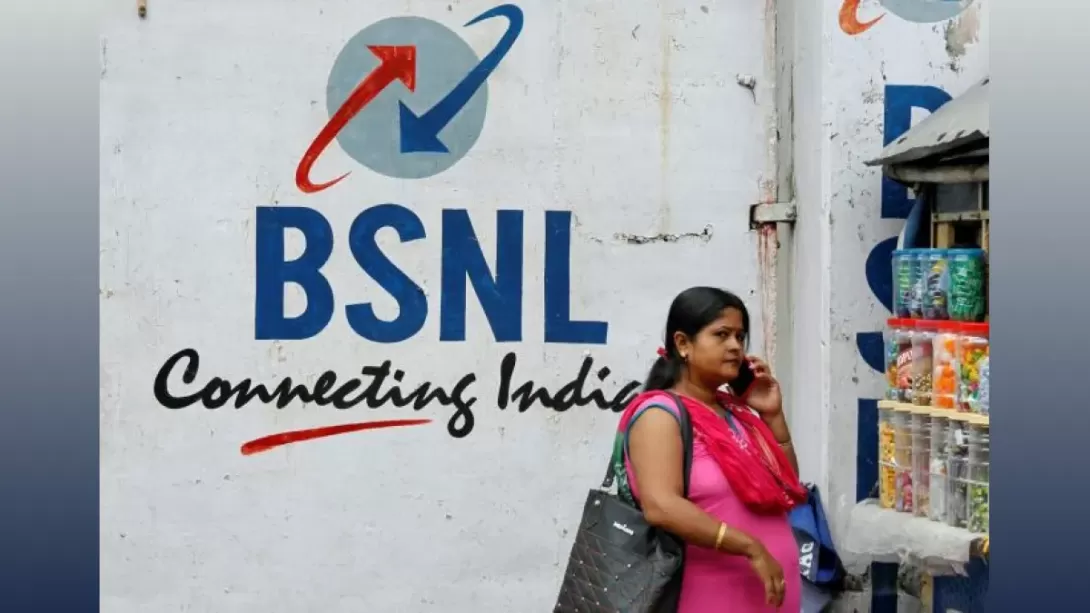
Tejas Networks, a prominent telecom gear provider under the Tata Group, has successfully completed the delivery of telecom equipment to BSNL for the installation of 1 lakh sites dedicated to 4G and 5G services. The project, awarded in August 2023, is hailed as one of the largest single-vendor RAN networks ever deployed globally. Despite facing a consolidated loss in the March quarter, Tejas Networks reported significant growth in revenue and profits for the year ending March 2025. The company’s strategic collaborations and expanding market presence position it as a key player in India’s telecom infrastructure sector.
Tejas Networks: A Major Player in India’s Telecom Landscape
Tejas Networks, a subsidiary of the Tata Group, has made significant strides in the Indian telecommunications market, particularly through its recent completion of a colossal project with Bharat Sanchar Nigam Limited (BSNL). The company successfully shipped over 100,000 telecom sites for the BSNL network, supporting the rollout of 4G and 5G services. This delivery, described by Tejas Networks CEO Anand Athreya as one of the largest single-vendor Radio Access Network (RAN) networks in history, was completed in record time, a remarkable achievement for the company and its partners.
The deal, valued at Rs. 7,492 crore, was won by Tejas Networks after rigorous trials as part of a consortium that included Tata Consultancy Services (TCS) and C-DoT. This partnership highlights Tejas Networks' growing prominence in India's telecom infrastructure development, which has become a key focus for the government and private sector alike.
The Strategic Importance of BSNL’s 4G and 5G Rollout
BSNL, a state-owned telecom operator, has long been absent from the 4G race, with private players such as Jio, Airtel, and Vi dominating the market. However, with the completion of this telecom equipment supply, BSNL is poised to launch its 4G services in June 2025, nearly a decade after the private sector rolled out their offerings. BSNL’s upcoming 4G network, followed by its planned 5G rollout, will provide much-needed competition in India’s telecom market, potentially altering the competitive landscape.
For Tejas Networks, this marks a significant milestone, as the company has now played a pivotal role in facilitating a government-owned telecom operator's modernization and expansion. The successful delivery of the BSNL project enhances the company’s reputation and opens doors to future collaborations with other major operators and government projects.
Financial Performance: Loss in the Short Term, Growth in the Long Term
Despite the major success with BSNL, Tejas Networks reported a consolidated loss of Rs. 72 crore in the March 2025 quarter. However, the company saw a 44% increase in revenue from operations, reaching Rs. 1,907 crore. Over the past year, Tejas Networks posted a remarkable improvement in its annual performance, with a multifold increase in profits and a more than threefold rise in revenue, totaling Rs. 8,923 crore for the year ended March 31, 2025.
This growth highlights Tejas Networks’ potential for future success despite short-term losses, driven by its expanding market footprint, new partnerships, and continued demand for telecom infrastructure upgrades. Investors and market analysts will be watching closely to see how the company continues to execute its growth strategy.
Strategic Partnerships and Future Outlook
In addition to its work with BSNL, Tejas Networks is forging new alliances to solidify its place in the global telecom landscape. Recently, the company signed a strategic technology collaboration agreement with NEC Corporation of Japan. This partnership aims to advance wireless technologies, radio access network (RAN) technologies, and core network solutions, strengthening Tejas Networks’ capabilities in providing state-of-the-art telecom infrastructure.
Furthermore, Tejas Networks secured a three-year contract with Vodafone Idea (Vi) in December 2024. This contract, which involves supplying telecom gear to enhance the backend network capacity of Vi across multiple circles, underscores the company’s growing importance in the telecom space. Tejas Networks has already completed Phase 1 of this project and is now looking ahead to additional contracts, including a potential follow-up deal with BSNL and a tender for the Rail Kavach train security project.
Positioning for Long-Term Growth
Tejas Networks continues to demonstrate resilience and foresight in expanding its role within the telecommunications sector. The company’s strategic focus on developing advanced technologies, expanding its customer base, and securing government contracts positions it well for long-term growth. The successful delivery of the BSNL project and its continued partnerships with global players such as NEC and TCS underline its technological prowess and market leadership.
Looking ahead, Tejas Networks is poised to capitalize on the growing demand for 5G infrastructure, telecom security, and modernization in both India and international markets. As the telecom sector undergoes a major transformation, Tejas Networks is set to be at the forefront, providing the critical infrastructure needed for the next generation of mobile and broadband services.
Conclusion: Tejas Networks' Role in India’s Telecom Future
Tejas Networks' recent accomplishments, including the completion of the BSNL telecom equipment supply project and its strategic collaborations with global tech giants, position the company as a key player in India’s rapidly evolving telecom market. Although the company is currently navigating short-term losses, its long-term growth prospects remain strong. With a robust portfolio of projects and partnerships, Tejas Networks is well-positioned to drive the future of India’s telecom infrastructure, potentially shaping the landscape for 5G and beyond.
Comments