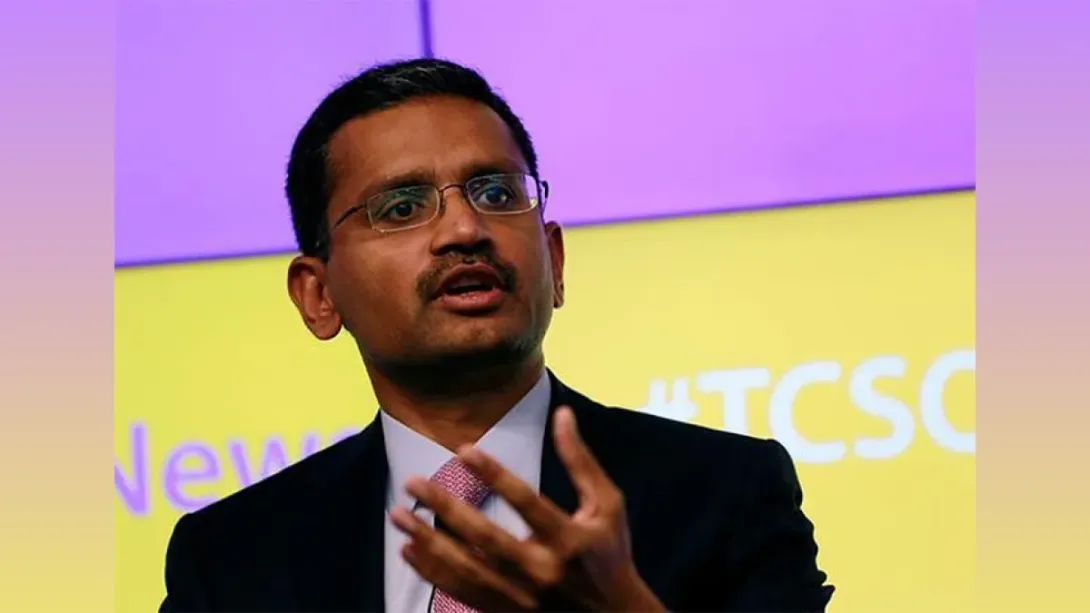
India’s largest IT services company, Tata Consultancy Services (TCS), has launched an AI-focused innovation centre in Singapore aimed at accelerating the digital transformation of small and medium-sized enterprises (SMEs) and start-ups. Located at Changi Business Park within TCS Asia Pacific headquarters, the new facility will support up to 60 local businesses over the next 12 months, offering access to cutting-edge artificial intelligence solutions, top-tier consulting expertise, and collaborative development frameworks. This initiative reinforces TCS’s long-standing presence in Singapore, while also advancing the city-state’s position as a leading regional technology hub.
A Platform for Inclusive AI-Driven Innovation
The TCS innovation centre is designed to foster collaboration between enterprises, start-ups, academia, and public sector entities. Up to 50 SMEs and 10 start-ups will be able to co-develop and test AI prototypes alongside TCS experts. This access to elite consulting talent and deep technological capabilities is particularly significant for Singaporean SMEs, many of which lack the in-house resources to harness the full potential of artificial intelligence and machine learning.
By democratizing access to AI innovation, TCS aims to level the technological playing field, enabling smaller firms to compete more effectively in digitally driven markets.
Driving Talent Development and Job Creation
As part of its broader commitment to local capacity building, TCS will hire up to 50 recent graduates from Singaporean universities, with a focus on high-demand roles such as data science, artificial intelligence, and cybersecurity. These new hires will support the centre's operations and contribute to a growing talent pool equipped to manage the complexities of next-generation digital technologies.
With over 6,600 employees currently based in Singapore, TCS has consistently invested in nurturing local expertise and deepening its ties with educational institutions to create sustainable talent pipelines.
Bridging the Innovation Gap for SMEs
According to Punit Agarwal, TCS Singapore Country Head, SMEs typically face barriers when accessing high-level consulting services for tech transformation. The innovation centre directly addresses this gap by providing hands-on engagement and strategic guidance to businesses that are often under-resourced yet eager to innovate.
“The innovation centre will partner with local and global corporations to accelerate their digital journeys,” Agarwal said. “By connecting businesses, start-ups, universities, and government agencies, the centre will become a catalyst for cross-sectoral innovation and collaboration.”
This ecosystem-based approach is aligned with Singapore’s national vision of fostering a Smart Nation, where innovation, resilience, and technology adoption are key pillars of economic growth.
Future Roadmap and Expansion Plans
Looking ahead, TCS has announced plans to expand the innovation facility in the first half of 2026, signaling strong confidence in the Singaporean market and its regional potential. As digital transformation continues to redefine industries, the centre will likely evolve into a hub for AI research, pilot programs, and regional solution deployment.
With an established presence in 55 countries and over three decades of operations in Singapore since 1985, TCS is uniquely positioned to facilitate multi-national collaboration, delivering tailored digital solutions at the intersection of technology, business, and policy.
Conclusion: Strategic Convergence of AI, Talent, and Local Empowerment
The launch of TCS’s AI Innovation Centre in Singapore represents more than a corporate expansion—it is a strategic investment in inclusive growth, technological empowerment, and cross-border innovation leadership. By equipping SMEs and start-ups with the tools and expertise to navigate the AI frontier, TCS is not only enhancing its own footprint but also contributing to Singapore’s national digital agenda.
As global enterprises seek agile, scalable, and ethical AI solutions, this centre could become a regional benchmark for collaborative technology enablement, driving real economic impact across Southeast Asia.
Comments