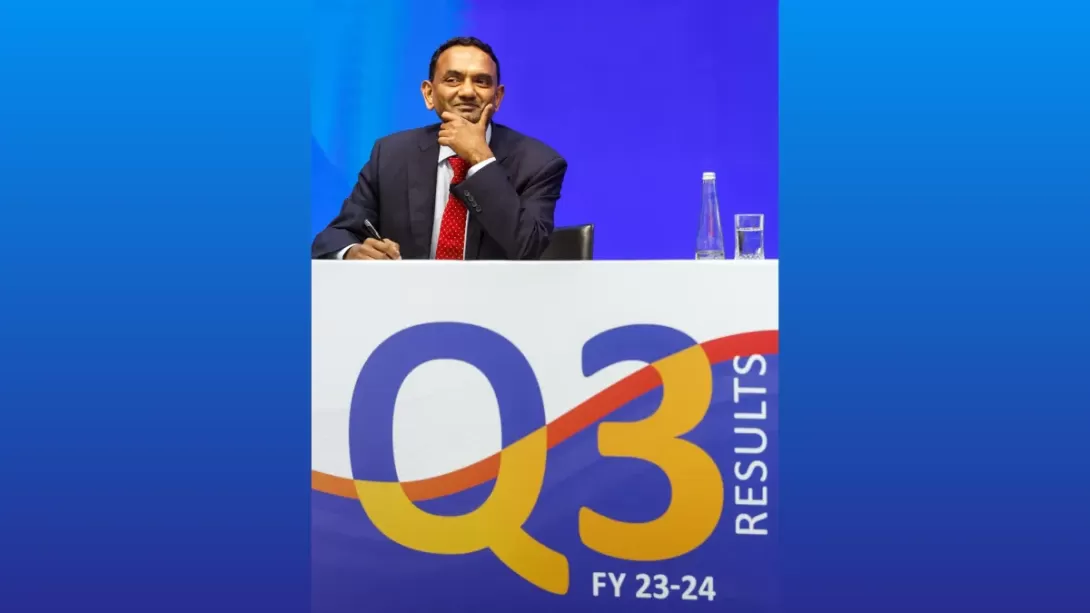
Tata Consultancy Services (TCS), India’s largest IT services firm, reported a 4.6% rise in CEO K Krithivasan’s total remuneration to Rs. 26.52 crore for the fiscal year 2024–25. This increase comes amid modest salary hikes for the broader workforce and a slight decline in research and development spending. TCS’s annual report also highlights trends in workforce composition, promotions, and global economic headwinds that may influence business operations going forward. As the technology landscape evolves, TCS navigates the delicate balance between executive leadership incentives, employee engagement, and strategic capital allocation.
Executive Compensation Sees a Measured Rise
TCS CEO and MD K Krithivasan received a total remuneration of Rs. 26.52 crore in FY25, marking a 4.6% increase from the previous fiscal year. This package included a base salary of Rs. 1.39 crore, Rs. 2.13 crore in benefits, perquisites, and allowances, along with a performance-linked commission of Rs. 23 crore. The compensation places Krithivasan’s earnings at approximately 330 times the median salary of TCS’s 6.07 lakh employees.
The company also disclosed that CFO Samir Seksaria’s remuneration grew by 7.8% during the year, reflecting the continued reliance on senior leadership to steer the company through a complex global IT environment.
Broad-Based Salary Adjustments and Workforce Promotions
While executive pay saw moderate growth, employee compensation experienced average increases ranging from 5.5% to 7.5%, inclusive of promotions. TCS reported that over 1.1 lakh employees were promoted during the fiscal, underscoring its commitment to career progression within its vast workforce.
Top-performing individuals in India reportedly received double-digit hikes, indicating a merit-based approach to compensation in a competitive talent landscape. The company’s workforce remains diverse, with women accounting for 35% or 2.14 lakh of total staff.
Decline in Research and Development Investment
Amid dynamic shifts in the global technology sector, TCS slightly reduced its spending on research and development. The company allocated Rs. 2,630 crore toward R&D and innovation in FY25, down from Rs. 2,751 crore the previous year. As a percentage of total revenue, R&D spending declined to 1% in FY25 from 1.1% in FY24.
This reduction may reflect a strategic rebalancing of investments amid broader cost optimization efforts, though it raises questions about long-term innovation capacity as AI, automation, and emerging technologies redefine the IT services landscape.
Organizational Developments and Governance Matters
TCS also announced that Aarthi Subramanian, appointed as president and chief operating officer, will receive a monthly salary of Rs. 10.8 lakh. The appointment is seen as part of the company’s long-term succession planning and emphasis on experienced leadership.
In matters related to workplace governance, the annual report revealed that 125 cases of sexual harassment were reported during the fiscal year, up from 110 in the previous year. As of March 2025, 23 complaints remain under investigation, reflecting the ongoing challenges in ensuring safe and inclusive workspaces at scale.
Outlook: Navigating a Complex Global Landscape
TCS management noted that the broader global economy faces headwinds due to persistent geopolitical tensions and policy volatility. However, the firm sees potential for recovery through proactive policymaking, increased global cooperation, and innovation-led growth.
In its outlook, the company emphasized that while risks such as demographic shifts, financial instability, and fiscal constraints remain, opportunities for long-term resilience exist. Clearer trade agreements and strategic investments in technology may provide the stability necessary for companies like TCS to maintain growth momentum.
Conclusion
TCS’s FY25 disclosures offer a multifaceted view into the internal dynamics of one of India’s most influential technology firms. As executive pay ticks upward and research budgets adjust, the company is clearly responding to both internal strategic imperatives and broader macroeconomic uncertainties. With an eye on long-term resilience and leadership continuity, TCS appears poised to navigate the shifting sands of the global IT ecosystem.
Comments