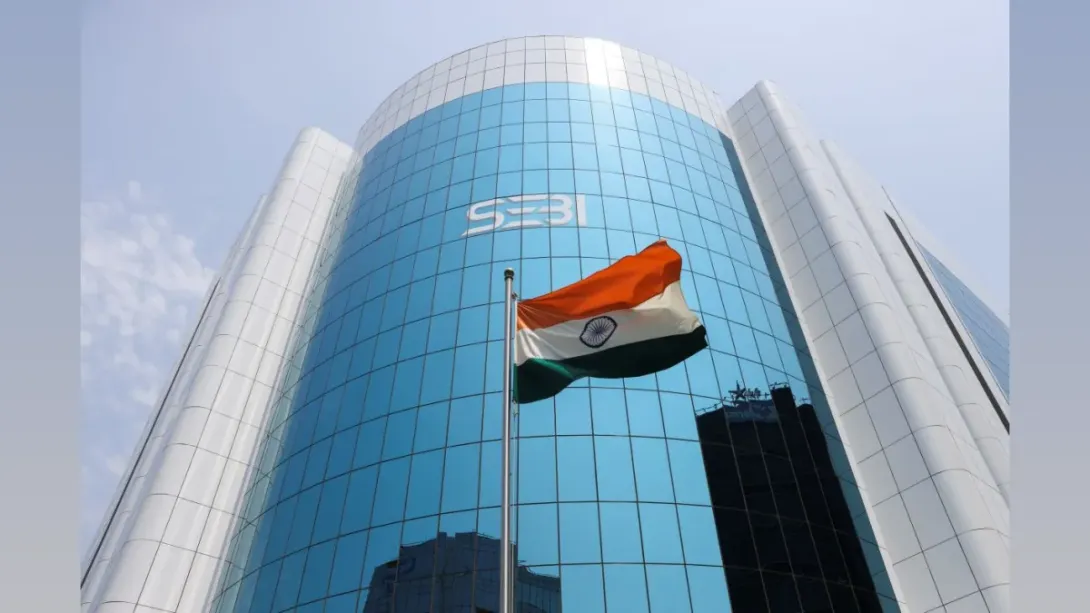
The Securities and Exchange Board of India (SEBI) has taken decisive action against 12 market participants involved in a front-running case, imposing fines totaling Rs. 90 lakh and barring them from securities market activities. Front-running—trading based on advance knowledge of large client orders—is considered a severe violation of market integrity. SEBI’s intervention reinforces regulatory vigilance and sends a strong message about adherence to fair trading practices. The ruling underscores the importance of ethical compliance and surveillance in India’s financial markets, aiming to protect investor confidence, ensure transparency, and deter manipulative trading practices.
SEBI Action Against Front-Running
SEBI identified 12 individuals engaged in front-running, where trades were executed ahead of large client orders to benefit from anticipated price movements. Such practices compromise market fairness and distort price discovery, violating securities regulations.
Penalties and Market Ban
The regulator imposed fines totaling Rs. 90 lakh and barred the individuals from participating in securities markets for a specified period. These measures are intended to prevent recurrence and reinforce accountability among market participants.
Implications for Market Integrity
SEBI’s action highlights the ongoing focus on maintaining transparent and equitable market conditions. Analysts note that strict enforcement of trading norms is crucial for investor confidence, especially in highly liquid and automated market environments.
Regulatory Oversight and Compliance
The case exemplifies SEBI’s surveillance capabilities and commitment to curbing market abuse. Firms and traders are encouraged to implement robust compliance frameworks, monitoring systems, and ethical trading practices to mitigate regulatory risks.
Outlook
The penalties serve as a cautionary precedent, demonstrating that manipulative trading activities will attract severe consequences. SEBI’s continued vigilance is expected to strengthen market governance, deter malpractices, and sustain trust in India’s capital markets ecosystem.
Comments