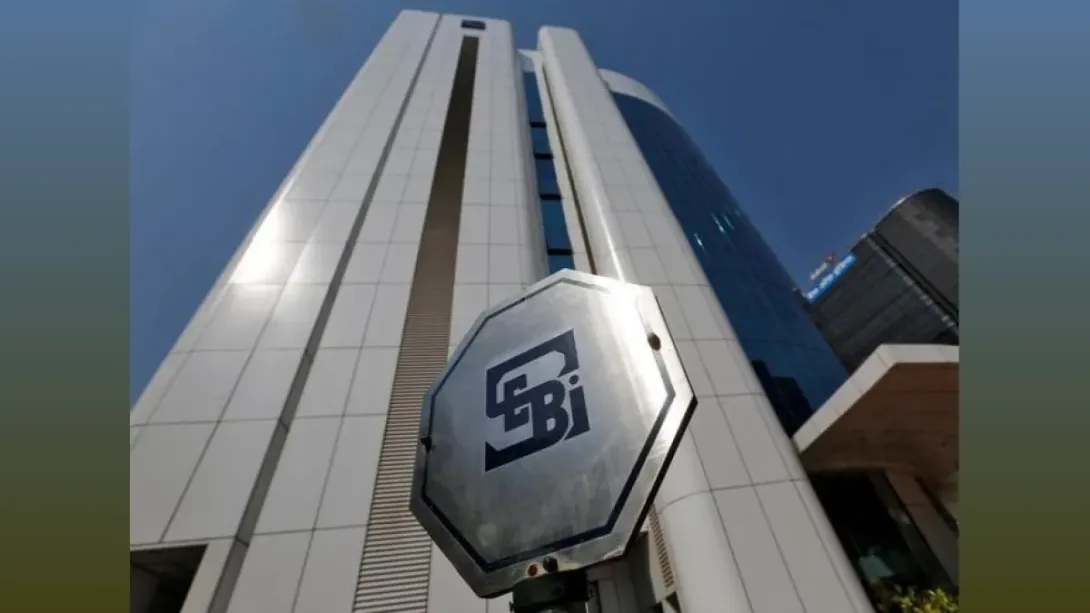
India’s securities market regulator has underscored the transformative potential—and emerging risks—of artificial intelligence in financial markets, calling for a forward-looking regulatory approach that evolves alongside technological innovation. The SEBI chief highlighted concerns surrounding algorithmic opacity, systemic vulnerabilities and data governance while reaffirming the regulator’s commitment to fostering innovation responsibly. As AI-driven trading models, surveillance systems and advisory platforms proliferate, policymakers face the dual challenge of enabling efficiency gains without compromising market integrity. The remarks signal a calibrated strategy: strengthening oversight mechanisms while ensuring India’s capital markets remain competitive in an increasingly digitized global financial ecosystem.
Regulatory Vigilance in the Age of Algorithms
The chairperson of the Securities and Exchange Board of India has cautioned market participants about the systemic implications of artificial intelligence, emphasizing that regulatory frameworks must adapt swiftly to technological acceleration.
Speaking at a financial industry forum, the SEBI chief acknowledged AI’s capacity to enhance efficiency in trading, compliance monitoring and investor services. However, she noted that algorithmic systems—particularly those operating at high frequency—can amplify volatility if left unchecked.
“Technology is a force multiplier,” the official said, underscoring the need for safeguards to prevent market distortions and unintended systemic consequences.
AI’s Expanding Role in Capital Markets
Artificial intelligence and machine learning are increasingly embedded in trading strategies, risk assessment tools and investor advisory platforms. From predictive analytics to automated portfolio management, AI applications promise cost efficiencies and improved data interpretation.
Yet the rapid adoption of algorithm-driven decision-making raises concerns around transparency, accountability and model governance. Black-box algorithms, regulators argue, can obscure risk concentration and complicate supervisory oversight.
SEBI has already implemented measures governing algorithmic trading, including approval processes and audit trails. The regulator now appears poised to reassess these frameworks in light of AI’s expanding capabilities.
Data Governance and Systemic Risk
A central theme in the SEBI chief’s remarks was data integrity. AI systems rely heavily on large datasets, making them vulnerable to biases, cybersecurity breaches and misuse of sensitive financial information.
Market experts suggest that without robust data governance standards, AI tools could inadvertently reinforce market inefficiencies or create unfair informational advantages. The regulator signaled that evolving compliance requirements may address data lineage, model validation and periodic stress testing of AI-driven systems.
The objective, officials indicated, is not to stifle innovation but to embed resilience into technological adoption.
Balancing Innovation and Investor Protection
India’s capital markets have experienced significant digital transformation over the past decade, driven by retail participation and fintech innovation. Policymakers are mindful that excessive regulatory rigidity could hinder competitiveness.
At the same time, investor protection remains a statutory mandate. The SEBI chief reiterated that regulatory evolution must be principles-based, adaptive and proportionate—ensuring technological advancement does not compromise fairness or stability.
Industry participants anticipate greater collaboration between regulators, exchanges and technology providers to establish best practices for AI deployment.
The Road Ahead
As AI reshapes financial ecosystems globally, regulators are grappling with similar challenges. SEBI’s proactive stance suggests India intends to remain aligned with international regulatory discourse while tailoring oversight to domestic market conditions.
Future guidelines may incorporate enhanced disclosure norms, algorithmic accountability standards and scenario-based risk assessments. The regulator’s emphasis on continuous evolution reflects recognition that static rulebooks are ill-suited to dynamic technological landscapes.
Comments