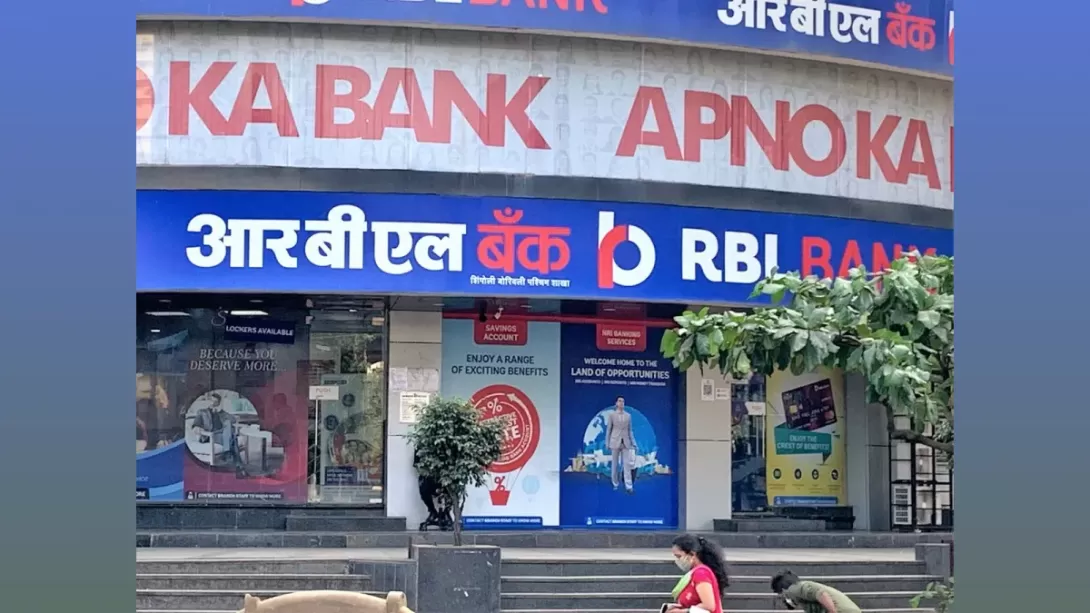
RBL Bank reported a dramatic 76% year-on-year decline in consolidated net profit for the January–March quarter, posting Rs. 86.99 crore, down from Rs. 364 crore a year earlier. The steep fall was attributed primarily to setbacks in its unsecured lending portfolio, particularly in microfinance and credit card segments. Elevated provisioning costs and a shrinking net interest margin further eroded profitability. Despite these challenges, the bank maintains a strong capital adequacy ratio and has outlined an ambitious growth strategy focused on secured retail lending and wholesale assets. However, investor sentiment reflected concern, with the stock closing over 5% lower on Friday.
Unsecured Lending Drags Down Quarterly Performance
RBL Bank’s Q4 financial results reflect the adverse impact of its aggressive exposure to unsecured lending. The lender, headquartered in Mumbai, posted a consolidated net profit of Rs. 86.99 crore, marking a staggering 76% drop compared to the Rs. 364 crore reported in the same period last year. This sharp decline was largely driven by higher provisions necessitated by rising delinquencies in its microfinance and credit card books.
The sequential performance showed a modest improvement over the Rs. 47 crore profit registered in the previous quarter (October–December), but the annual comparison paints a concerning picture for stakeholders.
Provisioning Surge Amid Rising Slippages
Total provisions for the quarter surged to Rs. 785 crore, up from Rs. 414 crore a year earlier. Of this, Rs. 479 crore was allocated for credit card losses and Rs. 472 crore for microfinance institution (MFI) exposures, signaling elevated stress in RBL’s unsecured asset portfolio.
Management indicated that the worst may be over, noting that the entire stock of non-performing microloans has now been provisioned for. Furthermore, 75% of loans overdue by more than 31 days have also been provided for, potentially reducing future provisioning burdens.
Gross slippages for the quarter amounted to Rs. 1,058 crore, a number that underscores the severity of asset quality deterioration, particularly within high-risk lending segments.
Net Interest Income and Margin Erosion
Core earnings from net interest income (NII) dropped 2% year-on-year to Rs. 1,563 crore, despite a 7% rise in net advances. The decline was due to a sharp compression in net interest margin (NIM), which fell to 4.89% from 5.45% in the previous year.
The bank attributed this margin squeeze to macroeconomic factors and anticipated further pressure over the next six months as monetary policy eases. A senior bank executive stated that the NIM is expected to stabilize by the end of the current fiscal year.
On a more positive note, non-interest income rose 14% to Rs. 1,000 crore, offering some cushion against weakening core profitability.
Growth Strategy and Capital Position
Despite short-term headwinds, RBL Bank is charting a growth-oriented path for FY2025. The lender aims for mid-to-high teen growth in total advances, with an emphasis on expanding secured retail lending by over 25%. Wholesale loan growth is expected to double to 12%.
CEO R. Subramaniakumar affirmed that the bank is committed to reshaping its lending mix to reduce risk and enhance resilience. The focus will be on “granularising” deposits and broadening the secured loan book.
Importantly, the bank’s capital adequacy ratio remains robust at over 15%, offering a buffer against current stress and eliminating the immediate need for capital infusion.
Investor Reaction and Market Outlook
RBL Bank shares reflected investor apprehension, declining 5.30% to close at Rs. 187.80 on the BSE—underperforming the broader market, which saw a 0.74% dip on the Sensex. The stock’s performance signals that markets are reacting negatively to asset quality concerns, despite reassurances from management regarding future provisioning stability.
The bank’s success going forward will depend heavily on its ability to curtail slippages, maintain margin discipline, and shift toward a more secure and diversified lending model. For now, the market remains cautious.
Conclusion
RBL Bank’s fourth-quarter results underscore the fragility inherent in high-yield, unsecured lending models, particularly during volatile economic cycles. With microfinance and credit card segments weighing heavily on its balance sheet, the bank faces a critical juncture. Yet with prudent capital management, a pivot toward secured assets, and a recalibrated growth strategy, RBL has outlined a clear path to recovery. Whether this strategic pivot can restore market confidence remains to be seen—but the foundation for a turnaround has been laid.
Comments