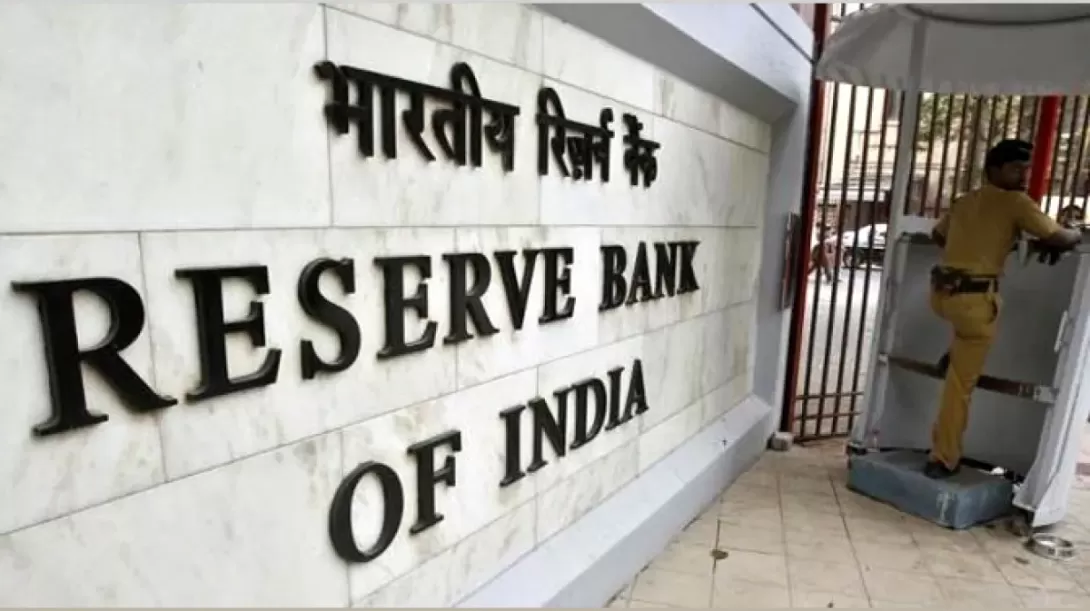
The Reserve Bank of India (RBI) has levied financial penalties on two institutions—Union Bank of India and Transactree Technologies Pvt. Ltd. (operating under the brand Lendbox)—for lapses in regulatory compliance. The Union Bank of India was fined Rs. 63.6 lakh for violations linked to agricultural lending norms and provisions of the Banking Regulation Act, 1949. Separately, Lendbox faced a Rs. 40 lakh penalty for failing to adhere to the RBI’s guidelines governing peer-to-peer lending platforms. The central bank clarified that these penalties reflect compliance deficiencies and are not judgments on any contractual dealings with customers.
Union Bank of India Penalized for Violations in Agricultural Lending
The Reserve Bank imposed a penalty of Rs. 63.6 lakh on Union Bank of India after identifying instances of non-compliance with regulatory requirements under the Banking Regulation Act, 1949. Specifically, the penalty pertains to violations involving the bank’s implementation of directives concerning collateral-free agricultural loans—a cornerstone of India’s rural credit policy aimed at ensuring accessible finance to farmers without stringent security requirements.
These infractions were discovered during a statutory inspection conducted by the RBI, which highlighted operational shortcomings in the bank’s adherence to credit norms. The penalty underscores the regulator’s continuing emphasis on enforcing discipline in priority sector lending and safeguarding the interests of small and marginal farmers.
Lendbox Sanctioned for Breach of P2P Lending Guidelines
Transactree Technologies Pvt. Ltd., better known by its brand name Lendbox, was fined Rs. 40 lakh for failing to comply with norms outlined in the RBI’s 2017 directives governing Non-Banking Financial Companies (NBFCs) operating peer-to-peer (P2P) lending platforms.
According to the central bank, the firm breached specific provisions of these guidelines, which were introduced to establish a transparent and secure framework for digital lending services. These rules cover a broad spectrum of compliance metrics, including risk assessment, disclosure protocols, and segregation of client funds. The RBI’s action signals increased scrutiny over fintech platforms as the sector experiences exponential growth amid rising digital adoption.
Regulatory Intent: Ensuring Systemic Integrity, Not Invalidating Deals
In both instances, the RBI clarified that the imposed penalties are strictly administrative in nature. They stem from regulatory deficiencies and should not be construed as casting doubt on the validity of any transactions or agreements between the penalized entities and their clients.
This distinction is vital for maintaining market confidence and legal clarity. It underscores the central bank’s approach of reinforcing regulatory compliance without undermining contractual sanctity or eroding customer trust.
Conclusion: A Reminder of the RBI’s Compliance-First Mandate
The twin penalties reflect the RBI’s continued resolve to uphold regulatory standards and enforce accountability across both traditional banks and emerging fintech platforms. As financial systems become more complex and digitized, institutions—regardless of scale or structure—are expected to operate with precision, transparency, and adherence to prescribed norms. These actions serve as a reminder to all stakeholders that regulatory compliance is not merely procedural, but fundamental to financial stability and consumer protection in India’s evolving economic landscape.
Comments