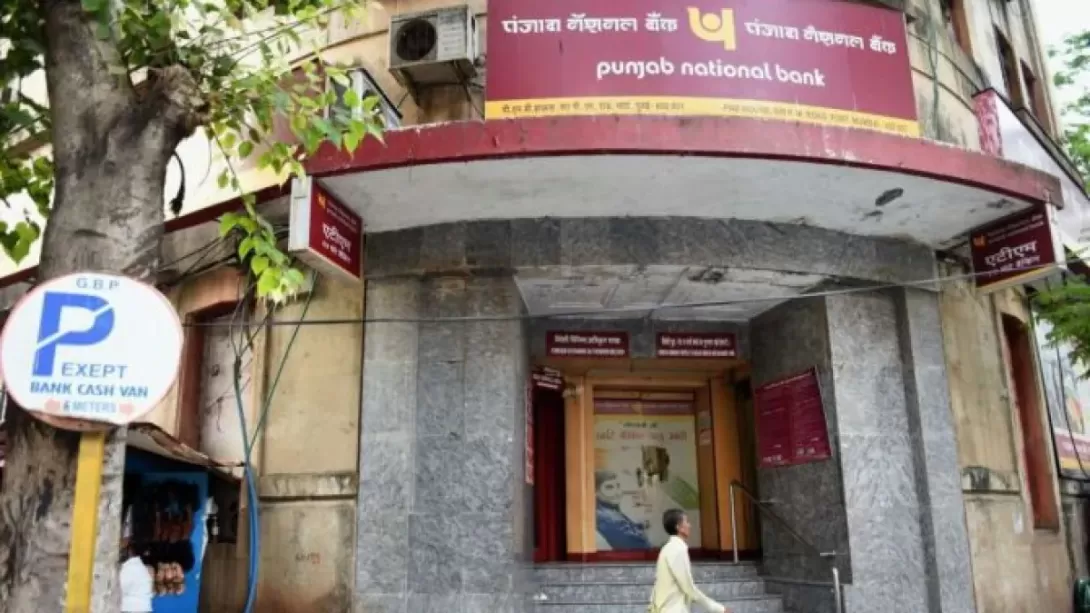
Punjab National Bank (PNB), India’s second-largest state-owned lender, is charting an ambitious course for fiscal year 2025–26 with a targeted recovery of Rs 16,000 crore and a sharp focus on containing slippages below 1%. The bank, which posted a staggering 102% year-on-year profit growth to Rs 16,630 crore in FY25, attributes its robust financial performance to prudent asset management and strategic expansion in the retail, agriculture, and MSME (RAM) segments. With plans to increase RAM lending to 58% of its loan book, PNB is positioning itself to navigate the impact of potential interest rate cuts and maintain profitability through operational resilience and credit quality enhancement.
Recovery Drive Takes Center Stage
As part of its strategy to sustain profitability and improve asset quality, PNB has set an ambitious recovery target of Rs 16,000 crore for FY26, a notable increase from the Rs 14,336 crore achieved in FY25. The bank’s top executive, Managing Director and CEO Ashok Chandra, emphasized that maximizing recovery and minimizing fresh slippages remain top priorities for the current fiscal.
During the fourth quarter alone, PNB secured Rs 4,733 crore in recoveries. The bank now aims to maintain a quarterly recovery run rate of at least Rs 1,500 crore, particularly through technical write-offs—a segment that holds considerable potential for contribution to the bottom line.
The technical write-off portfolio stands at approximately Rs 91,000 crore, backed by a provision coverage ratio exceeding 96%. Recoveries from this segment flow directly into the bank’s profit, providing a significant boost to financial performance.
Slippages Contained Below 1%
PNB ended FY25 with an overall slippage ratio of just 0.73%, demonstrating effective credit risk management. The bank aims to continue this trend in FY26, projecting quarterly slippages in the range of Rs 1,500 crore to Rs 1,700 crore. With fewer large non-performing assets (NPAs) on the books, attention has now shifted to mid-sized accounts—ranging from Rs 25 crore to Rs 50 crore—where recovery opportunities are still considerable.
This tactical shift reflects a maturing loan book and a sharper operational focus on granular recoveries, which are key to maintaining asset quality in a softening interest rate environment.
Expanding RAM Lending for Stability
To further insulate its portfolio from corporate rate volatility and ensure more predictable income streams, PNB is aggressively pushing to expand its RAM lending base. The bank closed FY25 with outstanding RAM loans totaling Rs 6.02 lakh crore—comprising 56% of its total loan book. For FY26, it aims to push this share to 58%.
According to Chandra, increasing RAM penetration will provide a buffer against the declining yields from corporate and repo-linked lending rate (RLLR) loans. The expansion will also be supported by targeted loan outreach initiatives, particularly in agriculture and small business financing.
This strategic rebalancing towards retail and priority sectors aligns with broader financial inclusion goals and helps mitigate concentration risk in large corporate exposures.
Record Profit Growth Sets New Benchmark
In FY25, PNB delivered a standout financial performance, emerging as the fastest-growing public sector bank by profit among its peers. The lender more than doubled its net profit to Rs 16,630 crore, up from Rs 8,245 crore the previous year—a growth of 102%.
The bank also recorded a 14% increase in total business, which stood at Rs 26.83 lakh crore, placing it among the top performers in India’s banking sector. This performance was driven by a combination of improved asset quality, better recoveries, disciplined cost control, and a balanced approach to loan book expansion.
Outlook: Navigating Rate Cycles and Enhancing Resilience
With the Reserve Bank of India signaling a cautious stance on future rate movements, banks like PNB are recalibrating their strategies to balance yield compression with asset growth. The focus on RAM lending and enhanced recoveries is expected to support PNB’s profitability, even as the macroeconomic environment evolves.
The bank’s disciplined approach to credit quality, coupled with targeted recovery from technical write-offs, positions it well for FY26. If successful in its Rs 16,000 crore recovery plan and slippage control, PNB could reinforce its reputation as a resilient performer among India’s public sector banks.
Conclusion
Punjab National Bank’s forward-looking strategy, marked by aggressive recoveries and a calibrated shift toward the RAM segment, reflects a mature response to evolving banking dynamics. With strong profit momentum and a well-capitalized balance sheet, PNB appears well-poised to navigate fiscal year 2025–26, delivering not only on shareholder expectations but also on its commitment to financial inclusion and systemic stability.
Comments