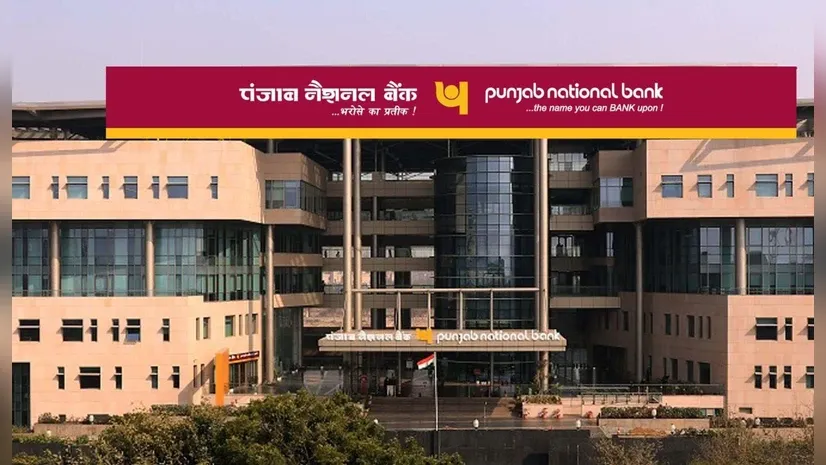
Punjab National Bank (PNB) has reported an alleged fraud connected to the former promoters of SREI Infrastructure Finance and SREI Equipment Finance, adding another layer of scrutiny to one of India’s most high-profile corporate distress cases. The disclosure follows internal reviews and regulatory reporting requirements, underscoring the banking sector’s heightened focus on legacy exposures and accountability. While investigations are ongoing, the development highlights persistent vulnerabilities in lender oversight during the previous credit cycle. Market participants view the move as part of a broader clean-up of stressed assets, reinforcing transparency, governance discipline, and regulatory compliance across the financial system.
Fraud Disclosure by PNB
State-owned Punjab National Bank has informed authorities about a suspected fraud involving erstwhile promoters of the SREI group. The bank, acting in line with regulatory norms, classified the account as fraudulent after examining past transactions and credit exposure linked to the troubled non-banking financial companies.
Background of the SREI Case
SREI Infrastructure Finance and its equipment financing arm were once prominent players in infrastructure and asset financing. However, prolonged liquidity stress, governance concerns, and mounting defaults eventually led to insolvency proceedings. The companies have since been under resolution, with lenders attempting to recover dues through court-supervised processes.
Regulatory and Legal Implications
By reporting the matter, PNB has triggered potential investigations by enforcement agencies. Banking experts note that such disclosures are critical for fixing accountability and preventing the recurrence of similar practices. Fraud classification can also pave the way for criminal proceedings and asset recovery actions against individuals found culpable.
Impact on the Banking Sector
The case underscores the challenges public sector banks continue to face from legacy bad loans. Analysts say the move reflects a stricter stance by lenders, driven by regulatory pressure and lessons learned from past credit excesses. It also signals that banks are increasingly willing to revisit old accounts where governance lapses may have occurred.
Broader Significance
PNB’s action fits into a wider effort to strengthen risk management and transparency in India’s financial system. As banks intensify scrutiny of stressed exposures, such cases are likely to shape future lending standards, reinforce due diligence practices, and bolster confidence among investors and depositors alike.
Comments