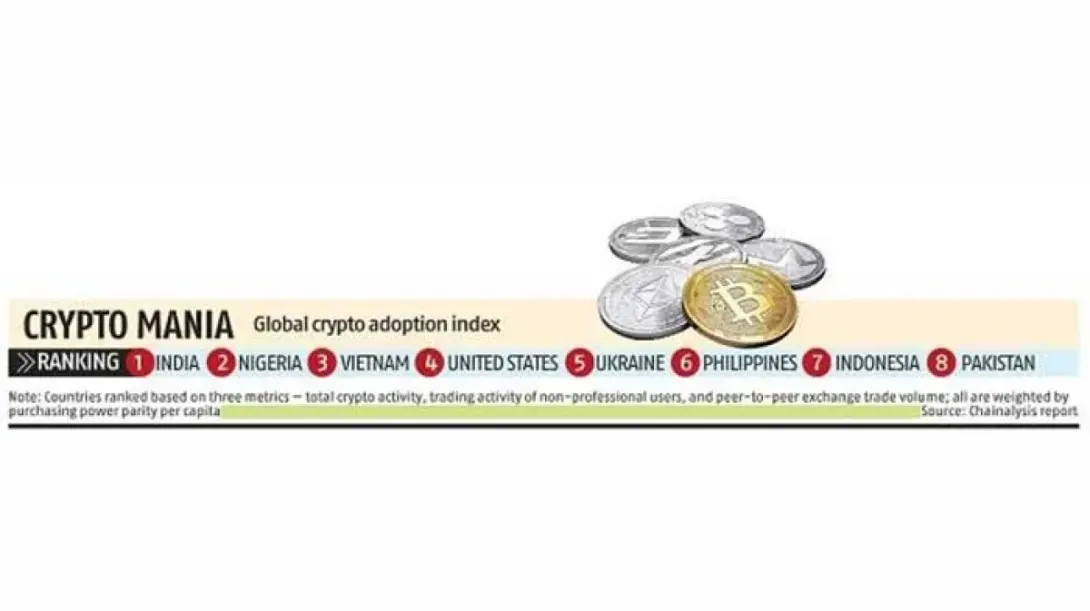
In a significant policy shift, Pakistan is moving swiftly toward formalizing cryptocurrency adoption as part of its broader digital finance strategy. With global interest in decentralized finance (DeFi) surging and traditional financial systems under pressure, the country’s leadership is embracing blockchain technology to modernize its financial architecture. Key regulatory bodies have begun outlining frameworks for crypto exchanges, virtual asset service providers (VASPs), and investor protection measures. The move reflects Pakistan’s ambition to diversify its digital economy, attract foreign investment, and offer new avenues for financial inclusion—especially in a nation where large segments remain unbanked.
---
A Strategic Pivot Toward Blockchain Finance
After years of caution and regulatory ambiguity, Pakistan appears to be realigning its financial priorities in favor of digital assets. Spearheaded by the Ministry of Information Technology and the State Bank of Pakistan, this push aims to position cryptocurrency within a structured, legally compliant ecosystem.
Previously viewed with skepticism, virtual currencies are now seen as potential enablers of cross-border remittances, digital commerce, and fintech innovation. The shift also aligns with the country’s broader ambitions to digitize government services and reduce reliance on cash-based transactions, a significant challenge in Pakistan’s informal economy.
---
Regulatory Framework Takes Shape
Regulatory clarity is emerging as the cornerstone of this transformation. The Securities and Exchange Commission of Pakistan (SECP) and other financial bodies are reportedly drafting comprehensive guidelines to oversee the issuance, trading, and custody of digital assets.
These proposed regulations aim to balance innovation with risk mitigation—addressing concerns such as anti-money laundering (AML), consumer data protection, and the prevention of fraud. Initial proposals are expected to include licensing mechanisms for crypto exchanges, Know Your Customer (KYC) norms for users, and detailed reporting obligations for virtual asset service providers.
This regulatory evolution marks a fundamental departure from earlier bans or severe restrictions that placed Pakistan behind in the global crypto race.
---
Driving Financial Inclusion and Digital Transformation
One of the key motivations behind Pakistan’s crypto pivot is the promise of broader financial inclusion. With more than 100 million unbanked citizens and limited access to conventional financial institutions, digital currencies offer a more accessible alternative to traditional banking.
Cryptocurrency wallets and peer-to-peer platforms can provide cost-effective and decentralized financial tools, especially for rural populations and micro-entrepreneurs. Additionally, blockchain-based solutions could streamline government-to-person (G2P) disbursements, such as subsidies and pensions, by minimizing leakages and increasing transparency.
Such developments could have transformative effects on financial literacy, entrepreneurship, and poverty alleviation if implemented with the right safeguards.
---
Economic Pressures and Geopolitical Influence
Pakistan’s embrace of crypto technology is also influenced by external economic pressures. With limited foreign exchange reserves, a weakening currency, and constraints on capital flows, cryptocurrencies could provide an alternative financial channel—particularly for remittances, which contribute over Rs. 7.6 lakh crore annually to the national economy.
Furthermore, the growing adoption of digital currencies in neighboring and peer economies—such as the United Arab Emirates and India—has created competitive pressure on Pakistan to modernize its monetary tools. By engaging in controlled crypto experimentation, Pakistan may also attract global blockchain startups and fintech investors looking for high-growth, underpenetrated markets.
---
Challenges Ahead: Infrastructure, Education, and Trust
Despite the momentum, several challenges persist. Infrastructure limitations, such as patchy internet access and low smartphone penetration in remote areas, could slow crypto adoption. Cybersecurity risks and the potential for digital fraud remain critical concerns, particularly in a low-regulation environment.
Another major barrier is public awareness. Without a coordinated national education strategy, both consumers and small businesses may remain wary of digital assets. Ensuring trust in blockchain-based finance will require extensive outreach, robust consumer protection laws, and collaboration between regulators and the private sector.
---
Conclusion: A Measured Leap Into the Future
Pakistan’s fast-tracked entry into the crypto economy represents a bold but calculated response to evolving global financial trends. While the journey is fraught with regulatory, technological, and cultural hurdles, the rewards—greater financial inclusion, investment inflows, and digital competitiveness—are compelling.
As the country charts this new course, its ability to harmonize innovation with institutional safeguards will determine whether it becomes a regional leader in decentralized finance or another cautionary tale in the volatile world of crypto. What’s clear, however, is that Pakistan is no longer content to remain a spectator in the global digital economy.
Comments