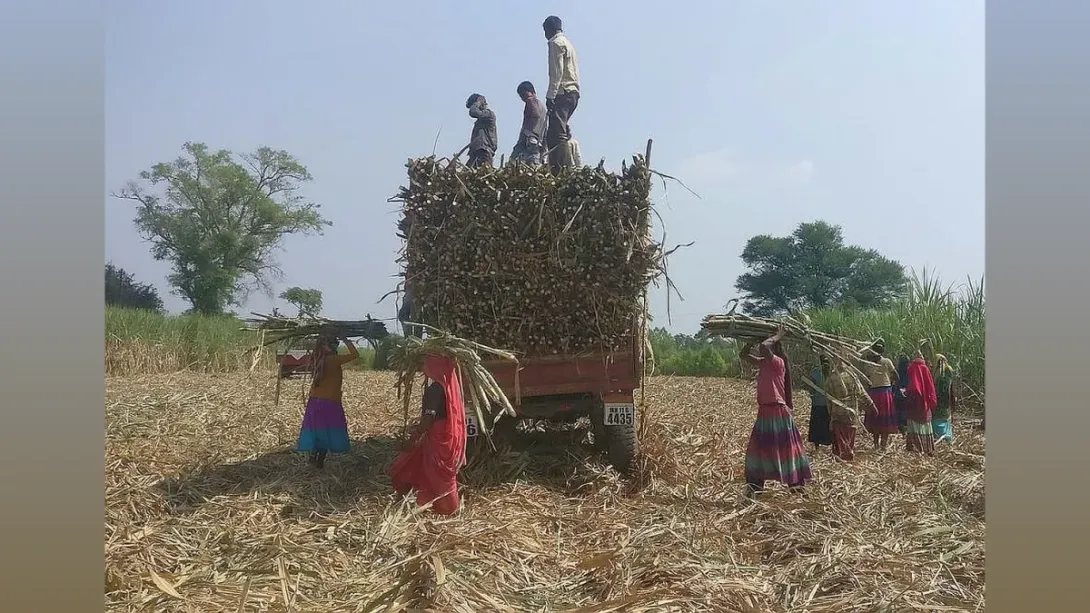
In a significant policy move aimed at bolstering farmer incomes and sustaining rural demand, the Uttar Pradesh government has announced a hike in the state advisory price (SAP) of sugarcane for the 2025–26 crushing season. The increase, which follows extensive consultations with farmer bodies and industry representatives, is expected to strengthen the economic viability of sugarcane cultivation amid rising input costs. The revision also aligns with the state’s objective to maintain competitiveness in sugar and ethanol production, key pillars of its agrarian and industrial economy. However, millers caution that higher procurement prices could tighten margins in a market already under pressure.
Sugarcane Price Hike: A Boost to Rural Incomes
The Uttar Pradesh government has increased the State Advisory Price (SAP) for sugarcane for the 2025–26 crushing season, marking another step in its long-standing policy of supporting farmers through guaranteed pricing. The new SAP reflects the administration’s commitment to ensuring remunerative returns to growers amid elevated cultivation expenses, including fertilizers, diesel, and labor.
This increase comes as sugarcane farmers across the state prepare for the next harvest cycle. Uttar Pradesh, India’s largest sugar-producing state, contributes nearly 45 percent of the country’s total sugar output, making the SAP decision crucial for millions of rural households dependent on the crop for livelihood.
Balancing Farmer Interests and Industry Challenges
While the price hike brings cheer to cultivators, it also places additional strain on sugar mills, many of which have been grappling with rising operational costs and delayed payments. Industry associations have expressed concern that higher cane prices, coupled with stagnant sugar realization rates, could erode profitability and affect cash flows across the sector.
Analysts suggest that unless the central government revises the minimum selling price (MSP) of sugar or provides policy incentives linked to ethanol blending, mills may struggle to absorb the financial burden. Nonetheless, the state government maintains that the revised SAP is essential for maintaining farmers’ income stability and ensuring continued rural consumption momentum.
Implications for the Sugar and Ethanol Ecosystem
The sugarcane price hike is expected to influence not only the sugar industry but also the ethanol production ecosystem, a key component of India’s energy diversification plan. As mills divert more cane juice and B-heavy molasses toward ethanol production, the economics of cane pricing directly impact the pace of India’s ethanol blending program, which targets 20 percent blending by 2025–26.
Higher cane costs could prompt millers to seek better pricing for ethanol from oil marketing companies or demand additional subsidies to maintain supply consistency. Despite these challenges, experts believe that ethanol diversification remains the most viable route to stabilize mill revenues and reduce the cyclical volatility of the sugar sector.
Political and Economic Context
The timing of the SAP revision is significant. With elections approaching in several northern states, the move is being interpreted as part of a broader strategy to consolidate farmer support. Historically, sugarcane pricing decisions in Uttar Pradesh have carried strong political weight, given the crop’s socio-economic importance and its deep roots in the state’s agrarian structure.
From an economic standpoint, the price hike is expected to inject liquidity into rural markets, potentially boosting consumption of goods and services in the short term. However, if sugar prices remain subdued in global markets, the state’s sugar industry may face tighter margins, compelling some mills to seek government relief measures.
Toward a Sustainable Sugar Policy
Experts argue that while periodic SAP increases are necessary to safeguard farmer interests, a more sustainable approach lies in rationalizing the linkage between sugarcane pricing and sugar recovery rates. Introducing a revenue-sharing formula, as recommended by various committees, could align incentives across the value chain—ensuring fair compensation for farmers while protecting industry viability.
The Uttar Pradesh government has also emphasized its focus on modernizing mills, encouraging ethanol diversification, and adopting digital payment systems to enhance transparency and efficiency in cane procurement.
In conclusion, the Uttar Pradesh government’s decision to raise sugarcane prices for the 2025–26 season underscores its dual priorities of ensuring farmer welfare and sustaining rural demand. While the move strengthens the agricultural economy, it also revives long-standing debates on the need for structural reforms in sugar pricing policy. As India’s sugar and ethanol sectors evolve, the challenge will be to balance socio-political commitments with economic sustainability—ensuring that both farmers and industries thrive in a rapidly transforming energy and agricultural landscape.
Comments