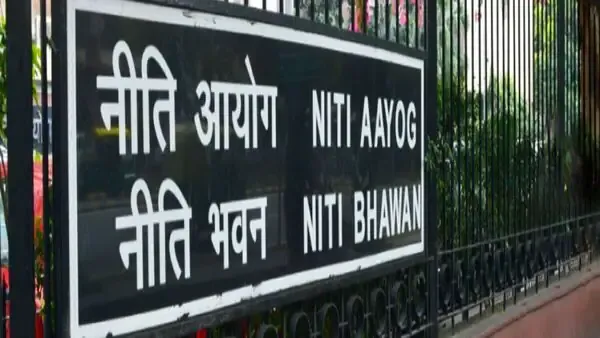
NITI Aayog, India's premier policy think tank, has unveiled a proposal aimed at enhancing the tax landscape for foreign companies operating in the country. The initiative suggests introducing an optional, industry-specific presumptive taxation scheme designed to reduce litigation, simplify compliance, and provide greater tax certainty. This move is expected to bolster investor confidence and attract higher-quality foreign direct investment (FDI), aligning with India's vision of becoming a developed nation by 2047.
Rationale Behind the Proposal
India has witnessed significant growth in FDI over the past two decades, yet persistent ambiguities surrounding Permanent Establishment (PE) and profit attribution have led to prolonged disputes and compliance challenges. These complexities often result in litigation spanning several years, deterring potential investors. NITI Aayog's proposal seeks to address these issues by offering a clearer and more predictable tax framework.
Key Features of the Proposed Scheme
- Optional and Industry-Specific: Foreign companies can choose to opt into the scheme, which would apply a predefined percentage of their gross revenue as taxable income, varying by industry sector.
- Safe Harbour Protection: Companies that elect this scheme would be shielded from separate litigation concerning the existence of a PE for the opted activities.
- Simplified Compliance: The scheme eliminates the need for maintaining detailed local books and undergoing exhaustive audits, thereby reducing administrative burdens.
- Rebuttable Option: Firms whose actual profits are lower than the presumptive rate can opt out and file under the regular taxation regime.
Alignment with Global Standards
The proposal advocates for codifying PE and profit attribution principles in domestic law, aligning them with international norms such as those set by the Organisation for Economic Co-operation and Development (OECD) and the United Nations. This alignment aims to ensure consistency and fairness in tax practices, fostering a more transparent investment environment.
Broader Strategic Measures
Beyond the presumptive taxation scheme, NITI Aayog recommends several complementary measures:
- Enhanced Dispute Resolution: Expanding the use of Advance Pricing Agreements (APAs) and Mutual Agreement Procedures (MAPs) to resolve conflicts efficiently.
- Capacity Building: Training tax officers to apply rules consistently, particularly in complex digital and cross-border cases.
- Public Consultation: Establishing formal mechanisms for stakeholder engagement to ensure that tax reforms are well-informed and widely accepted.
Expected Outcomes
The implementation of this proposal is anticipated to:
- Reduce Litigation: By providing clear guidelines and safe harbour provisions, the scheme aims to decrease the number of tax-related disputes.
- Enhance Investor Confidence: A predictable tax environment is likely to attract long-term, sustainable FDI.
- Simplify Compliance: Streamlined procedures will lower the cost and complexity of doing business in India.
- Strengthen Tax Base: By encouraging formalization and compliance, the scheme is expected to bolster India's tax revenues.
Conclusion
NITI Aayog's proposal represents a significant step towards modernizing India's tax framework to meet the needs of a dynamic global economy. By offering a clear, simplified, and internationally aligned taxation regime, India aims to enhance its attractiveness as an investment destination, paving the way for sustained economic growth and development.
Comments