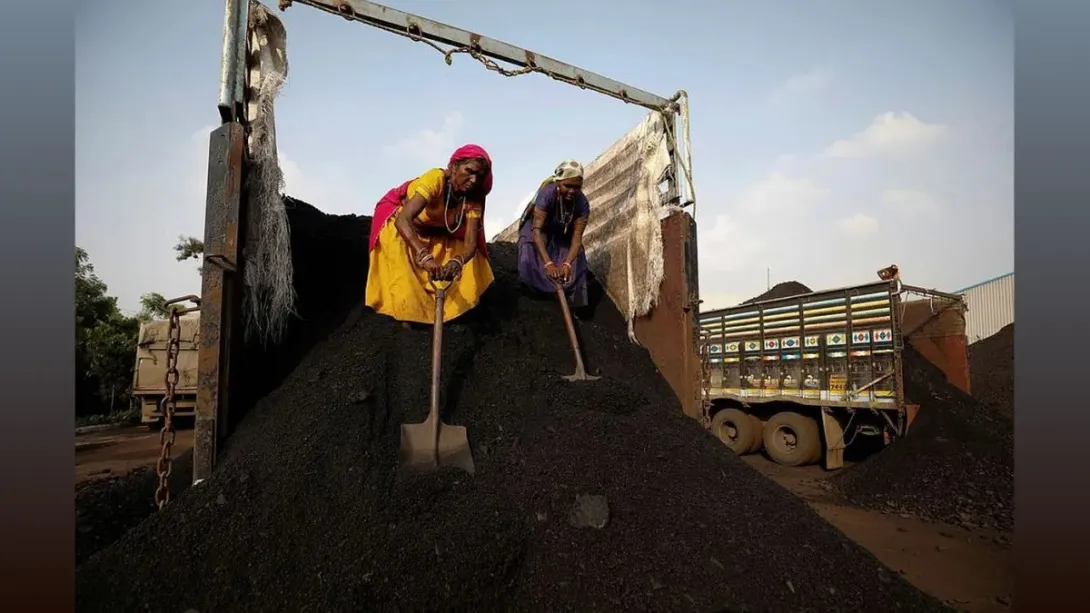
Coal India Limited (CIL), the country’s largest coal producer, reported a 3.9% year-on-year decline in production for September, reflecting operational constraints and logistical challenges. Analysts cite monsoon-related disruptions, maintenance shutdowns, and transportation bottlenecks as key factors affecting output. Despite the shortfall, CIL continues to meet domestic power and industrial demand through strategic stock management and optimized dispatch planning. The production dip comes amid rising coal imports and global energy volatility, highlighting the need for enhanced efficiency and infrastructure investment in India’s critical mining sector to ensure energy security and support industrial growth.
Production Performance and Key Drivers
CIL’s coal output fell to [insert specific figure, if available] million tonnes in September, marking a 3.9% decline compared to the same period last year. The drop was primarily attributed to heavy rainfall in mining regions, scheduled equipment maintenance, and occasional disruptions in rail transportation affecting coal dispatches. Analysts note that while production declined, the company’s focus on operational efficiency and prioritization of high-demand sectors helped mitigate broader supply risks.
Impact on Domestic Energy Supply
Coal remains the backbone of India’s power generation and industrial sectors. The slight production shortfall raised concerns over domestic supply stability, particularly for thermal power plants. However, CIL’s inventory management and strategic allocation ensured minimal impact on electricity generation and industrial operations. Analysts emphasize that consistent monitoring and contingency planning remain crucial to maintaining energy security, especially in high-demand months.
Logistical and Infrastructure Challenges
The production decline underscores broader infrastructural challenges in India’s coal sector. Transportation bottlenecks, aging equipment, and monsoon-related operational disruptions have historically constrained output. Experts suggest that investments in modern mining technology, mechanization, and rail connectivity could help improve production resilience and reduce dependency on imported coal, particularly amid global energy price fluctuations.
Market Outlook and Policy Implications
CIL’s performance in September highlights the importance of balancing production targets with operational realities. Policymakers are expected to continue supporting mining modernization, enhanced logistics, and sustainable practices to maintain long-term supply reliability. Industry observers note that improving domestic coal output is critical for energy-intensive sectors such as power, cement, and steel, which rely heavily on stable and cost-effective coal supplies.
Conclusion: Navigating Short-Term Hurdles
Coal India’s 3.9% decline in September production reflects temporary operational challenges rather than structural weakness. By focusing on efficiency, strategic dispatch planning, and infrastructure improvements, the company is positioned to manage short-term disruptions while maintaining a steady supply to critical sectors. Continued investments in technology and logistics will be essential to bolster production, enhance energy security, and support India’s industrial growth trajectory.
Comments