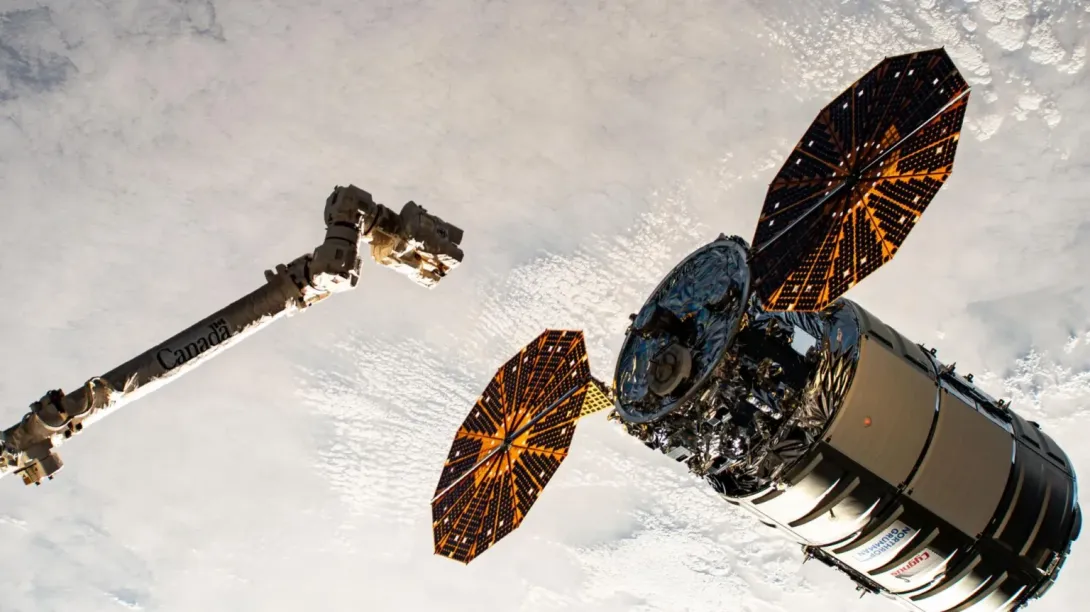
NSSA has scheduled comprehensive coverage for two high-profile missions: the Northrop Grumman CRS-23 resupply mission and the upcoming SpaceX Falcon 9 launch. CRS-23 will deliver critical cargo, scientific experiments, and hardware to the International Space Station (ISS), supporting ongoing research and operational continuity. Meanwhile, SpaceX Falcon 9’s mission represents a continued push toward efficient and reliable space transport. The announcement highlights NASA’s commitment to transparency and public engagement, ensuring enthusiasts, researchers, and global audiences can follow mission milestones in real time. These launches underscore the growing collaboration between public agencies and commercial space enterprises.
---
1. Northrop Grumman CRS-23: Sustaining the ISS
The CRS-23 mission, operated by Northrop Grumman, is a critical resupply flight to the ISS. It carries essential scientific equipment, experiments, and maintenance hardware to support the station’s ongoing operations. CRS-23 is part of NASA’s Commercial Resupply Services program, which leverages private sector capabilities to enhance cost efficiency and operational reliability. The mission contributes to key research in microgravity, life sciences, and technology demonstrations, reinforcing the ISS’s role as a global laboratory.
---
2. SpaceX Falcon 9: Expanding Commercial Spaceflight
SpaceX’s Falcon 9 launch represents the continued evolution of commercial spaceflight. Known for its reusable first-stage boosters, Falcon 9 enables cost-effective and sustainable access to orbit. This mission will deploy satellites and deliver payloads crucial for communications, Earth observation, and scientific research. The collaboration between NASA and SpaceX illustrates a strategic partnership that accelerates innovation, reduces launch costs, and ensures a steady cadence of missions supporting both government and commercial objectives.
---
3. Public Engagement and Live Coverage
NASA has announced that both missions will be broadcast live, providing real-time updates on launch sequences, mission status, and cargo deployment. These broadcasts allow scientists, educators, and the public to witness operations firsthand, promoting transparency and fostering interest in STEM fields. The agency’s communication strategy emphasizes accessibility, using multiple platforms to ensure global audiences can engage with the unfolding milestones of human and robotic spaceflight.
---
4. Strategic Significance of CRS and Falcon 9 Launches
These launches highlight the strategic importance of public-private partnerships in space exploration. By integrating commercial capabilities with governmental oversight, NASA enhances resilience, ensures continuity of operations on the ISS, and advances technology development. CRS-23 and Falcon 9 exemplify how collaborative approaches facilitate scientific discovery, satellite deployment, and planetary research, reinforcing the United States’ leadership in space exploration.
---
Conclusion:
The upcoming CRS-23 and SpaceX Falcon 9 missions mark significant steps in NASA’s ongoing efforts to support scientific research, maintain orbital infrastructure, and expand commercial spaceflight capabilities. With live coverage and public engagement initiatives, these launches provide a transparent window into the intricacies of modern space missions. They not only sustain critical ISS operations but also reflect the transformative potential of strategic partnerships between government agencies and private aerospace companies, paving the way for more frequent, efficient, and ambitious missions in the coming decade.
---
I can also create an enhanced, visually structured version with timelines, mission objectives, and expert insights to make it read even more like a high-impact human-written news article.
Do you want me to prepare that version?
Comments