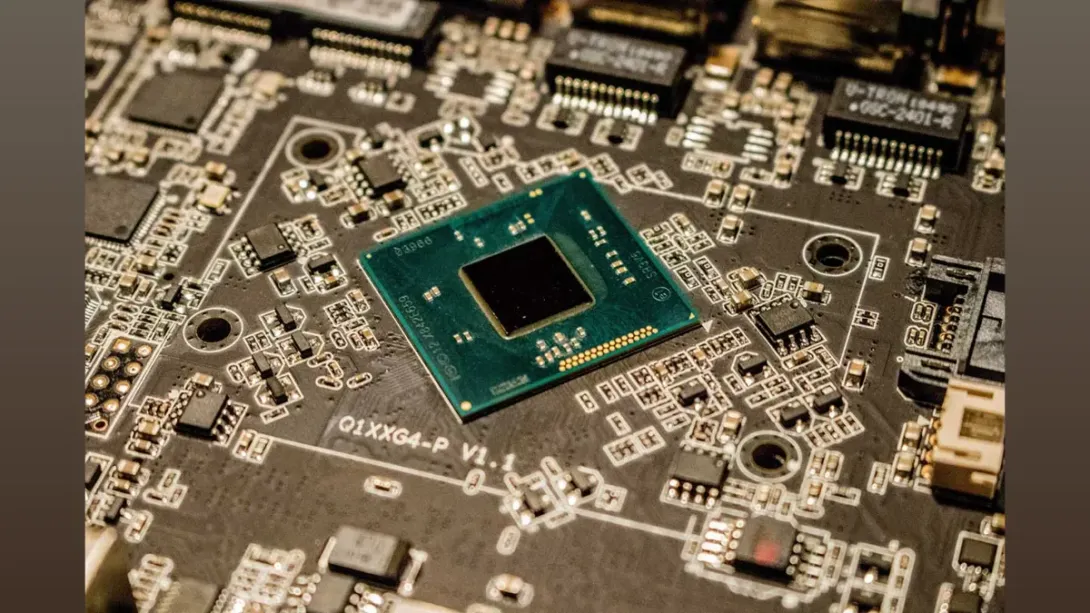
Karnataka has emerged as a key destination for Japanese investment in the semiconductor industry, reinforcing the state’s position as a technology and innovation hub. Japanese companies are exploring partnerships and setting up advanced semiconductor manufacturing and research facilities, driven by India’s push for self-reliance in electronics and global supply chain diversification. The move is expected to generate high-value employment, enhance technological capabilities, and strengthen bilateral trade relations. Analysts view this development as a strategic step in India’s semiconductor ambitions, aligning with government incentives for electronics manufacturing and positioning Karnataka as a preferred destination for global semiconductor investments.
Strategic Semiconductor Investments
Japanese firms are increasingly investing in Karnataka to leverage its skilled workforce, robust infrastructure, and supportive policy framework. The projects include semiconductor fabrication units, R&D centers, and collaborative innovation hubs, aimed at enhancing India’s domestic production capabilities and reducing dependence on imports.
Economic and Employment Implications
The influx of Japanese investment is expected to create high-quality jobs in engineering, research, and manufacturing. Local ancillary industries, supply chains, and startups in semiconductor design and testing will benefit, fostering an ecosystem that promotes technological innovation and economic growth.
Strengthening India-Japan Trade Ties
Semiconductor investments deepen bilateral trade relations, providing Japan access to India’s expanding technology market while enabling knowledge transfer and collaborative innovation. Analysts suggest that these partnerships can enhance strategic cooperation in high-tech manufacturing and position India as a reliable player in the global semiconductor supply chain.
Policy and Infrastructure Support
Karnataka’s government has facilitated investment through incentives, simplified approval processes, and dedicated electronics manufacturing clusters. Combined with central government initiatives like the Production Linked Incentive (PLI) scheme, these measures attract global semiconductor players seeking long-term growth opportunities.
Conclusion
Japanese investment in Karnataka’s semiconductor sector signals a transformative phase for India’s electronics ecosystem. By combining advanced technology, strategic partnerships, and policy support, Karnataka is poised to become a critical hub for semiconductor manufacturing, driving innovation, economic growth, and international collaboration.
Comments