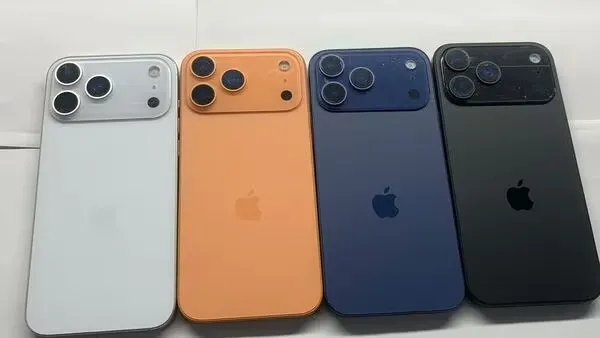
Apple is preparing a major redesign for its upcoming iPhone 17 Pro, signaling one of the most significant updates to the flagship lineup in recent years. The device is expected to introduce a sleeker form factor, refined aesthetics, and advanced camera capabilities that aim to set new industry standards. Alongside hardware improvements, Apple is reportedly working on software refinements powered by AI-driven imaging technology, reinforcing its ambition to dominate both performance and design in the premium smartphone segment. Industry insiders suggest the launch will play a critical role in sustaining Apple’s growth in an increasingly competitive market.
A Bold Shift in Design Philosophy
The iPhone 17 Pro is anticipated to move beyond incremental upgrades by offering a substantial redesign. Apple’s design strategy, historically focused on subtle refinements, is expected to embrace bolder choices with thinner bezels, lighter materials, and a restructured chassis. This shift not only reflects changing consumer preferences for premium minimalism but also demonstrates Apple’s intent to differentiate itself as rivals experiment with foldable and modular devices.
Camera Innovations to Elevate User Experience
Central to the iPhone 17 Pro’s appeal will be its upgraded camera system. Apple is believed to be introducing next-generation sensors and enhanced image stabilization technologies, supported by computational photography powered by machine learning. These improvements will likely enhance low-light performance, deliver superior zoom functionality, and redefine video recording quality for both casual users and professional creators. With camera quality now a decisive factor in purchasing decisions, Apple’s strategic emphasis on imaging places the iPhone 17 Pro at the forefront of mobile photography.
Market Strategy and Consumer Impact
The anticipated upgrades underscore Apple’s effort to reinvigorate demand in mature markets, particularly as smartphone replacement cycles lengthen. Analysts note that the Pro models increasingly serve as the company’s innovation drivers, justifying premium pricing while cementing Apple’s brand equity. The iPhone 17 Pro’s launch is also expected to influence supply chain dynamics, with Apple reportedly diversifying component sourcing to mitigate geopolitical and economic uncertainties.
Competitive Landscape
Apple’s move comes at a time when competitors such as Samsung, Google, and Chinese manufacturers are intensifying their push into high-end devices, often emphasizing foldable displays and aggressive pricing. By contrast, Apple’s strategy appears rooted in consolidating its leadership through evolutionary, rather than revolutionary, innovation. This approach may reinforce consumer loyalty, particularly among users who prioritize ecosystem integration and seamless performance over experimental form factors.
Outlook
The iPhone 17 Pro is shaping up to be more than just another annual refresh—it represents Apple’s calculated attempt to set new benchmarks in design and camera technology while strengthening its foothold in the luxury smartphone category. If the anticipated changes materialize, the device could play a pivotal role in sustaining Apple’s competitive edge in a saturated yet fiercely contested market.
Comments