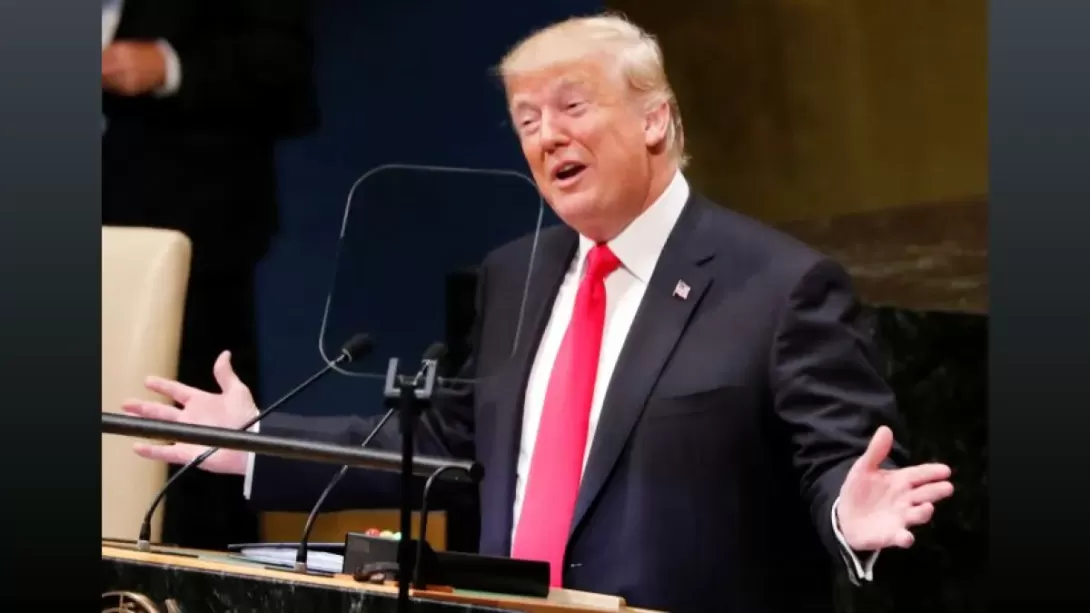
British Prime Minister Keir Starmer and U.S. President Donald Trump have engaged in what Downing Street described as "productive" dialogue surrounding the advancement of a comprehensive UK-U.S. trade agreement. Their recent phone conversation covered key bilateral concerns, including transatlantic tariffs, global security issues such as the Russia-Ukraine conflict, and U.S. military operations in Yemen. The trade pact discussions come as both nations navigate economic pressures and shifting geopolitical dynamics. With tariffs still in place on British steel, aluminum, and automobiles, both governments are keen on achieving a deal that balances economic openness with strategic national interests.
Bilateral Trade Talks Gain Momentum
In a call held on Friday, Prime Minister Keir Starmer reaffirmed the United Kingdom's commitment to free and fair trade during his conversation with President Trump. The discussion marks a critical step in rekindling momentum around a long-pending UK-U.S. trade agreement, especially relevant in light of persistent tariff barriers imposed by the United States.
The Trump administration’s 10% levy on general UK goods, coupled with a 25% tariff on key sectors like automotive exports, steel, and aluminum, continues to be a sticking point. However, London remains optimistic that diplomacy—not retaliation—will chart the path forward.
Strategic Diplomacy Over Tariffs
Unlike the European Union, which has responded to Washington’s tariffs with countermeasures, the United Kingdom has opted for restraint and constructive dialogue. This strategic positioning, analysts suggest, reflects Britain’s intent to preserve goodwill and secure mutually beneficial terms that promote economic resilience amid global supply chain vulnerabilities.
Starmer emphasized the importance of such a trade arrangement not merely as an economic instrument but as a symbol of enduring transatlantic cooperation. The emphasis remains on balancing national interest protections with global trade commitments.
Geopolitical Underpinnings of the Dialogue
The phone call extended beyond trade. Starmer and Trump exchanged views on pressing international conflicts, notably the Russia-Ukraine war and the Middle East security landscape. U.S. airstrikes in Yemen targeting Houthi rebels have drawn global attention, further accentuating the role of defense and foreign policy in shaping trade diplomacy.
With Iran and regional security also part of the agenda, the leaders acknowledged the complexity of global interconnectedness, where trade and security are often inseparable.
Key Meetings on the Horizon
The trade conversation is expected to accelerate next week when UK Chancellor Rachel Reeves visits Washington for the G20 and G7 finance minister summits, alongside the IMF annual meetings. Notably, she will meet for the first time with U.S. Treasury Secretary Scott Bessent, where the bilateral trade deal is anticipated to dominate discussions.
This meeting will likely serve as a bellwether for investor confidence, particularly in sectors affected by transatlantic tariffs. Market participants are closely watching whether regulatory and fiscal policy alignment can be achieved without compromising domestic manufacturing interests.
The Broader Economic Context
Both the United Kingdom and the United States are navigating periods of macroeconomic recalibration—rising inflationary pressures, volatile commodity markets, and realignment of supply chains post-pandemic. A well-negotiated trade agreement has the potential to boost bilateral GDP, enhance export competitiveness, and foster innovation-driven investment flows.
For the UK, securing a favorable deal would represent a significant post-Brexit milestone, reinforcing its capacity to strike sovereign trade deals independently of the EU. For the U.S., it offers an opportunity to diversify import sources and establish more resilient trading partnerships amid escalating tensions with China and other global competitors.
Looking Ahead
While no concrete timelines have been disclosed, President Trump has expressed interest in formalizing his next State Visit to the United Kingdom later this year—an event that could serve as a platform to announce progress on the trade front. However, geopolitical developments and domestic politics in both nations may yet influence the pace and tone of negotiations.
In the interim, policymakers and business leaders alike remain cautiously optimistic that economic pragmatism will prevail over protectionist impulses, leading to a modern trade architecture fit for an increasingly interconnected global economy.
Comments