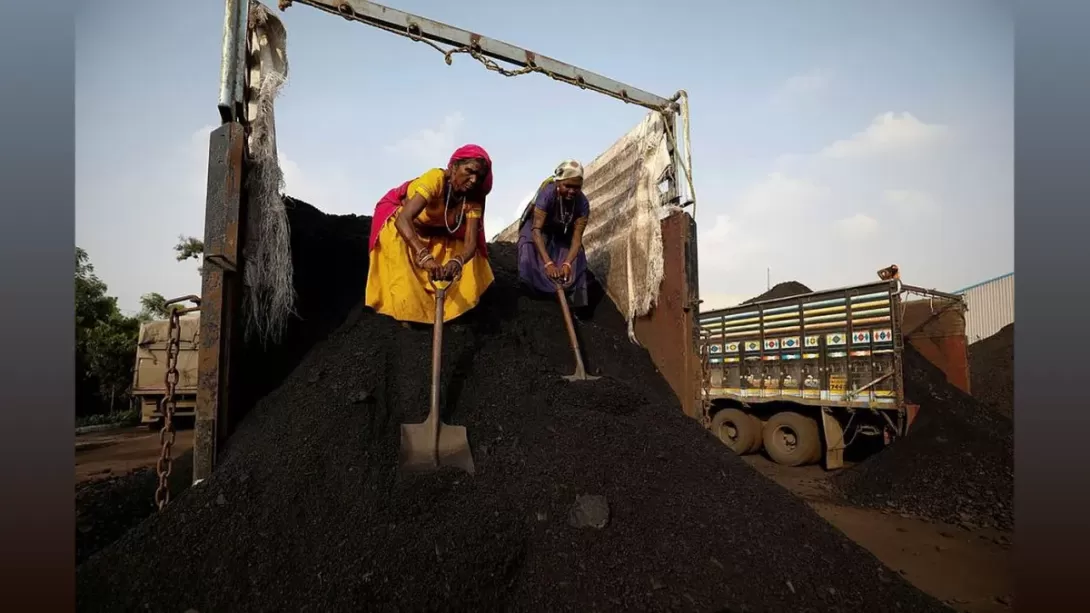
South Eastern Coalfields Ltd. (SECL), a subsidiary of Coal India, has entered into a groundbreaking agreement with TMC Mineral Resources Pvt. Ltd. valued at Rs 7,040 crore. This partnership will see the adoption of the paste filling technology in coal mining at SECL’s Singhali underground coal mine in the Korba region. Over the next 25 years, this method is expected to produce 8.4 million tonnes of coal while ensuring environmental sustainability and structural safety. By using this modern technology, SECL is positioned to set a new standard for underground coal mining in India, addressing land use and safety challenges.
Revolutionizing Coal Mining with Paste Filling Technology
In a significant leap toward sustainable coal mining, South Eastern Coalfields Ltd. (SECL) has partnered with TMC Mineral Resources Pvt. Ltd. for a cutting-edge mining project worth Rs 7,040 crore. This agreement marks a pioneering moment for SECL as it becomes the first public sector undertaking (PSU) in India to adopt the innovative paste filling technology for large-scale coal extraction.
Paste filling is a state-of-the-art underground mining technique designed to mitigate several environmental and operational challenges. Unlike traditional mining methods that require surface land acquisition, paste filling involves using a specially prepared paste made of fly ash, crushed overburden, cement, water, and binding chemicals to fill the voids left after coal extraction. This approach ensures that the mine remains structurally sound and prevents land subsidence, a common issue in traditional mining processes.
The Singhali Mine: A Strategic Site for Innovation
The focal point of this project is the Singhali underground coal mine, located in SECL’s Korba area, one of the key mining regions in India. Established in 1993, the mine was originally designed for a modest production capacity of 0.24 million tonnes per year. However, as of now, it has an impressive reserve of 8.45 million tonnes of non-coking coal, making it a valuable asset for SECL.
Historically, the Singhali mine has faced challenges due to its surface area being densely populated with villages, high-tension electricity lines, and a public works road. These obstacles have made conventional mining techniques such as caving unfeasible due to concerns about safety and environmental damage. The introduction of paste filling technology overcomes these barriers, allowing for the continuation of mining operations without disrupting the surface infrastructure.
Expected Benefits and Long-Term Impact
The Rs 7,040 crore agreement is set to transform the way coal mining operations are conducted at Singhali. Over the next 25 years, the project is expected to produce approximately 8.4 million tonnes of coal, with the use of paste filling technology enhancing the safety and sustainability of the entire operation. This process will not only reduce the environmental impact of mining but will also ensure that SECL can continue coal extraction without disturbing the surrounding land and infrastructure.
One of the primary benefits of paste filling is the prevention of land subsidence. Traditional mining methods often lead to the collapse of surface land after mining activities, creating significant environmental hazards. Paste filling mitigates these risks by filling the voids left behind, stabilizing the mine structure and protecting the surface area from potential damage.
A Model for Future Coal Mining Projects
SECL’s successful implementation of paste filling technology at Singhali could serve as a blueprint for other underground mines facing similar land-use challenges. Given the growing demand for coal in India and the environmental pressures on traditional mining methods, adopting this technology could pave the way for a more sustainable future in coal mining. As land constraints become increasingly common, particularly in densely populated areas, paste filling technology offers a practical and environmentally friendly solution to continue meeting India’s energy needs.
By leading the charge in adopting advanced technologies like paste filling, SECL is not only enhancing the efficiency and sustainability of its operations but is also setting a precedent for the broader mining industry in India. This forward-thinking approach is likely to drive further innovations in the sector, fostering a safer and more eco-friendly mining environment.
Conclusion: SECL’s Strategic Move Towards Sustainable Mining
SECL’s partnership with TMC Mineral Resources Pvt. Ltd. and the adoption of paste filling technology represents a significant milestone for the Indian coal industry. By embracing modern underground mining methods, SECL is addressing critical challenges related to land use, safety, and environmental impact. The project at Singhali will not only contribute significantly to India’s coal production but also set the stage for future innovations in the sector. As India’s energy needs continue to grow, initiatives like this will be crucial in ensuring that coal mining remains both efficient and sustainable, with minimal environmental disruption.
With this step, SECL is not just enhancing its operational capacity but also leading the way in the shift toward more responsible mining practices in India.
Comments