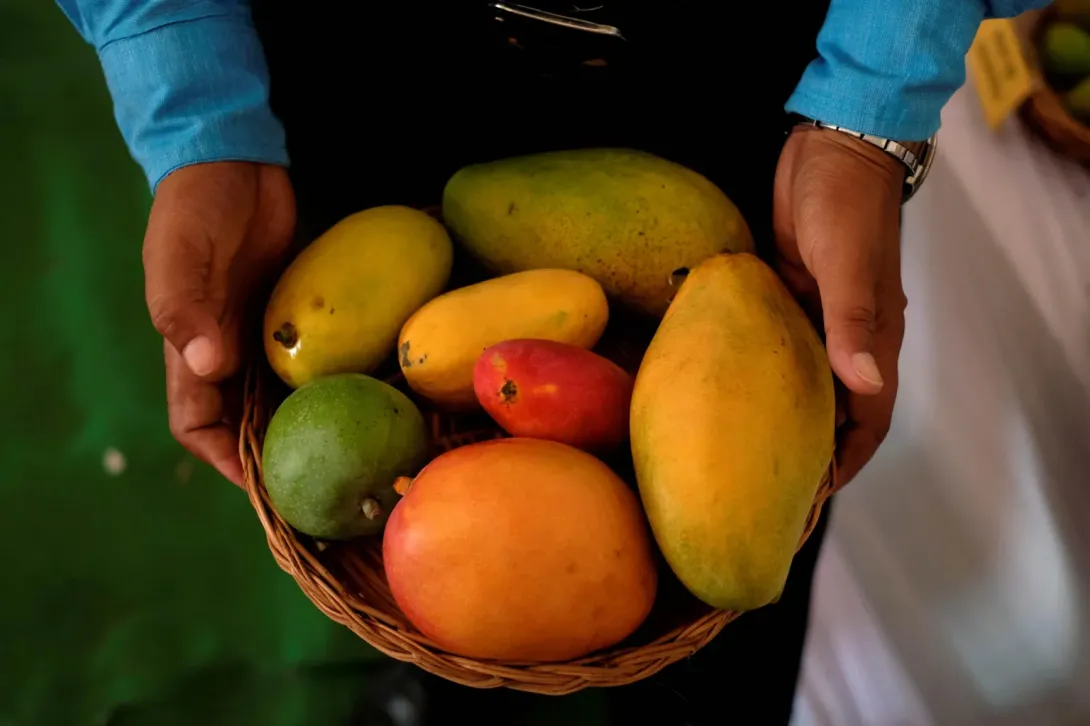
Recent Indian studies are redefining the conventional narrative around mango consumption and diabetes management. Traditionally, mangoes have been cautioned against for individuals with diabetes due to their natural sugar content. However, emerging research indicates that moderate intake of mangoes may not spike blood glucose levels as severely as previously thought. Studies conducted across multiple Indian institutions reveal that certain mango varieties, when consumed in controlled portions, can provide essential vitamins, antioxidants, and fiber without causing significant glycemic disruptions. These findings suggest a nuanced approach to diabetes-friendly diets, emphasizing portion control and varietal selection rather than blanket avoidance.
Nutritional Profile of Mangoes
Mangoes are rich in vitamins A and C, polyphenols, and dietary fiber. These compounds contribute to antioxidant defense, immune support, and digestive health. Importantly, the fiber content may help moderate postprandial blood sugar spikes by slowing glucose absorption in the intestine.
Insights from Indian Research
Recent trials conducted in India measured post-meal glucose responses in diabetic participants after consuming specific mango varieties. The results demonstrated that glycemic responses were lower than expected when mangoes were consumed in portions of 100–150 grams. Researchers noted that the natural sugars in mangoes were counterbalanced by bioactive compounds, which may improve insulin sensitivity and mitigate oxidative stress.
Implications for Diabetes Management
While mangoes should still be consumed cautiously, these studies suggest that they can be included as part of a balanced, carbohydrate-controlled diet. Health practitioners emphasize portion control, mindful selection of ripe fruit, and pairing with protein or fiber-rich foods to stabilize glucose levels.
Rethinking Dietary Guidelines
The new evidence challenges the blanket recommendation to avoid mangoes entirely. Nutritionists advocate for culturally sensitive dietary advice, recognizing that exclusion of popular fruits can affect compliance and quality of life. Integrating scientifically backed consumption guidelines may empower diabetic individuals to enjoy seasonal fruits without compromising glycemic control.
Conclusion
Indian research is reshaping the understanding of mango consumption in diabetes. With moderated portions and mindful dietary planning, mangoes may transition from being considered a risky indulgence to a nutritionally valuable component of a diabetes-conscious diet.
Comments