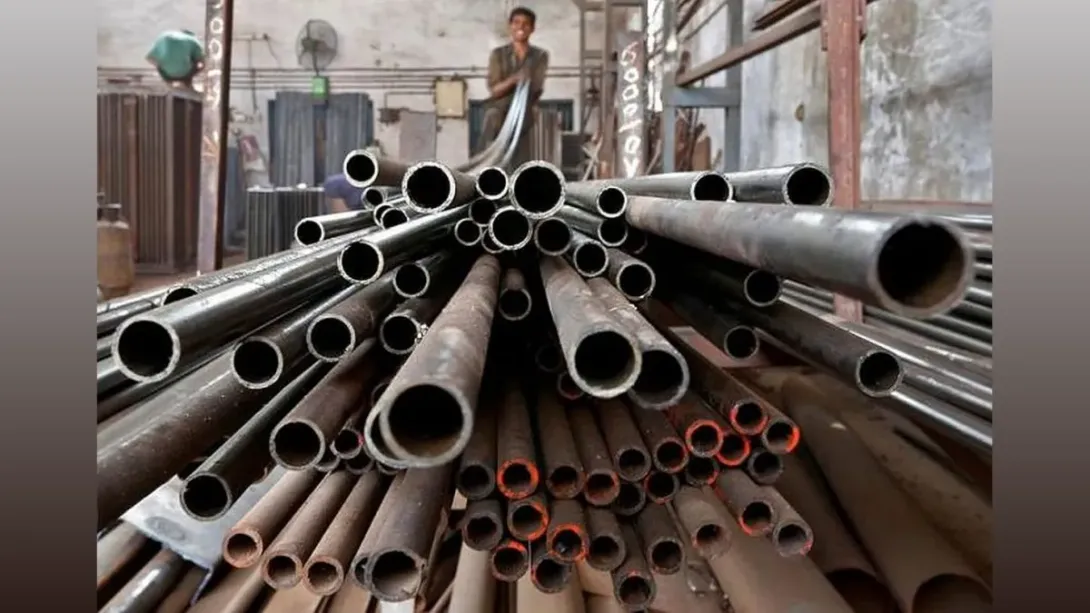
Steel Authority of India Ltd. (SAIL), the country’s largest public sector steelmaker, has outlined a capital expenditure plan of Rs. 7,500 crore for the financial year 2025–26. The investment is aimed at augmenting production capacity, upgrading plant infrastructure, and accelerating the company’s transition toward cleaner, more efficient steelmaking technologies. This ambitious plan underscores SAIL’s commitment to strengthening its competitiveness amid rising domestic demand, global price volatility, and the strategic imperative to align with India’s decarbonization goals. The move is also expected to support job creation and drive regional industrial development.
Capex Strategy Anchored in Growth and Modernization
The Rs. 7,500 crore capex allocation reflects SAIL’s forward-looking strategy to expand production capacity across its integrated steel plants and boost operational efficiency. The company plans to channel the investment into modernization initiatives, debottlenecking projects, digitalization, and environment-friendly technologies.
A significant portion of the capex will be directed toward brownfield expansion at existing facilities in Bhilai, Rourkela, Bokaro, Durgapur, and Burnpur. These enhancements are designed not just to increase throughput but also to improve the quality and consistency of SAIL’s product offerings, especially in high-margin flat and long steel segments.
Responding to Domestic Demand and Global Competition
India’s infrastructure and construction boom—driven by government-led capital expenditure and rising urbanization—has created a strong appetite for high-grade steel. SAIL is positioning itself to meet this demand surge by ensuring its facilities are equipped with the capacity and technology required to deliver at scale.
At the same time, the company faces growing competition from private domestic players and foreign imports. With this capex plan, SAIL aims to consolidate its position in the Indian steel market while preparing to tap export opportunities in emerging markets across Asia and Africa.
Sustainability at the Core of Expansion
In line with India’s net-zero targets, SAIL has embedded sustainability into its capex blueprint. Investments will focus on energy-efficient furnaces, low-emission technologies, and waste heat recovery systems. The company is also exploring the integration of green hydrogen and carbon capture technologies as part of its long-term environmental roadmap.
SAIL’s leadership has emphasized that modernizing legacy infrastructure and reducing carbon intensity are not just compliance measures but strategic imperatives in a global market that is increasingly penalizing carbon-heavy production.
Employment and Economic Multiplier Effect
The Rs. 7,500 crore capex is expected to create substantial employment across direct and indirect sectors. From engineering and construction to logistics and maintenance, the multiplier effect of SAIL’s investment will extend well beyond the steel sector, especially in states hosting major steel plants.
Moreover, increased steel availability from public sector producers like SAIL can help stabilize prices and ensure reliable supply for India’s ambitious infrastructure projects, including highways, railways, and renewable energy installations.
Financial Prudence and Future Outlook
Despite the scale of the investment, SAIL maintains a relatively strong balance sheet, aided by healthy cash flows from operations and recent deleveraging efforts. The company’s financial discipline is expected to help sustain large-scale capital spending without compromising its credit profile.
Looking ahead, SAIL’s capex strategy signals a broader intent to reassert its relevance in a fast-changing steel landscape—where automation, environmental compliance, and customer customization are emerging as competitive differentiators.
Conclusion
SAIL’s Rs. 7,500 crore capital expenditure plan for FY26 is more than a financial commitment—it's a strategic blueprint for transformation. As the steel sector becomes central to India’s growth narrative, SAIL is positioning itself as a critical enabler of the country’s industrial and green transition. Whether the plan delivers the intended scale and efficiency gains will depend on timely execution, market dynamics, and continued policy support—but the intent marks a confident stride toward modernization and resilience.
Comments