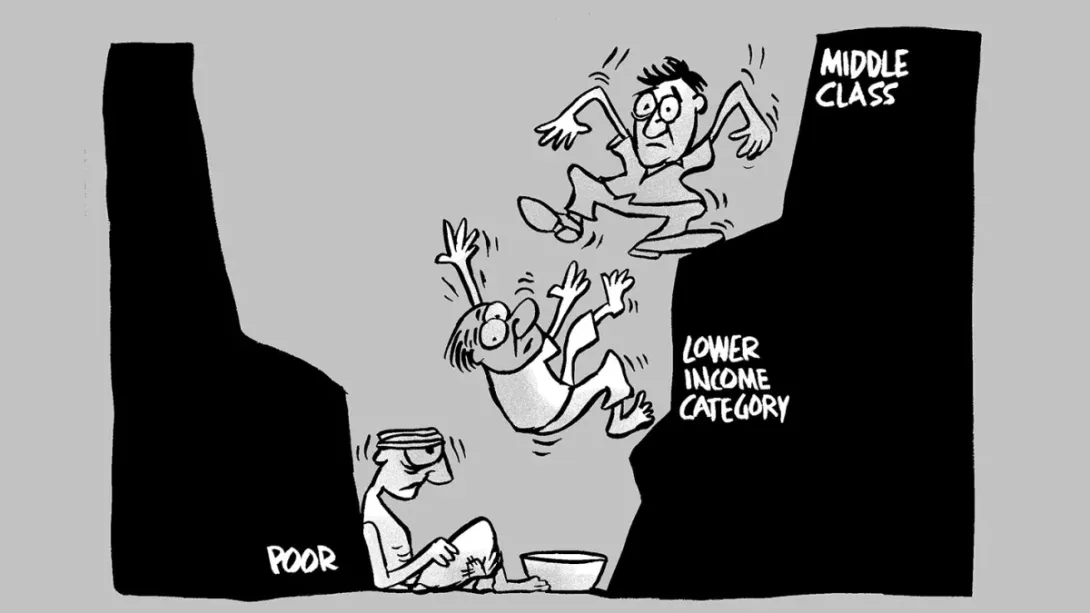
India’s household consumption, a vital engine of economic growth, is expected to regain momentum over the next two to three quarters. Analysts anticipate a revival driven by improved rural demand, easing inflationary pressures, rising disposable incomes, and enhanced government spending. While recent quarters saw muted consumer sentiment amid high prices and uneven income distribution, economic fundamentals are gradually aligning to support a consumption-led recovery. With urban markets stabilizing and rural demand expected to pick up post-harvest season, the resurgence in household spending is likely to bolster retail, FMCG, and discretionary sectors, thereby providing a broader boost to GDP growth.
---
Consumption Outlook: Recovery on the Horizon
India's household consumption, which accounts for nearly 60% of the country's GDP, has shown signs of stabilization and is now poised for a gradual rebound in the coming quarters. After a period of subdued spending patterns caused by elevated inflation, high borrowing costs, and rural distress, economic indicators suggest that consumer demand is likely to strengthen.
Experts foresee a meaningful revival within the next two to three quarters, driven by cyclical tailwinds and structural enablers. Improving employment figures, enhanced liquidity, and pent-up demand—especially in semi-urban and rural areas—are expected to play a crucial role in reactivating domestic consumption.
---
Rural Demand and Agricultural Recovery
A key factor in the projected rebound is the anticipated recovery in rural demand. Although rural consumption has been under pressure due to erratic monsoons, input cost inflation, and wage stagnation, recent trends suggest an improving trajectory.
The kharif harvest season, aided by better rainfall and government support measures such as increased minimum support prices (MSP), is likely to lift farm incomes. This, in turn, should stimulate demand for essential goods, two-wheelers, consumer durables, and small-ticket discretionary items across rural India.
Moreover, rural job creation under schemes like MGNREGA and infrastructure development in Tier II and Tier III cities are expected to enhance purchasing power in non-urban centers.
---
Urban Stability and Sectoral Impact
Urban markets, which had already shown resilience through the high-inflation cycle, are expected to maintain steady momentum. Increased hiring activity in services, improved real estate sentiment, and rising household credit flows suggest a positive outlook for urban consumption, especially in e-commerce, automobiles, and lifestyle segments.
Sectors such as fast-moving consumer goods (FMCG), electronics, retail, and hospitality stand to benefit significantly from the anticipated uptick in spending. Companies are already adjusting inventories, increasing ad spends, and expanding distribution networks in anticipation of revived demand during the upcoming festive and wedding seasons.
---
Inflation and Policy Tailwinds
The moderation in consumer price inflation, particularly food inflation, is expected to have a direct impact on real incomes, thereby improving consumer confidence. With the Reserve Bank of India (RBI) maintaining a balanced monetary policy stance, borrowing costs have largely stabilized, supporting credit-led consumption.
Simultaneously, government expenditure on rural development, subsidies, and infrastructure projects is likely to have a multiplier effect, further supporting demand across income strata. Continued support for MSMEs and targeted welfare schemes will also help bridge consumption gaps in lower-income segments.
---
Conclusion
India’s consumption cycle, after enduring a phase of volatility, appears set for a turnaround. The convergence of improved rural sentiment, urban stability, favorable macroeconomic indicators, and policy continuity is expected to reinvigorate household spending within the next two to three quarters.
This recovery will be instrumental in driving India’s next phase of economic growth, providing a lift to both core sectors and emerging consumption-driven industries. As momentum builds, businesses across the value chain—from agriculture to retail—stand to gain, signaling a potentially broad-based and sustainable consumption rebound in the medium term.
Comments