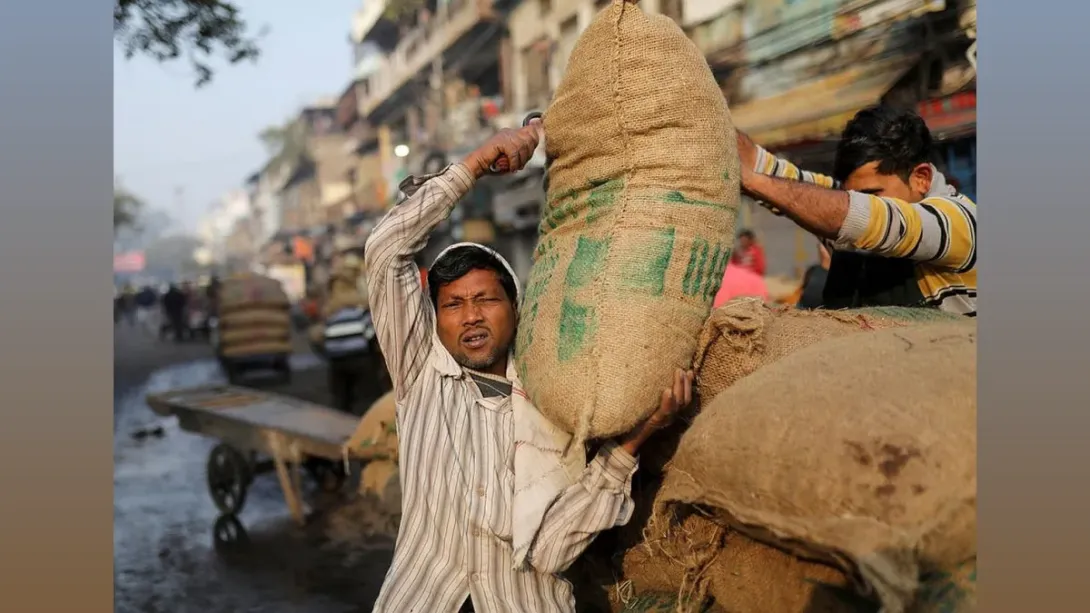
India’s economic trajectory for FY26 appears poised for moderate yet resilient growth, even as external challenges mount. A combination of stable domestic demand, improved infrastructure spending, and evolving industrial capacity are expected to anchor the economy. While inflationary pressures and geopolitical uncertainties continue to influence global sentiment, India’s macroeconomic fundamentals remain intact. Projections indicate a sustained growth rate, supported by fiscal discipline, a rebound in private investment, and structural reforms. However, the need for cautious optimism persists as factors such as monsoon variability, global crude prices, and external trade dynamics could influence the year’s economic rhythm.
Economic Growth Projections Hold Firm
India is projected to maintain GDP growth in the range of 6.5% to 7% in FY26, driven primarily by strong domestic consumption and an uptick in manufacturing activity. Recent policy efforts to enhance industrial productivity, simplify regulations, and boost infrastructure rollout are likely to underpin this stability.
The services sector continues to outperform expectations, particularly in IT, finance, and professional services, while the manufacturing sector gains momentum through PLI (Production Linked Incentive) schemes and increased capacity utilization.
Fiscal Policy and Investment Climate
Fiscal consolidation remains a government priority, with targeted capital expenditure allocations aimed at crowding in private investment. India’s emphasis on infrastructure — particularly in transport, logistics, and digital connectivity — is expected to spur multiplier effects throughout the economy.
Private sector investment has shown signs of revival, supported by easier credit availability and improved business confidence. Public sector banks have witnessed stronger balance sheets, further enhancing their lending appetite. Meanwhile, foreign direct investment (FDI) inflows have held steady, reflecting confidence in India’s long-term potential.
Inflation, Monetary Policy, and Consumption Trends
The Reserve Bank of India is expected to maintain a cautious stance on interest rates, carefully balancing inflation management with the need to support growth. Although inflation has moderated in recent months, food and fuel price volatility remain areas of concern.
Consumer spending is anticipated to remain robust, aided by a growing middle class, rising urbanization, and improved rural income levels. The real estate and automobile sectors, often viewed as bellwethers of consumption, are seeing gradual recovery, reinforcing overall demand resilience.
External Risks and Trade Dynamics
India’s external trade performance may face headwinds from subdued global demand, rising protectionism, and ongoing geopolitical tensions. Exports of electronics, textiles, and pharmaceuticals are being watched closely, as these sectors adjust to shifting global supply chains.
However, India's emphasis on self-reliance and trade diversification — particularly through regional partnerships and free trade agreements — is expected to mitigate some risks. The push toward local manufacturing and import substitution could provide an additional buffer in a volatile external environment.
Structural Reforms and Policy Initiatives
The government’s long-term reform agenda, including labor code rationalization, digital governance, and green transition policies, are laying the groundwork for sustained economic transformation. Emphasis on energy transition, EV adoption, and sustainable agriculture aligns with global trends while creating new avenues for domestic growth.
Additionally, skilling initiatives and digital inclusion programs are helping to align the workforce with emerging industry requirements, supporting productivity gains across sectors.
Conclusion
India’s economic journey into FY26 is characterized by cautious optimism — supported by strong domestic fundamentals, proactive policy measures, and an improving investment climate. While global uncertainties may intermittently test resilience, India’s structural strength, growing market base, and reform-centric governance provide a solid foundation for medium-term growth. Strategic focus on self-reliance, inclusive development, and global integration will likely shape India’s next phase of economic ascent.
Comments