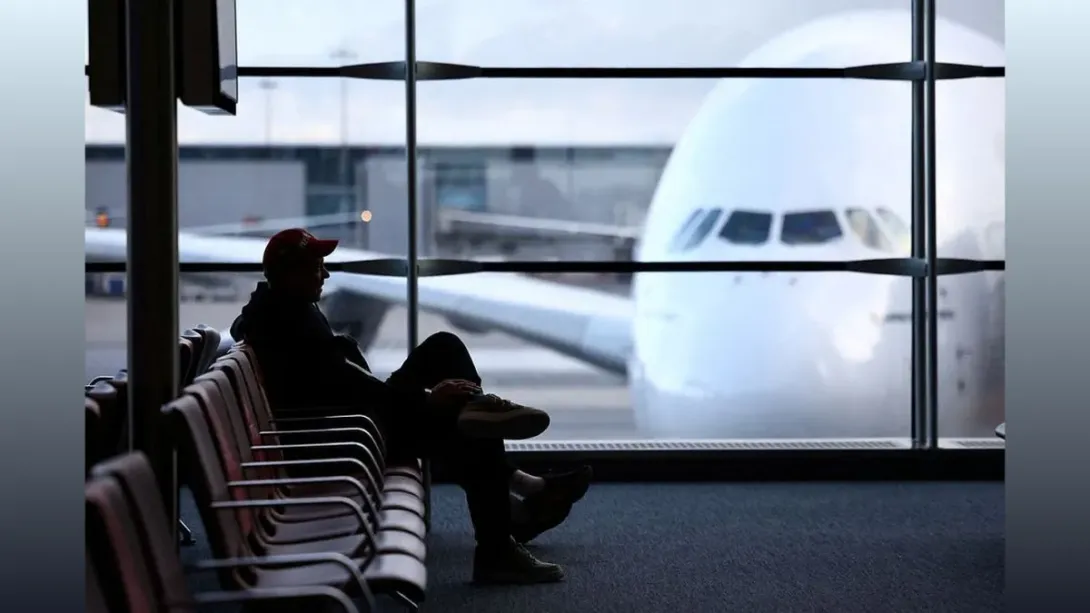
In a devastating turn for India’s aviation sector, an Air India Boeing 787 Dreamliner crashed during a routine domestic flight, claiming numerous lives and leaving the nation in shock. Initial reports indicate that mechanical failures combined with possible human oversight may have led to the disaster. This article meticulously reconstructs the tragic sequence of events—second by second—shedding light on the crucial moments that transformed a routine journey into a national calamity. It also examines the broader ramifications for passenger safety protocols and the financial implications confronting India’s flagship carrier amid heightened regulatory scrutiny.
---
The Calm Before Catastrophe
On an otherwise unremarkable morning, Air India’s Dreamliner, registered VT-ANI, prepared for departure from Delhi, destined for Bengaluru. Carrying 178 passengers and 12 crew members, the aircraft was lauded for its advanced engineering and fuel efficiency. Weather conditions were stable, and standard pre-flight inspections reportedly found no anomalies. By 9:10 AM, the aircraft commenced its taxi and received final clearance for takeoff—a moment that should have marked another uneventful leg in Air India’s extensive network.
---
A Critical Sequence: Minute 1 to Minute 10
9:13:42 AM: The Boeing 787 lifted gracefully from the runway, engines humming as it ascended toward cruising altitude.
9:16:08 AM: Air Traffic Control (ATC) instructed the flight to climb to 32,000 feet. Pilots acknowledged without hesitation.
9:18:35 AM: The cockpit voice recorder captured casual exchanges, indicating no awareness of impending trouble.
9:21:50 AM: Slight turbulence was reported. Passengers felt minor jolts, common at this stage of ascent.
It was around 9:23:14 AM that initial irregularities appeared on the flight data recorder. Engine number two displayed fluctuating oil pressure levels—an anomaly that did not immediately trigger emergency protocols.
---
The Descent Into Chaos
9:25:09 AM: A loud alarm sounded in the cockpit as critical systems flagged an engine failure. The captain opted to throttle back and prepare to divert to Hyderabad, the nearest major airport.
9:26:45 AM: Cabin crew began instructing passengers to fasten seatbelts tightly, maintaining a calm facade despite evident concern.
9:28:02 AM: The aircraft began an unplanned descent. Flight computers attempted to stabilize the glide, but velocity was erratic.
9:29:17 AM: Communications with ATC revealed strained voices; the captain formally declared a Mayday, citing engine loss and potential control surface problems.
---
Final Moments and Impact
9:30:12 AM: ATC advised a priority landing path, yet radar signatures indicated a steep drop.
9:31:47 AM: The aircraft lost critical altitude rapidly—dropping from 8,000 feet to under 2,500 feet within less than 90 seconds.
9:32:29 AM: A garbled transmission was the last recorded communication from the cockpit.
9:33:05 AM: Ground observers witnessed the Dreamliner banking dangerously before striking open farmland approximately 28 kilometers short of the intended runway. The fuselage disintegrated upon impact.
---
Financial, Operational, and Regulatory Fallout
This crash carries far-reaching consequences for Air India, already navigating a delicate financial recovery. Industry analysts forecast immediate insurance liabilities exceeding Rs. 450 crore, alongside compensation obligations to victims’ families. Moreover, aviation regulators are poised to intensify scrutiny of fleet maintenance records and pilot training programs.
Shares of Tata Group-linked aviation entities exhibited intraday volatility, underscoring investor anxiety over potential brand and operational damages. Insurance underwriters are also revisiting premiums tied to wide-body operations, which could elevate long-term costs for carriers operating in India.
---
A Wake-Up Call for Aviation Safety
While investigations remain in preliminary stages, this tragedy underscores persistent vulnerabilities in even the most technologically sophisticated aircraft. Experts argue for a reassessment of predictive maintenance systems and more rigorous cockpit response drills tailored to dual-engine scenarios.
The human cost remains immeasurable, with families left to grapple with irrevocable loss. For Air India and the broader aviation community, this disaster serves as a stark reminder: safety protocols must constantly evolve to mitigate risks in an industry where margins for error are unforgivingly thin.
---
Closing Thought:
In dissecting this harrowing event, it becomes clear that aviation—despite its marvels—operates in a realm where technology, human judgment, and fate intersect in unpredictable ways. The hope now is that lessons etched in sorrow may prevent such calamities from ever recurring.
Comments