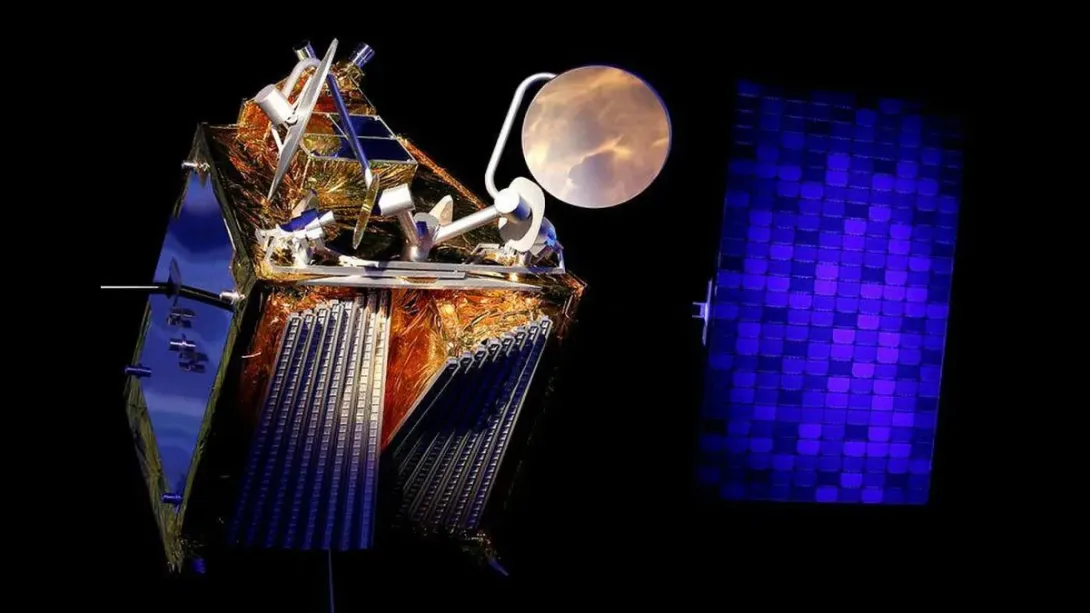
In a decisive push to safeguard and advance its strategic interests in global satellite infrastructure, the United Kingdom has stepped in as a key investor in Eutelsat’s €1.5 billion capital raise. This commitment comes as the Paris-headquartered satellite giant seeks to fortify its balance sheet and expedite the rollout of next-generation connectivity services. By participating in this substantial equity offering, the UK not only underpins critical technological capabilities but also bolsters its geopolitical influence in the high-stakes arena of space-based communications. The transaction underscores a broader European effort to build resilient networks amid escalating global demand for secure, high-capacity satellite systems.
UK’s Strategic Bet on Space Communications
The British government’s decision to support Eutelsat’s €1.5 billion capital increase marks a calculated effort to solidify its stake in the evolving landscape of satellite connectivity. The infusion is structured through a participation in newly issued shares, ensuring Eutelsat has the financial muscle to accelerate the deployment of its advanced satellite constellations.
By stepping up at this critical juncture, the UK is signaling that it views secure, high-throughput satellite infrastructure as integral to its national security, economic competitiveness, and technological sovereignty. This move comes at a time when space assets are increasingly intertwined with everything from defense communications to global internet access.
Eutelsat’s Ambitious Expansion Blueprint
Eutelsat, based in Paris, is one of Europe’s foremost satellite operators, managing a diverse fleet that delivers broadcast and data services across multiple continents. The capital raised will primarily be channeled into expanding its constellation capacity, upgrading ground infrastructure, and enhancing capabilities to serve burgeoning demand for high-speed connectivity.
A significant portion of these funds is expected to support the integration and scaling of the OneWeb low-earth orbit (LEO) satellite network, in which Eutelsat holds a controlling interest. This integration is pivotal to establishing a hybrid network architecture that blends the reach of geostationary assets with the low-latency benefits of LEO systems, positioning Eutelsat as a formidable player in the global broadband race.
Reinforcing Europe’s Technological Autonomy
The UK’s investment dovetails with a broader European strategy aimed at reducing reliance on non-European satellite providers. As geopolitical tensions heighten and cyber vulnerabilities become more acute, building indigenous capabilities in secure communications has become an imperative.
This capital raise not only ensures Eutelsat’s financial resilience but also anchors critical infrastructure within European oversight, safeguarding data sovereignty and ensuring alignment with allied security protocols. In effect, the UK’s involvement underscores a shared commitment among European stakeholders to defend and advance regional technological autonomy in space.
Financial Fortification and Market Confidence
Beyond strategic considerations, the €1.5 billion capital increase substantially strengthens Eutelsat’s balance sheet. By bolstering liquidity and reducing leverage, the company enhances its flexibility to pursue future growth initiatives, be it through additional satellite launches, technological upgrades, or strategic acquisitions.
Market observers see this robust capital position as a crucial buffer against industry uncertainties, from launch delays to evolving competitive dynamics. It also provides Eutelsat with the bandwidth to offer more attractive commercial terms to telecom partners and governmental clients seeking resilient, high-capacity connectivity solutions.
A Broader Signal to the Satellite Industry
The UK’s proactive participation in this fundraising serves as a powerful endorsement of the long-term promise of the satellite communications sector. It highlights the recognition by sovereign investors that satellite networks are not merely commercial assets but vital pillars of national infrastructure — with direct implications for defense readiness, emergency response, and economic inclusion.
This strategic capital injection is likely to catalyze further interest from institutional investors who view space-based assets as a critical component of the modern digital ecosystem. It also sets a precedent for similar public-private collaborations across Europe aimed at reinforcing next-generation communications capabilities.
Conclusion: Positioning for a New Space Era
By anchoring Eutelsat’s €1.5 billion capital raise, the UK has underscored its determination to secure a leadership role in the global satellite communications arena. The deal strengthens Eutelsat’s financial foundation, accelerates deployment of hybrid satellite architectures, and fortifies Europe’s broader technological independence. As demand for resilient, high-capacity connectivity continues to surge, this alliance of public capital and private expertise exemplifies how nations are recalibrating their strategies to thrive in an increasingly contested and interconnected space economy.
Comments